The UK Plans to Restrict Smart Glasses
Rising privacy concerns lead to potential new legislation.
A New Challenge in Tech Security
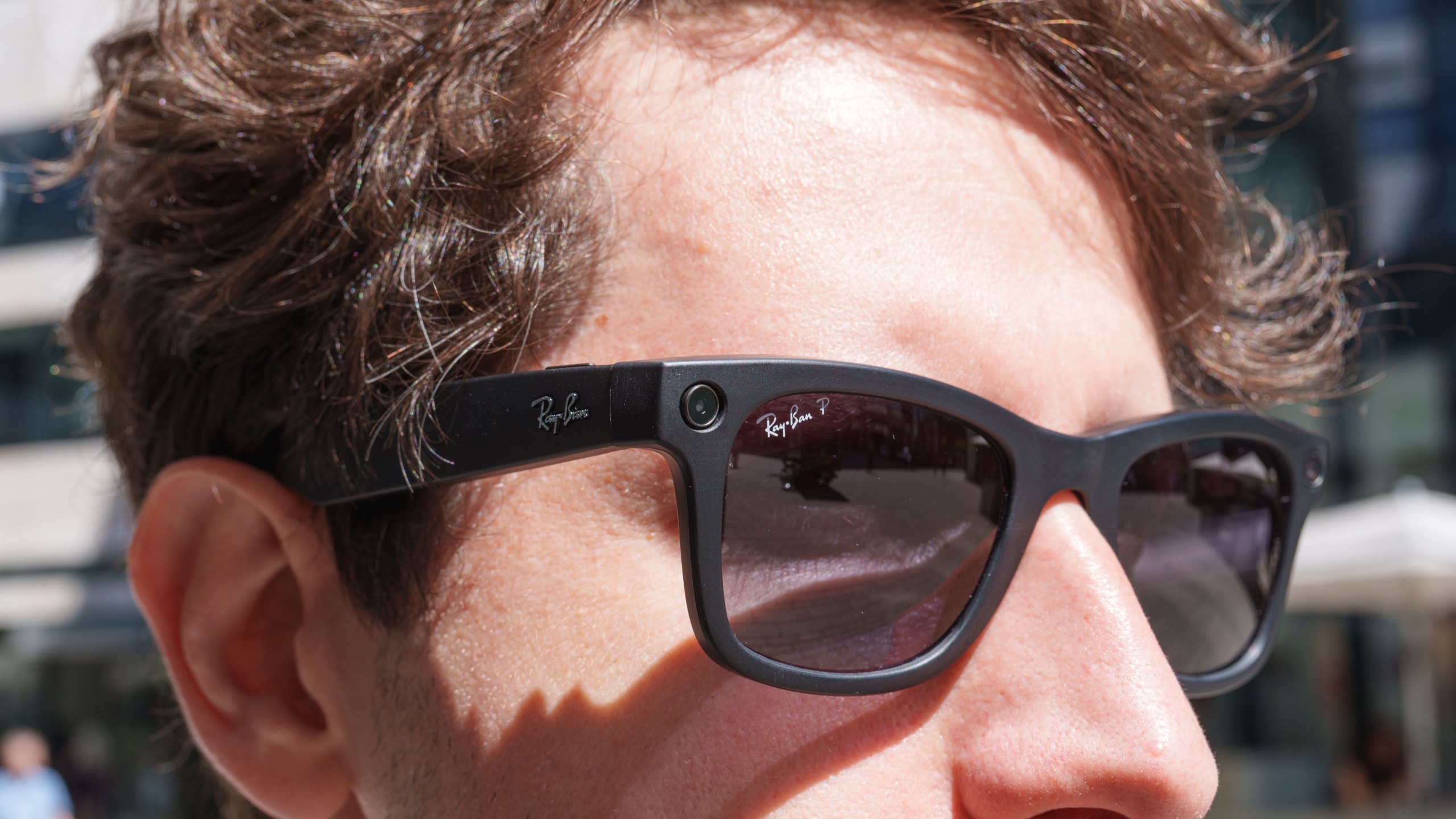
Smart glasses, which often appear to be ordinary accessories, are increasingly becoming a subject of public debate. The United Kingdom has officially expressed its readiness to consider mechanisms to restrict the use and sale of these devices. This decision stems from growing concerns regarding the threats that built-in cameras pose to privacy and public safety.
During a parliamentary debate, UK Security Minister Satvir Kaur emphasised that while the technology has benefits, it is essential to assess its potential for harm. The government is currently working on options that would ban the use of smart glasses in specific spaces and place restrictions on their sale to certain users.
Why Regulations Are Necessary
The primary issue raised by lawmakers is the rise of covert filming. Unfortunately, there is a trend of men using smart glasses to film women and girls without their consent, subsequently distributing this material online. Due to such actions, these glasses have gained a negative reputation and even an unofficial moniker: "pervert glasses."
It is worth noting that a similar practice has already been implemented in Australia, where the use of smart glasses is prohibited in public spaces such as gyms, swimming pools, and government buildings. The British government is expected to rely on this model while simultaneously tightening controls in the healthcare and education sectors.
The Dual Nature of Technology
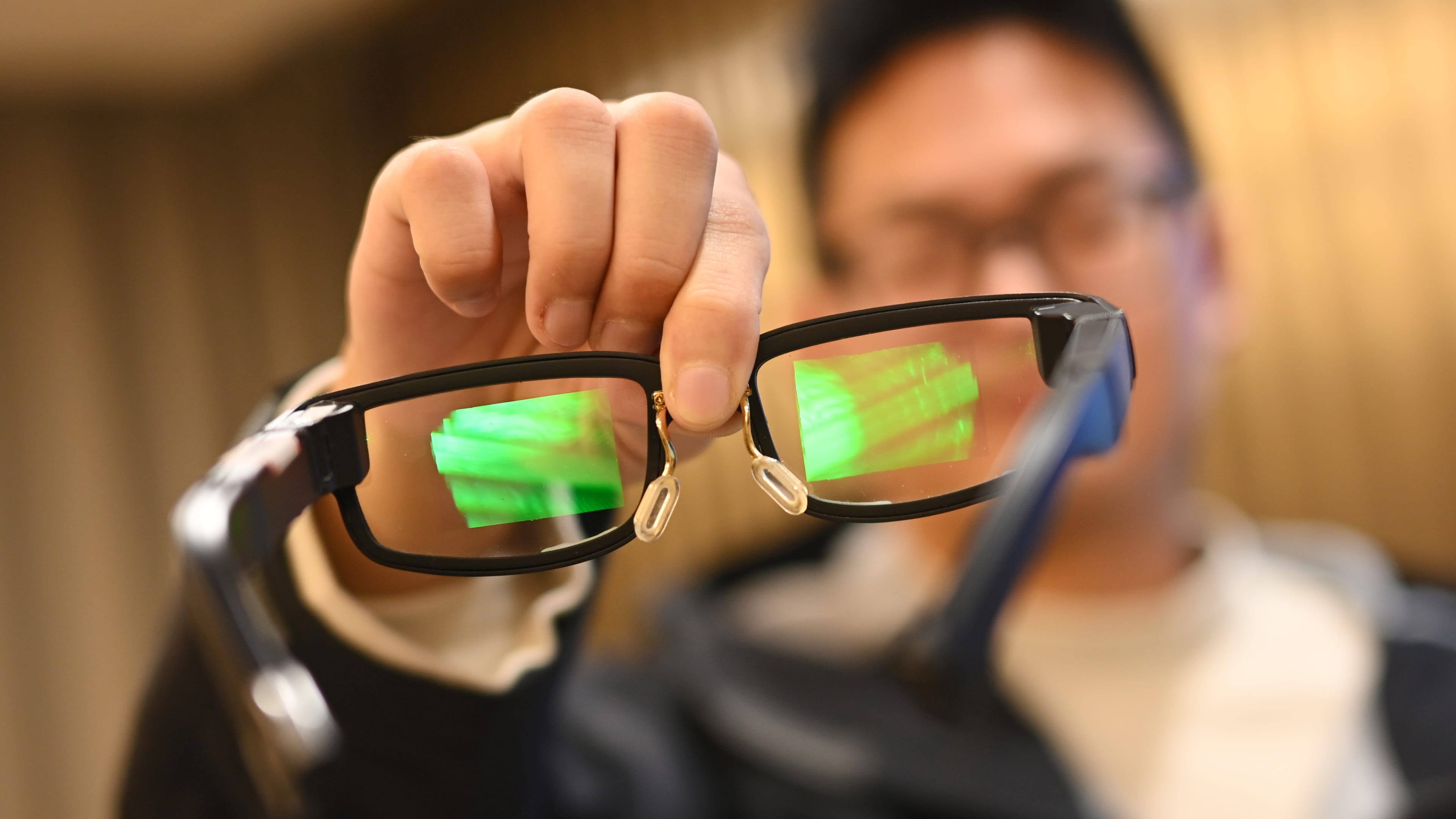
Despite its strict stance, the government acknowledges that smart glasses can be revolutionary for people with disabilities. For individuals with hearing and visual impairments, these devices provide invaluable assistance in navigating their environment. It is likely that any new legislation will include exemptions for those who require this technology for medical reasons.
However, the "black market" presents a significant problem. Online services and products are already available that allow users to cover or completely remove the LED recording indicators on the glasses. This clearly demonstrates that some users are intentionally trying to bypass standard privacy protection mechanisms.
What Does the Future Hold?
In France, investigative procedures are already underway regarding sexual harassment involving smart glasses. It is expected that by 2027, similar legislative restrictions will be adopted in many other countries. Companies such as Meta will need to make significant efforts to prove that their products are safe and do not serve to violate the rights of others.
For users in Georgia, this serves as an important signal that digital ethics and the protection of personal space are becoming increasingly regulated fields alongside technological development. Although such restrictions have not yet been imposed in Georgia, given international practices, exercising caution and adhering to ethical norms when using such technology will be essential.