The Tesla Crisis: Why the Company Is Struggling to Maintain Production
Elon Musk cites a critical labor shortage as the company pivots resources toward its autonomous robotaxi project.
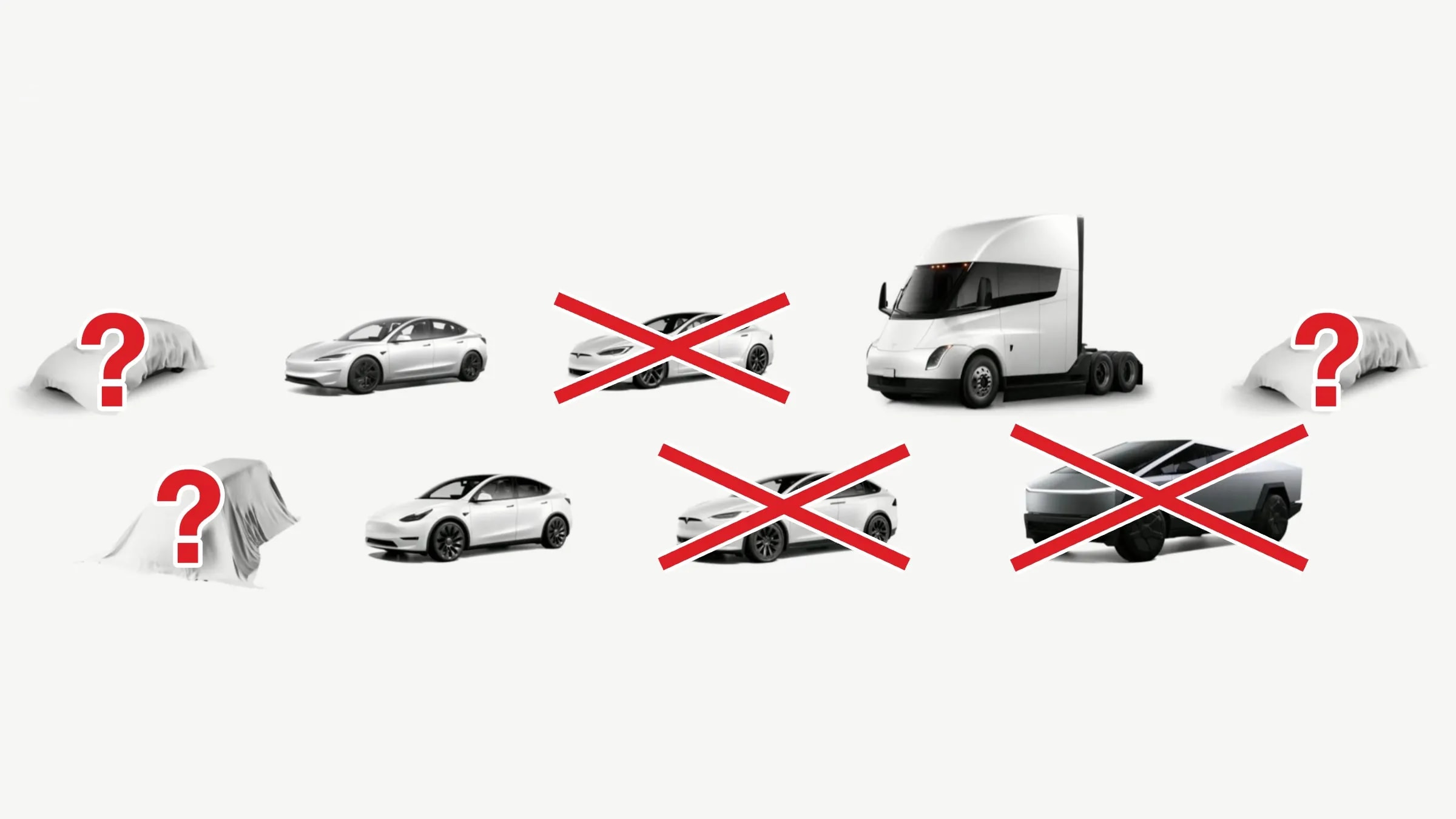
Tesla is undergoing significant shifts in its production strategy. The company plans to reduce Cybertruck output by the middle of next year to clear space for the mass assembly of the Cybercab. While initial reports cited a lack of manufacturing space as the primary reason, Elon Musk later clarified the real issue: the company lacks sufficient qualified personnel to manage two complex projects simultaneously.
Talent Drain and Management Challenges
Musk stated that the supply of "smart and dedicated people" is limited, a comment that highlights the critical situation currently facing the company. At the 2023 Investor Day, Musk proudly introduced his team as the company's "strong foundation." However, of the 14 key managers who stood on stage that day, half have since left Tesla. The departures include leaders responsible for battery development, software, chip design, and energy sectors.
Even more concerning is the exodus of project managers. Last year, Tesla lost the heads of the Cybertruck and Model Y programs, as well as directors directly involved in Robotaxi infrastructure. Consequently, the company is struggling to maintain multiple automotive production lines effectively.
Focus on Autonomous Driving
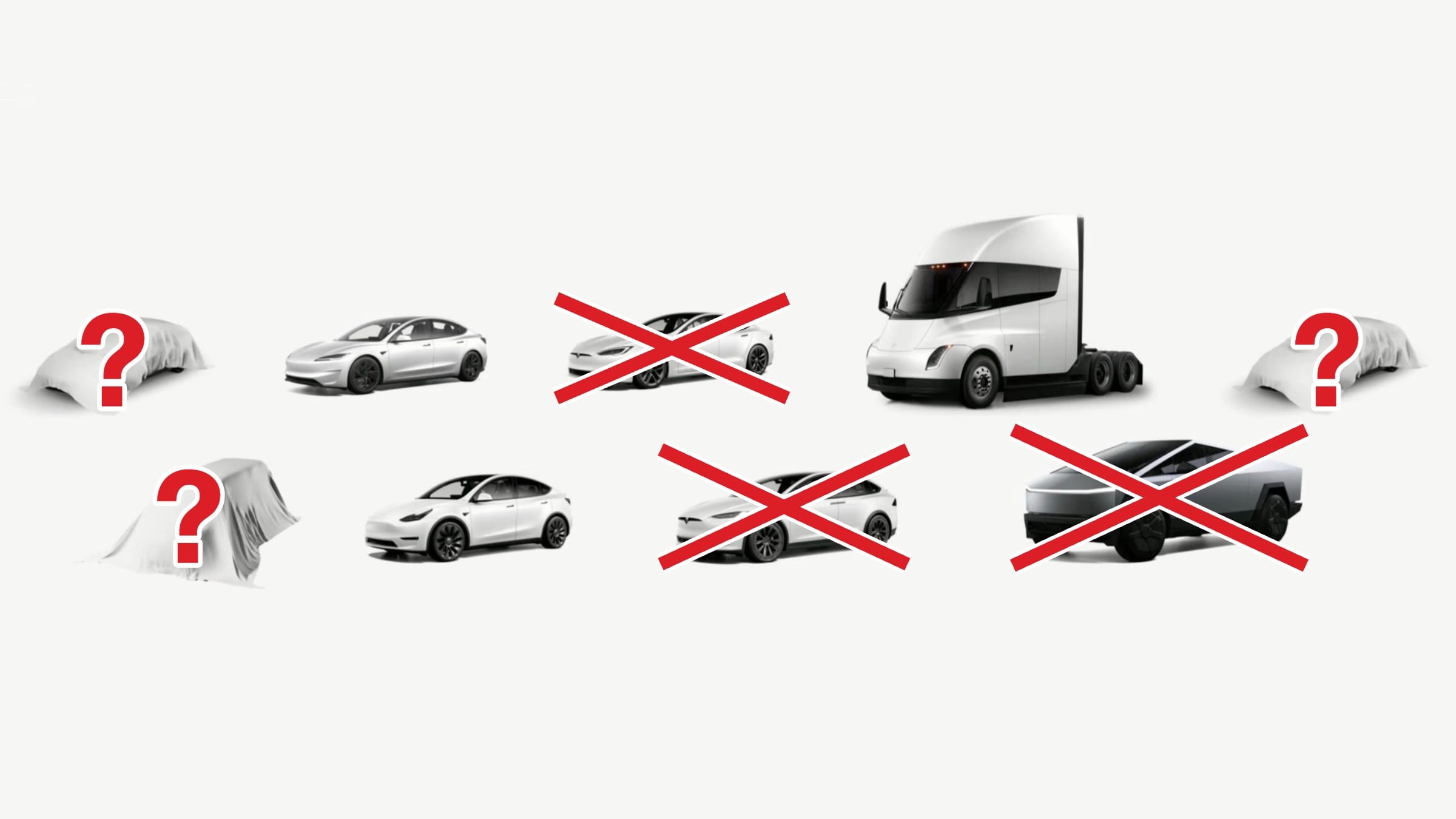
Tesla leadership describes these changes as a matter of "focus," with plans to shift all resources toward autonomous driving technology and the Cybercab. This approach is not entirely new. For years, models like the Model S and Model X remained stagnant as the company pivoted to new priority projects. In January, the official discontinuation of the Model S and Model X was announced, signaling a shrinking product portfolio.
What This Means for Consumers
By 2027, Tesla’s production line will rely primarily on the Model 3 and Model Y. This stands in stark contrast to global manufacturers like Hyundai, Kia, or Toyota, which produce dozens of models in parallel. While Tesla leads in driver-assistance systems (FSD), it has yet to implement fully autonomous driving at scale, where competitors like Waymo currently hold stronger positions.
Ultimately, the challenge facing Tesla is not merely about production capacity or finances, but a deficit of human capital. The question of whether the company can create competitive products with such limited resources remains open. For users in Georgia, who actively drive Tesla vehicles, these changes may signify a reduction in model variety and a total strategic pivot toward robotaxis—a transition that still raises many questions.