The Steam Next Fest Crisis: A Boom in AI-Generated Clones
Mass Cloning and the Role of AI
Ahead of the latest Steam Next Fest, the platform saw over 8,000 game demos appear—a massive increase compared to previous years. However, this abundance hides a troubling trend: game developers are increasingly facing direct copies of their ideas, mechanics, and code. This process has accelerated significantly following the update to Anthropic’s Claude Opus 5.5 model, which has greatly enhanced the capabilities of so-called “vibe coding,” or rapid AI-assisted programming.
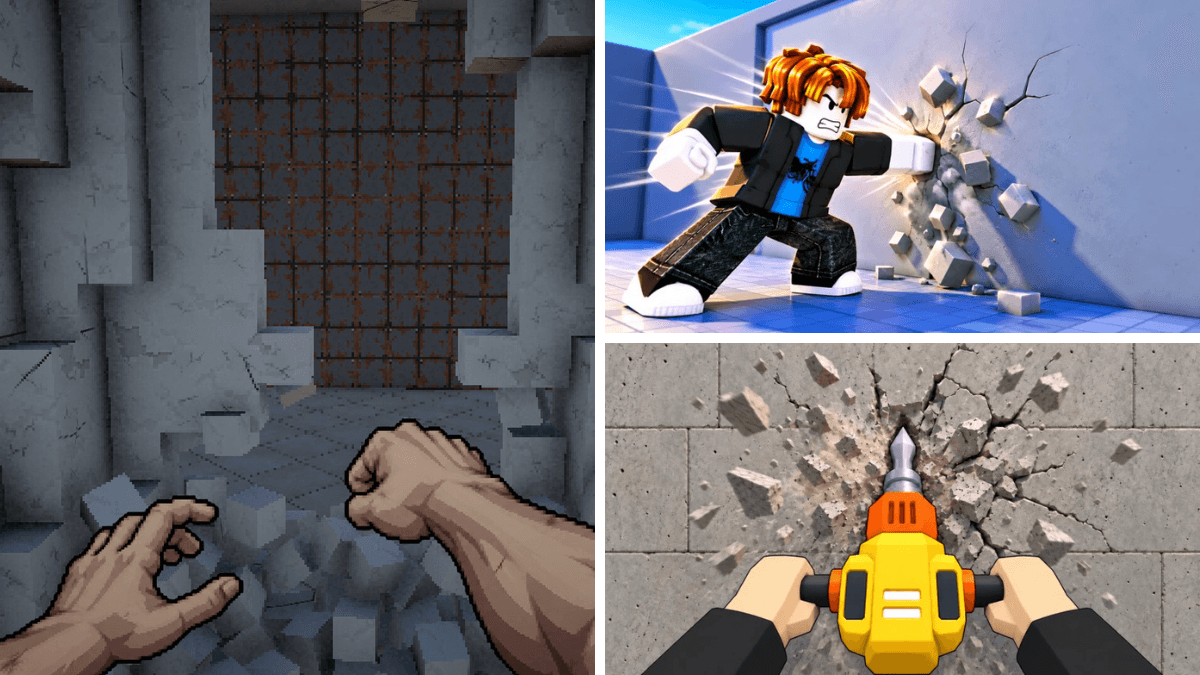
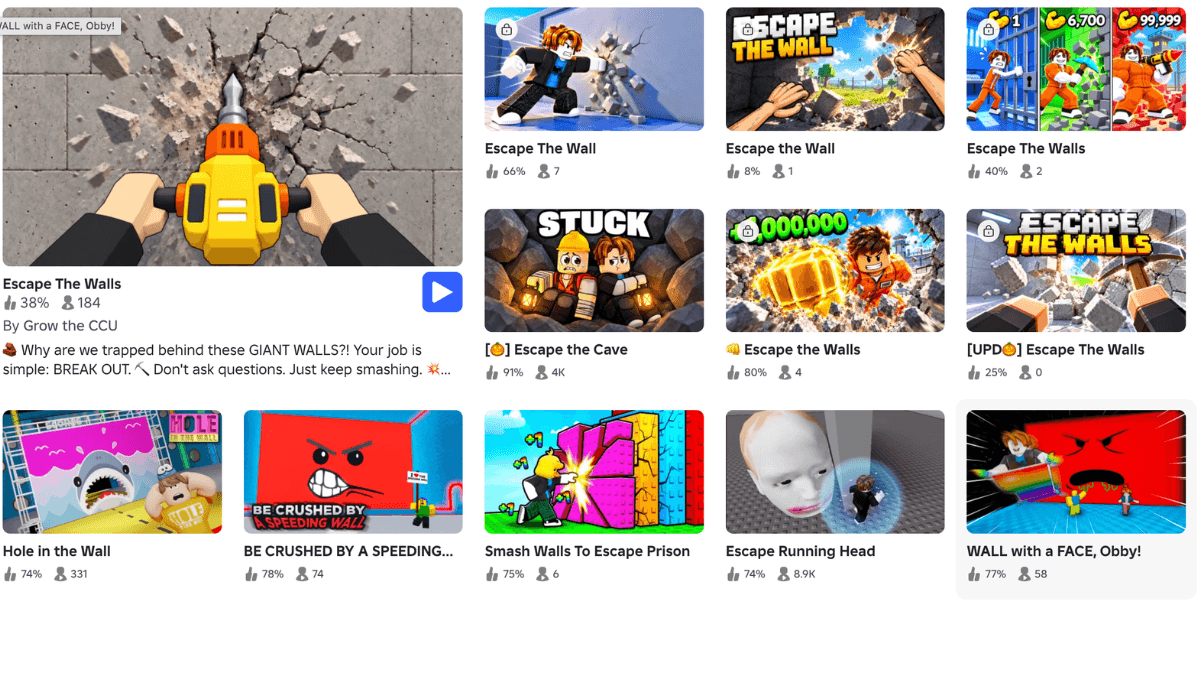
As a result, “creative scavengers” have emerged, copying viral indie projects in a matter of hours. For instance, the concept for the game Escape the Walls was immediately copied by several other studios and uploaded to Roblox, jeopardizing the original creators' revenue and marketing potential. Some developers are so concerned that they are stopping public demo releases altogether, opting to share them only within closed groups under strict conditions.
Direct Code Theft and Copyright Issues
The problem extends beyond mere similarities. Studio NoGlyph publicly accused Little Field Studios of direct code theft. They discovered that the game A Game About Needle In A Haystack contained 13 classes of NoGlyph’s code, featuring identical names and functions. Furthermore, the code even contained error messages from the original project. NoGlyph has already filed an official copyright infringement complaint with Valve.
Critics argue that AI, which was supposed to “democratize” game development, is actually just enabling untalented imitators to quickly churn out low-quality products. Real game developers, who spend years honing their craft, are now forced to compete with mass-produced “slop” created by bots, making PC gaming an increasingly difficult and unstable environment.
What is Happening on Steam?
Despite this chaos, Steam’s weekly charts continue to be dominated by stable hits. Last week, Dota 2 took the top spot in revenue, while Star Wars: Galactic Racer secured fourth place. Interestingly, Steam Deck sales have risen again, likely due to replenished stock. Even though the market is saturated, players are still seeking original projects like Last Round at the End of the World or Tenebris Somnia, which highlight the creativity of the indie scene.
For players in Georgia, this situation serves as a warning: it is becoming increasingly difficult to distinguish between authentic games and AI-assembled clones. In the future, Valve will likely need to implement stricter filters to prevent the platform from becoming a landfill for low-quality content.