The Secret Behind Hitman’s Elusive Targets: How IO Interactive Works
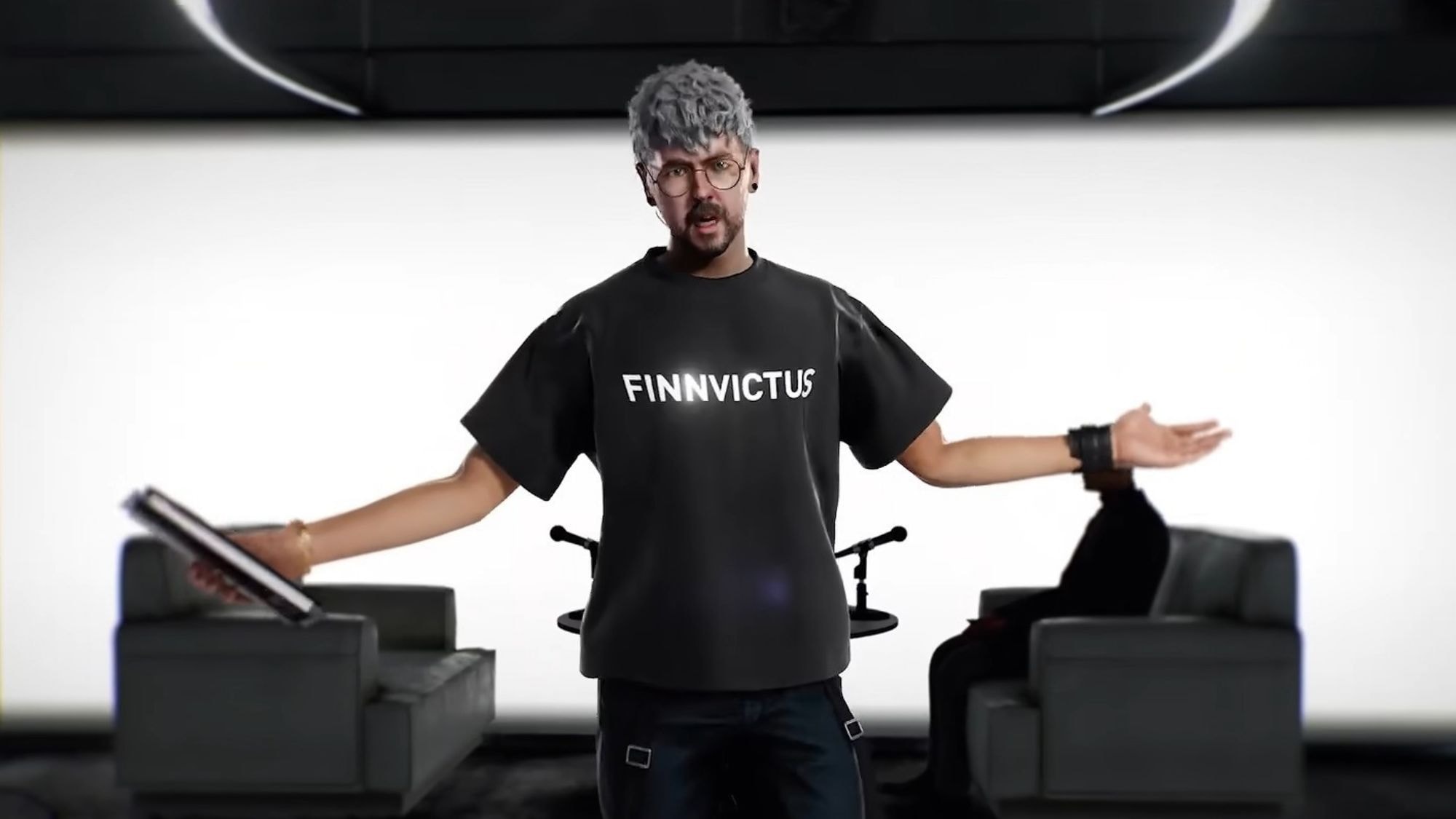
For players of Hitman World of Assassination, Elusive Targets have always represented a unique challenge. However, few realise the immense effort required to translate real-world appearances into the game. According to IO Interactive, the studio avoids modern technologies like 3D scanning or automated motion capture. Instead, every character is the result of individual craftsmanship.
Without AI or Scanning
Lead Designer Marin Ansdal emphasises that the decision to forgo scanning is a matter of principle. She explains that even a technically accurate 3D model may not resemble a real person without artistic vision. "Often, to achieve a realistic likeness, you need to know when to add caricatured elements. It is a balance that only a real artist can strike, not an automated scanning system," Ansdal states. The process begins with a hand-drawn conceptual sketch, after which artists move on to modelling and texture refinement.
Details That Create Resemblance
Junior Concept Artist Lovisa Österman notes that before design begins, she spends hours studying photos and videos of the target individual. "You can have a perfectly constructed 3D mesh, but the character might still look foreign. The main secret lies in the textures—skin imperfections, freckles, and individual marks are what make our eyes recognise a familiar face," says Österman. Hand-crafting these specific details provides the unique aesthetic that defines the Hitman series.
Beyond the Creative Process
When it comes to integrating celebrities, such as characters resembling JackSepticEye, the design and writing teams work in close collaboration. Each mission is planned so that not only is the visual likeness maximised, but the character's behaviour also aligns with their real-world persona. While scanning and automation are common practices in the modern gaming industry, this approach by IO Interactive confirms that "hand-made" work still holds a special place.
For players in Georgia who actively follow the world of Hitman, this information highlights the labour behind Agent 47’s adventures. It serves as an example of how a balance between traditional art and digital technology can make a game feel significantly more alive and convincing.