The Return of Smart Displays: Apple and Amazon’s New Vision
The new HomeView and Echo Show 16 aim to turn smart screens into the digital heart of the home.

A Technical Revolution for the Home
Years ago, many tech reviewers considered the smart display category effectively dead. Early attempts by Google and Amazon to merge a smart speaker with a touchscreen were often clunky and underpowered. However, the latest products from Apple and Amazon—the Apple HomeView and the Amazon Echo Show 16—are breathing new life into the category, transforming it into a true digital assistant for the family.
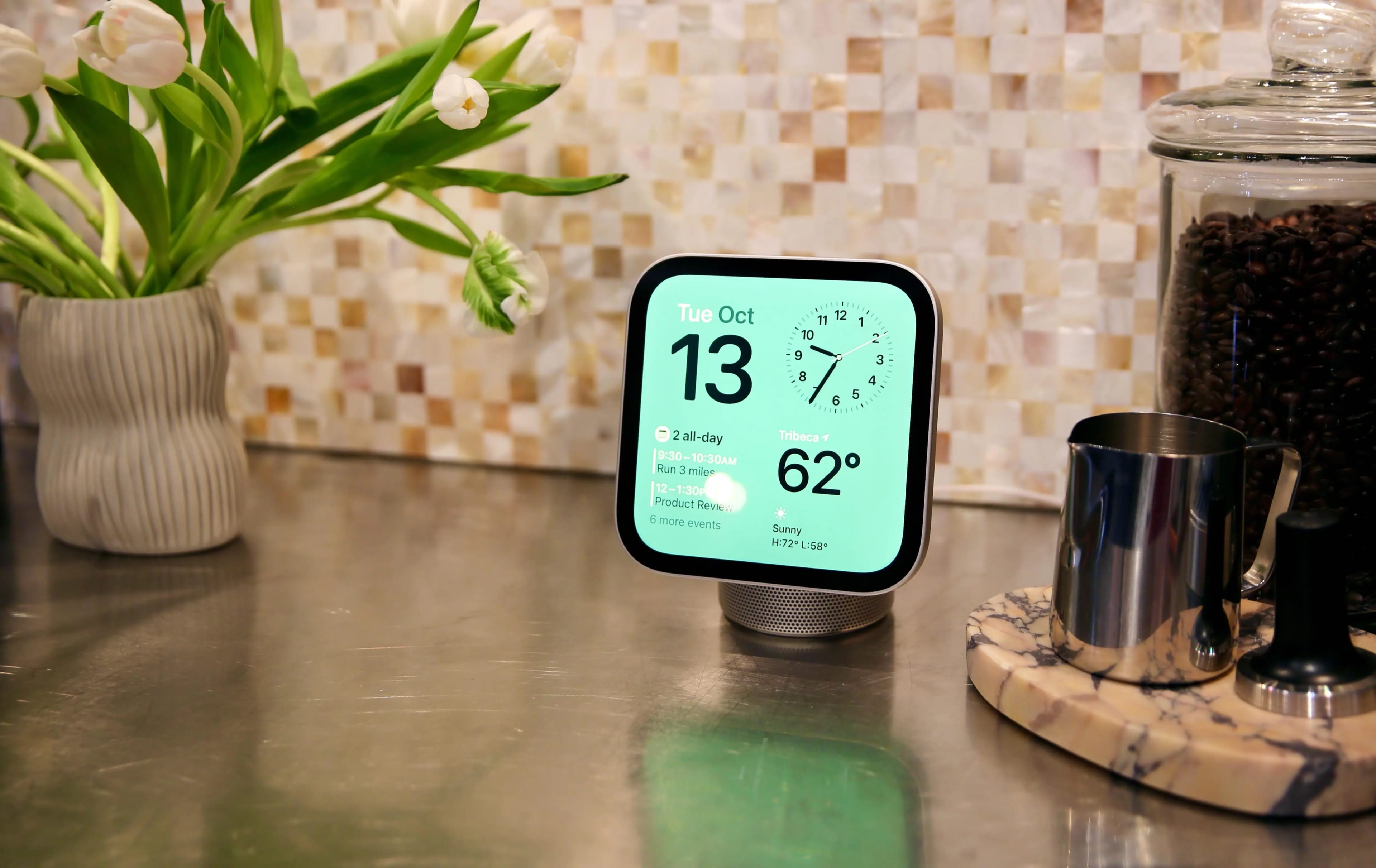
The defining feature of these devices is their computer-grade technical specifications. Apple has utilized an A18 chip, similar to those found in the MacBook Neo, and a Liquid Retina display for its $299 HomeView. Meanwhile, Amazon has equipped the $499.99 Echo Show 16 with a powerful MediaTek processor and a high-quality Nanomatte screen. This shift means these devices are no longer just stands for voice assistants, but powerful hubs capable of handling complex tasks with ease.
Although the price has increased significantly compared to previous generations, these devices offer users something they previously lacked: a stable, always-on, and accessible interface. This is not a tablet that might get lost or run out of battery; it is a wall-mounted or desk-standing "family computer" that integrates calendars, video doorbells, lighting control, and other daily tasks.
Different Philosophies: Personal or Family-Oriented?
Interestingly, the two tech giants approach the challenge from different angles. Apple’s approach is personalized: the HomeView focuses on the individual user. Through Siri AI, the device can recognize specific people, analyze their messages, and adapt to their needs—for instance, preparing coffee before a guest arrives if that information is noted in the user’s calendar.
Amazon’s Echo Show 16 is entirely family-focused. Its Omnisense technology monitors the home space, detecting the presence of people, temperature, and acoustics. This device does not require a constant connection to a smartphone and functions as a central control panel for the home, consolidating meal plans, color-coded calendars, and the Fire TV entertainment system.
What Does This Mean for the User?
The popularity of smart home systems is growing, and the arrival of such devices on the market means that home management is becoming more intuitive. The main challenges remain ecosystem incompatibility and price; however, this move by Apple and Amazon confirms that the smart home concept is entering a mature stage.
If the smart display was once merely a "toy," it is now becoming an essential part of managing a family’s daily routine. In the future, the success of such devices will depend on how easily they can integrate various brands of household appliances into a single, seamless network.