The New Space Era: How to Enter the Industry and What’s New
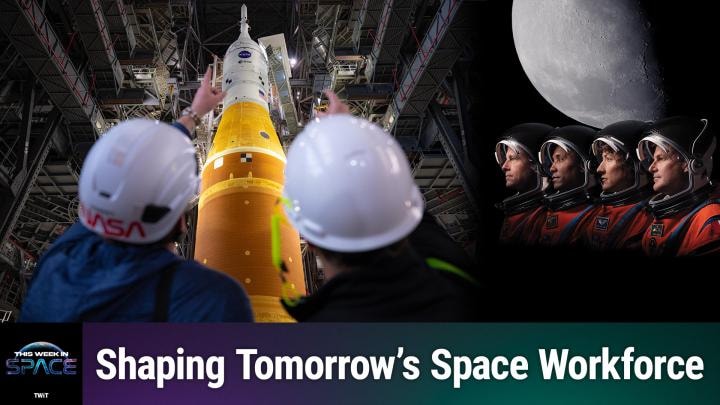
The Space Sector Faces a Talent Shortage
The space industry is developing at a historically high pace today. Plans for lunar exploration, increased commercial activity in low Earth orbit, and a surge in private companies have created an environment where the demand for qualified personnel is critically high. Experts believe that for the younger generation looking to build a career in science, technology, engineering, and mathematics (STEM) related to space, there has never been a better time.
Representatives from the Universities Space Research Association and the Air Force Research Laboratory (AFRL) are actively working on educational programs to pave the way for students into the space job market. Programs such as the AFRL internship aim to prepare the next generation for challenges like lunar missions and satellite network management.
Technological Challenges and Geopolitics
The space race is not limited to the Moon. The example of Ukraine clearly demonstrates the importance of having one's own satellite communication network. Following disruptions in Starshield services, Ukraine is working to build its own network in collaboration with ICEYE and Nokia. This is a clear signal that space infrastructure is becoming an integral part of national security.
At the same time, NASA continues to accelerate its Artemis program. This ambitious plan for the Moon requires not only rockets but thousands of engineers and researchers behind these projects. The private sector, including SpaceX, is playing an increasingly significant role in these processes, making the space market even more dynamic.
Hobbies and Space Culture
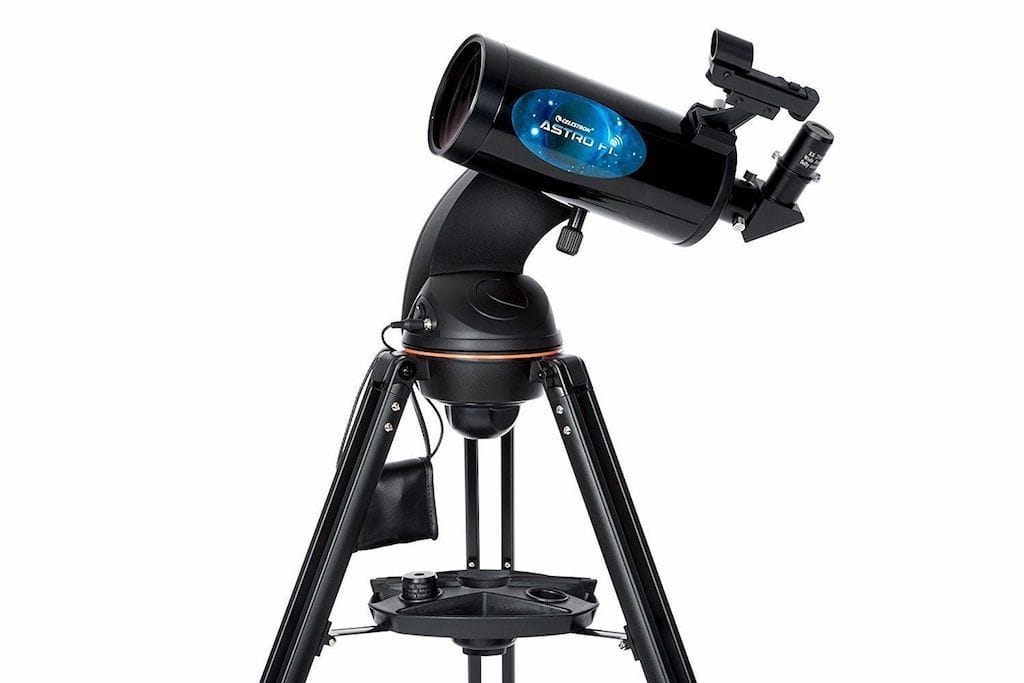
If you are passionate about space but are not yet ready to engage at a professional level, interesting devices have appeared on the market. For example, the Celestron Astro Fi 102 is considered one of the best telescopes for beginners, allowing you to observe planets and comets from your own balcony.
Additionally, the company Estes has released a detailed, launch-ready model of the famous SpaceX Falcon 9 rocket. The $150 toy not only looks like the real rocket but also allows enthusiasts to experience the launch process themselves. Such projects are important for fostering technical interest among young people.
What Does This Mean for Us?
For Georgia, which is actively trying to develop its technology sector, the growth of the space industry presents an additional opportunity. Although our country is not yet a direct participant in the global space race, the development of STEM education and participation in international programs offers young Georgian specialists a chance to establish themselves in the global space technology market. The coming years will show how well Georgia can ride this wave.