The New MacBook Pro: Is the Touchscreen Worth the Extra Cost?
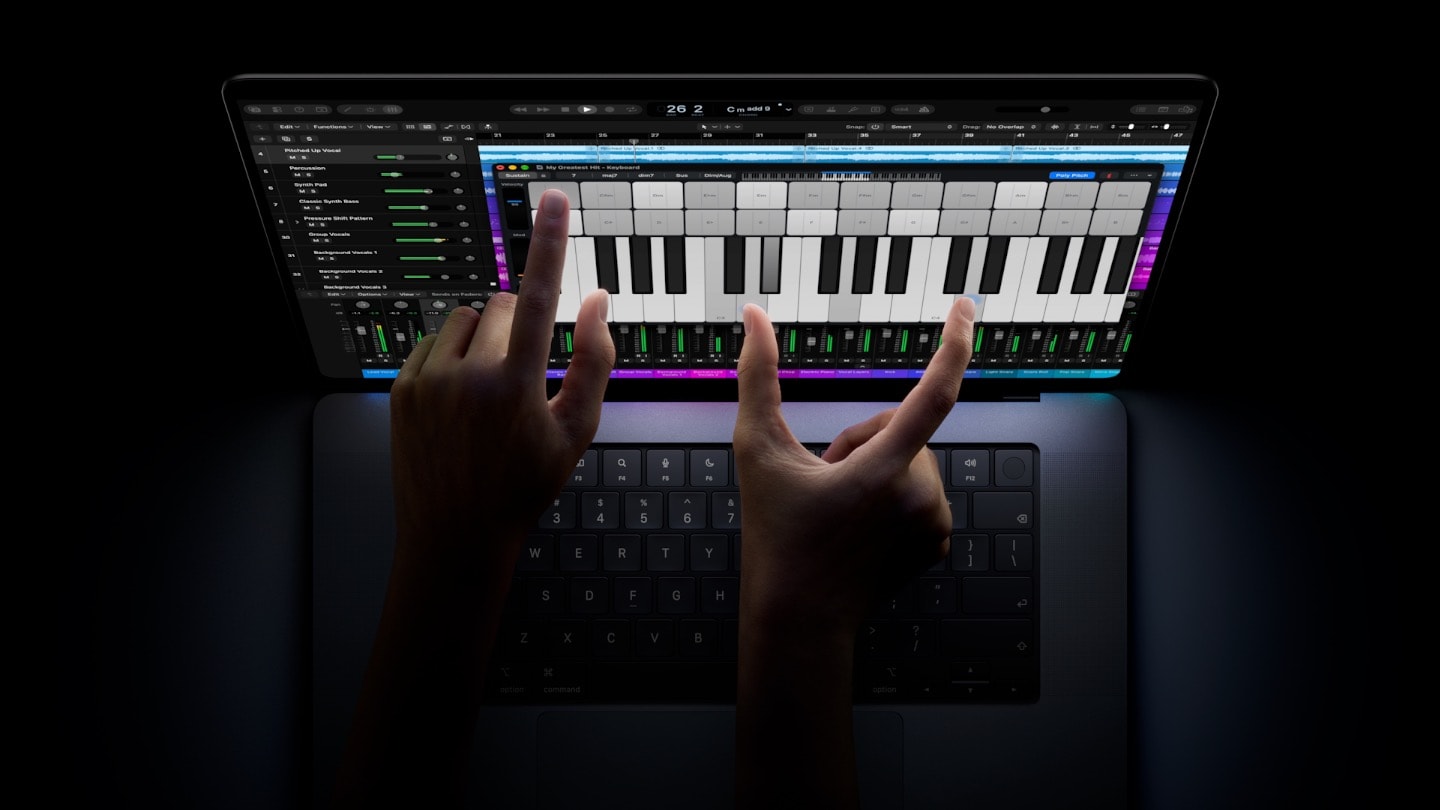
The new 14-inch and 16-inch MacBook Pro models, featuring PROLED XDR displays, have become the focus of the tech world. While the devices officially launch this Friday, early testers have already put them to the test. The primary innovation dividing user opinion is the introduction of a touchscreen interface.
Touchscreen: A Revolution or an Unnecessary Detail?
According to initial reviews, the touchscreen does not fundamentally change how one interacts with the laptop, though it proves useful in specific scenarios. For instance, zooming while editing photos or controlling video playback via touch is far more intuitive than searching for a cursor. It is particularly convenient when using iPhone Mirroring, where the touch interface truly justifies itself.
Nevertheless, many experts note that in daily workflows, the touchscreen is often forgotten. The macOS interface remains fully optimized for the trackpad, making finger-based manipulation feel unnatural at times. Notably, the device lacks support for the Apple Pencil, which comes as a disappointment for professional designers.
Display and Design: The Brilliance of PROLED XDR
While the touch functionality is debated, the PROLED XDR panel has garnered unanimous praise. The tandem OLED technology provides exceptional contrast, deep blacks, and brightness of up to 2,000 nits in HDR mode. This represents a significant leap over the previous Mini-LED technology.
Another visual change is the Dynamic Island, which has replaced the notch at the top of the screen. It now serves as a functional space for Siri, notifications, and media controls. The design also sees the return of the iconic glowing Apple logo, which now synchronises its brightness with ambient light and screen settings.
Sound and Portability
Apple has also updated the audio system, which now offers 50% deeper bass. However, some testers suggest this change is not always positive; when listening to music and podcasts, the bass can be so dominant that it disrupts the overall sound balance. On a positive note, the weight has improved: the 16-inch model is lighter and more compact, making it more portable than the "tank-like" laptops of the previous generation.
The new MacBook Pro is powered by M5 Pro and M5 Max chips, ensuring top-tier performance. In the U.S., prices start at $2,899 for the 14-inch model and $3,399 for the 16-inch version. For users in Georgia, these models will become available in the future as premium-class professional tools.