The NES Console as a PC: An Unusual Retro Experiment
An enthusiast has transformed the legendary 8-bit console into a computer featuring a Windows-like interface and internet connectivity.
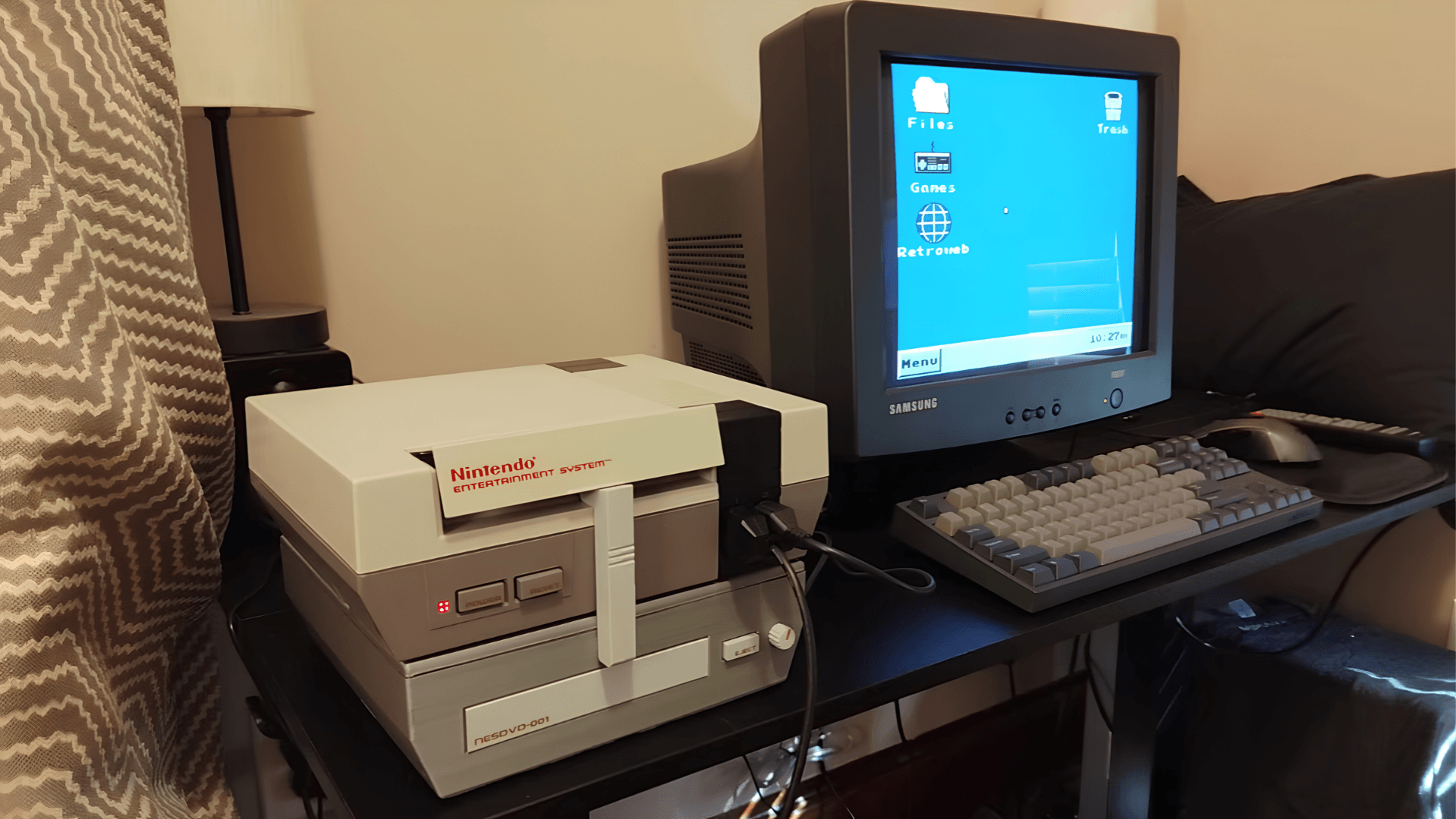
A retro gaming enthusiast known on YouTube as Throaty Mumbo has achieved the seemingly impossible: transforming the iconic 1980s Nintendo Entertainment System (NES) into a fully functional desktop computer. The project, dubbed NESPC, integrates the console's original hardware with modern technological solutions.
How the system works
The original 6502 processor inside the NES is not designed to run modern operating systems or x86 architecture. To overcome this, the creator utilized an EverDrive N8 Pro cartridge, which is equipped with a powerful FPGA (Field Programmable Gate Array) chip. This component allows the console to handle complex computational tasks, effectively functioning like a graphics card that offloads work from the central processor.
The system core is based on Next186, an open-source FPGA processor that executes Intel 80186 instructions. As a result, the console can run a Windows 98-style user interface, which includes a built-in version of the classic game Minesweeper. The interface also serves as a hub for file management and launching games.
Peripherals and connectivity
Initially, controlling the console with a classic gamepad proved cumbersome, so the creator used an RP2350 microcontroller to build a USB interface. This allows for the connection of a standard keyboard and mouse. Interestingly, the system is even compatible with MIDI devices, enabling users to connect a USB piano and compose music.
The project also incorporates a previously developed 3D-printed NESCD disc reader and an ESP32 module for Wi-Fi connectivity. While internet speeds are limited, the system can exchange data via a laptop acting as a proxy server, allowing the 8-bit console to load simplified versions of websites.
Why it matters
This experiment proves once again that old hardware with limited resources can be given a new lease on life through modern engineering. Throaty Mumbo has made the entire project, including firmware and hardware schematics, publicly available on GitHub.
While the NESPC is not a practical replacement for a daily-use computer, such projects serve as excellent examples of preserving technological history while pushing the boundaries of what is possible. For retro-gaming enthusiasts interested in FPGA modifications, this project offers significant inspiration.