The Moon Is Shrinking: Scientists Discover Over 10,000 Faults
Cooling of the lunar interior is causing widespread surface changes.
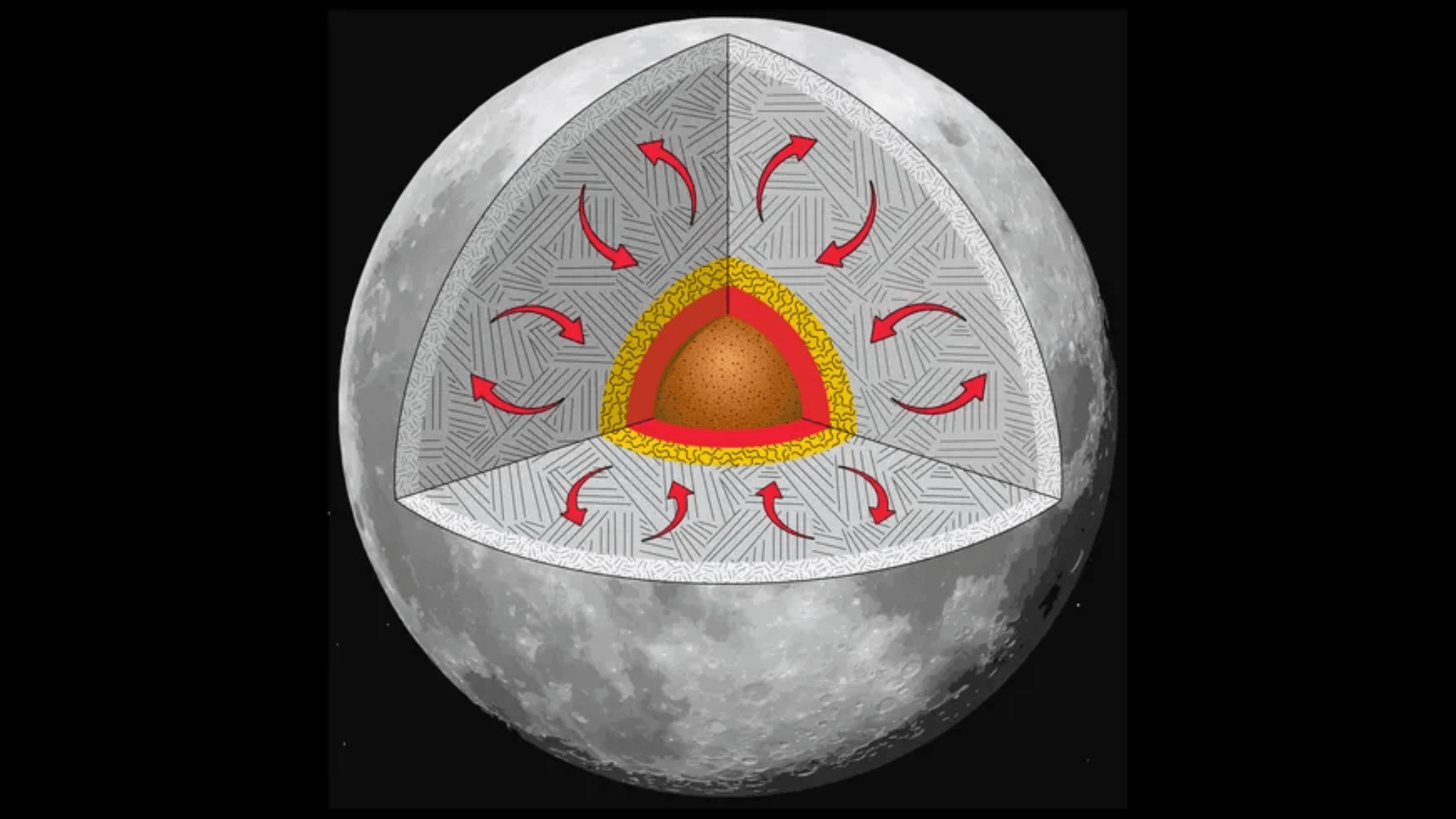
The Process of Lunar Contraction
New data from space exploration has revealed fascinating details about the Moon's geological history. Scientists have long theorized that Earth's natural satellite, which formed following a colossal collision during the early stages of our planet's development, is losing its internal heat. This cooling process causes the Moon to gradually contract, leaving visible marks on its surface.
Based on the latest imagery from the Lunar Reconnaissance Orbiter (LROC) camera, researchers have identified more than 10,000 new cracks and geological defects on the lunar surface. These findings allow scientists to more accurately gauge the scale of the Moon's size reduction. It is estimated that the Moon's radius has shrunk by approximately 45 metres over the past 400 to 800 million years.
Tectonic Characteristics
Lunar geology differs radically from that of Earth. While our planet’s tectonic activity is driven by the movement of several large plates, the Moon is a so-called 'single-plate' body. Lacking tectonic plates, its crust is unified, causing cracks to be scattered across the entire surface.
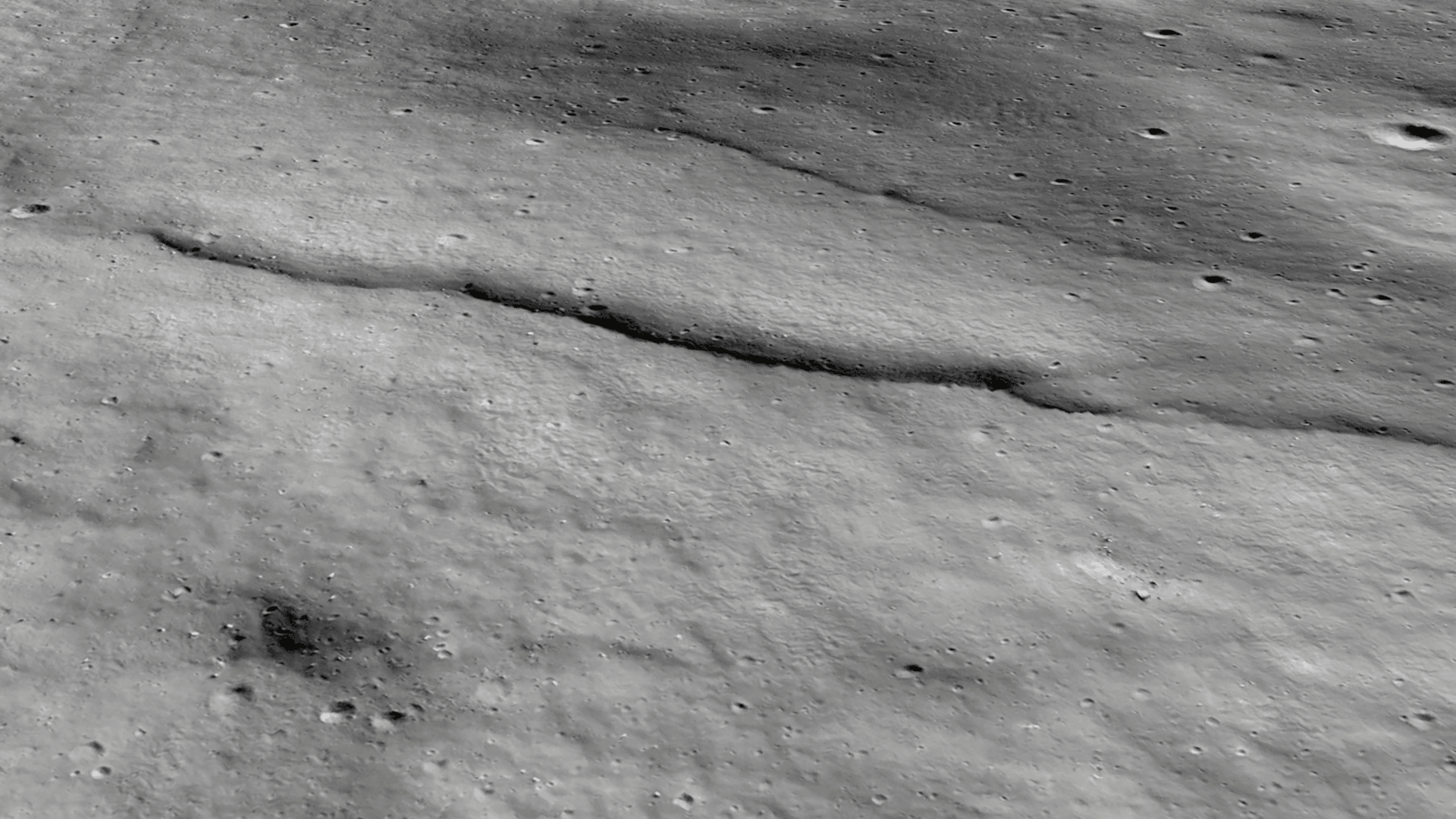
Among the discovered structures are 'lobate scarps'—long, curvilinear forms that emerge as the Moon contracts and its crust is pushed upward. Additionally, small ridges resembling 'wrinkles' have been observed on the lunar dark plains. Thomas Watters, a scientist at the Smithsonian National Air and Space Museum, noted that the number of identified cracks is significantly higher than previously imagined and that this process remains active today.
The Impact on the Lunar Crust
Researchers have created a global map of the Moon detailing thousands of these fissures. The study reveals that the distribution of these cracks is uneven. In regions where the lunar crust is thicker, faults are relatively rare. This suggests that the thicker crust acted as an insulator, retaining internal heat during the early stages and preventing rapid contraction and fracturing.
This discovery marks a significant step in understanding lunar evolution. Although these processes span millions of years, they demonstrate that our satellite remains a 'living' and dynamic geological body. The findings, published in the Planetary Science Journal, will also be beneficial for future missions, as understanding the stability of the lunar surface is critical for planning future space bases.