The Long-Term Impact of the Deepwater Horizon Disaster on the Ocean
New research indicates that the Gulf of Mexico's deep-sea ecosystem is showing no signs of recovery following the 2011 oil spill.
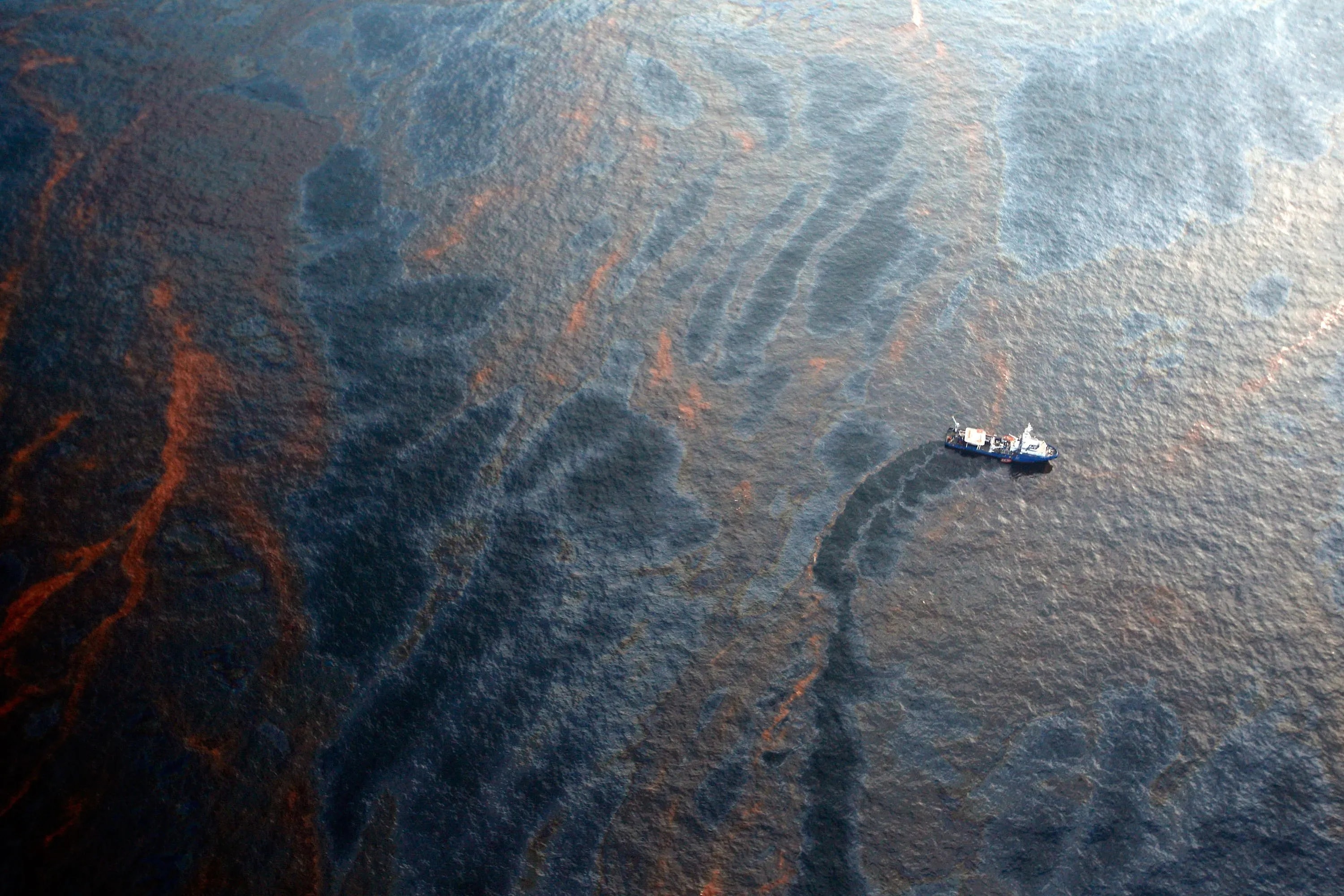
The explosion of the Deepwater Horizon oil rig in April 2010 remains one of the most significant ecological disasters in human history. New scientific research covering the period from 2011 to 2023 confirms that the damage is far deeper and more enduring than previously imagined. A team of scientists has determined that biodiversity in the deep-sea zones of the Gulf of Mexico has declined to critical levels.
Ecosystem Collapse and Genetic Crisis
The findings, published in the Proceedings of the National Academy of Sciences, are alarming: populations of deep-sea species, including octopus, krill, squid, and shrimp, have plummeted by 60 to 85 percent. This unprecedented figure makes this region one of the most rapidly and severely degraded ecosystems on the planet. Scientists fear that such a drastic decline has triggered a "genetic bottleneck," making the recovery of these species nearly impossible.
Researchers ruled out factors such as changes in water temperature or oxygen levels, concluding that the only logical cause for the collapse is the Deepwater Horizon accident. Beyond the destruction of marine life, this process may impair the ocean's ability to absorb carbon dioxide from the atmosphere and sequester it in the depths, serving as a warning sign in the context of climate change.
Why Recovery Remains Elusive
Experts note that deep-sea zones, located kilometres below the surface, are often perceived as immune to human activity. However, in this instance, residues of oil and chemical dispersants created an environment where biological resilience has effectively vanished. Tracey Sutton, the study’s lead author, noted that large predators, such as sperm whales, have disappeared from the region and have not been sighted for a decade.
Scientists emphasise that this research is vital for planning future industrial projects. For instance, planned deep-sea mining operations could cause damage equal to or worse than the oil spill, as the release of heavy metals and lubricants into the water would permanently disrupt the ecological balance.
What This Means for Us
Although these events occurred across the Atlantic, the study offers a global lesson. It demonstrates how vulnerable the world's oceans are to man-made disasters and how difficult it is for natural resources to recover. For countries like Georgia, which depend on the ecological stability of the Black Sea, such research serves as a reminder that environmental impact assessments must be a top priority when implementing marine industrial projects. Nature takes decades to recover, and often, the damage is irreversible.