The Long Road of The Outlast Trials: Why Development Took Six Years
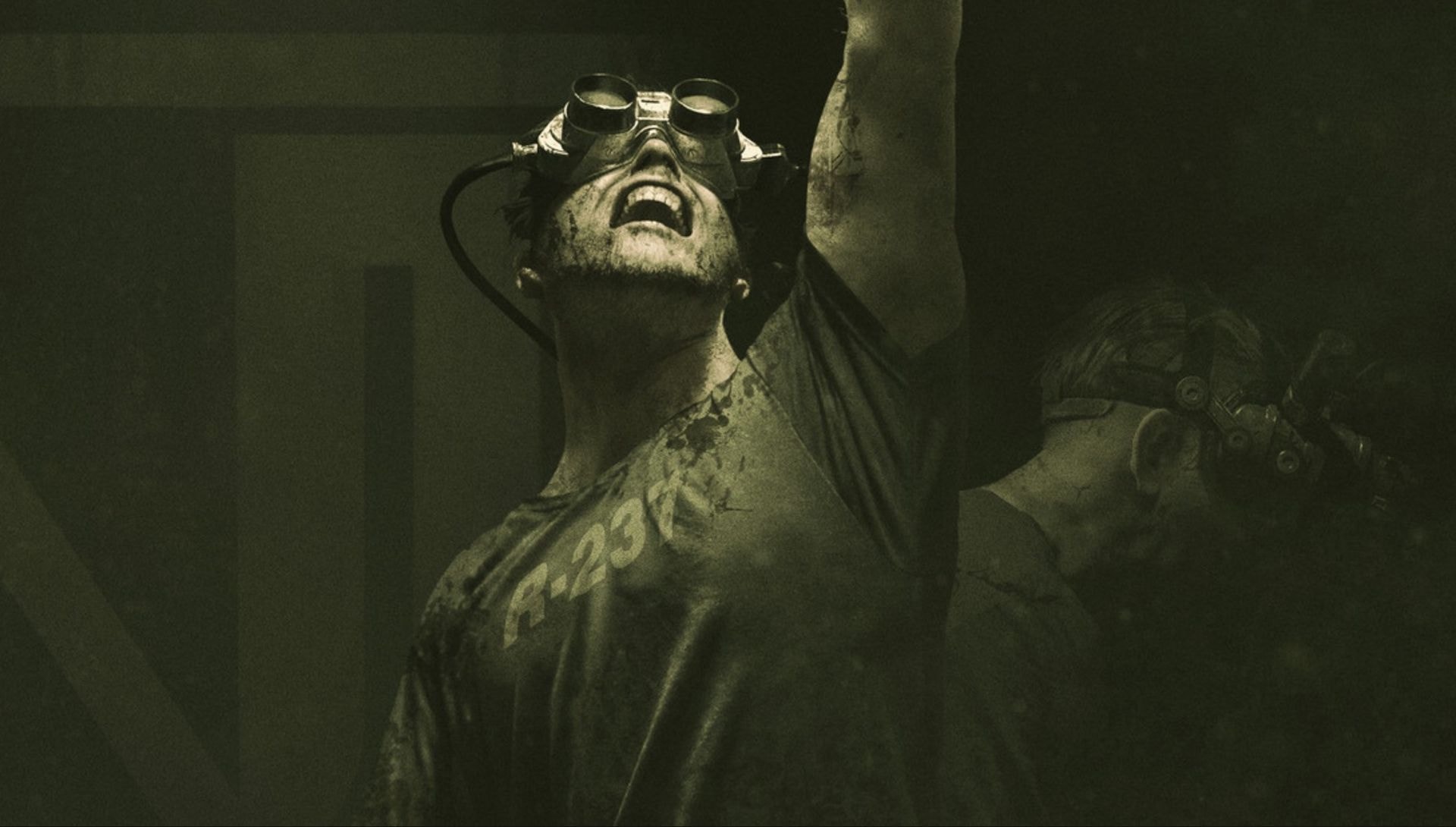
The process of game development often remains hidden from players, leading many to assume that successful projects are created smoothly and without friction. However, the hit horror title The Outlast Trials proves otherwise. The development studio, Red Barrels, spent six full years working on the project—a process co-founder Philippe Morin describes as exhausting and arduous.
Mistakes and Starting Over
Initially, the team aimed to create a cooperative Outlast experience that offered infinite replayability. However, as Morin recalls, the team over-engineered the systemic and randomized elements. After four years of development, when the game appeared ready for release, initial playtesters gave the project negative feedback. Consequently, the developers were forced to return to the drawing board and rethink the game's core concept.
Morin stated that they decided to abandon overly complex systems and focus instead on the atmosphere that makes the Outlast series so distinct. This difficult journey, which involved numerous prototypes, ultimately paid off; today, the game is considered one of the most popular cooperative horror titles on the market.
Current Reality and Future Plans
Today, The Outlast Trials is a successful live-service game with thousands of dedicated players. However, the development process remains far from effortless. There is ongoing debate among players regarding the use of AI-generated imagery within the game. Furthermore, current reports indicate that the studio has temporarily shelved the idea of creating Outlast 3, as all resources are currently directed toward supporting Trials.
For horror fans in Georgia and beyond, this story confirms that even for the most renowned studios, game development is a constant process of experimentation and learning from mistakes. Despite the challenges, the project has successfully carved out its own niche and remains a relevant force in the gaming industry.