The Key Advantage of Starlink Over Traditional Internet
A Global Network in the Sky
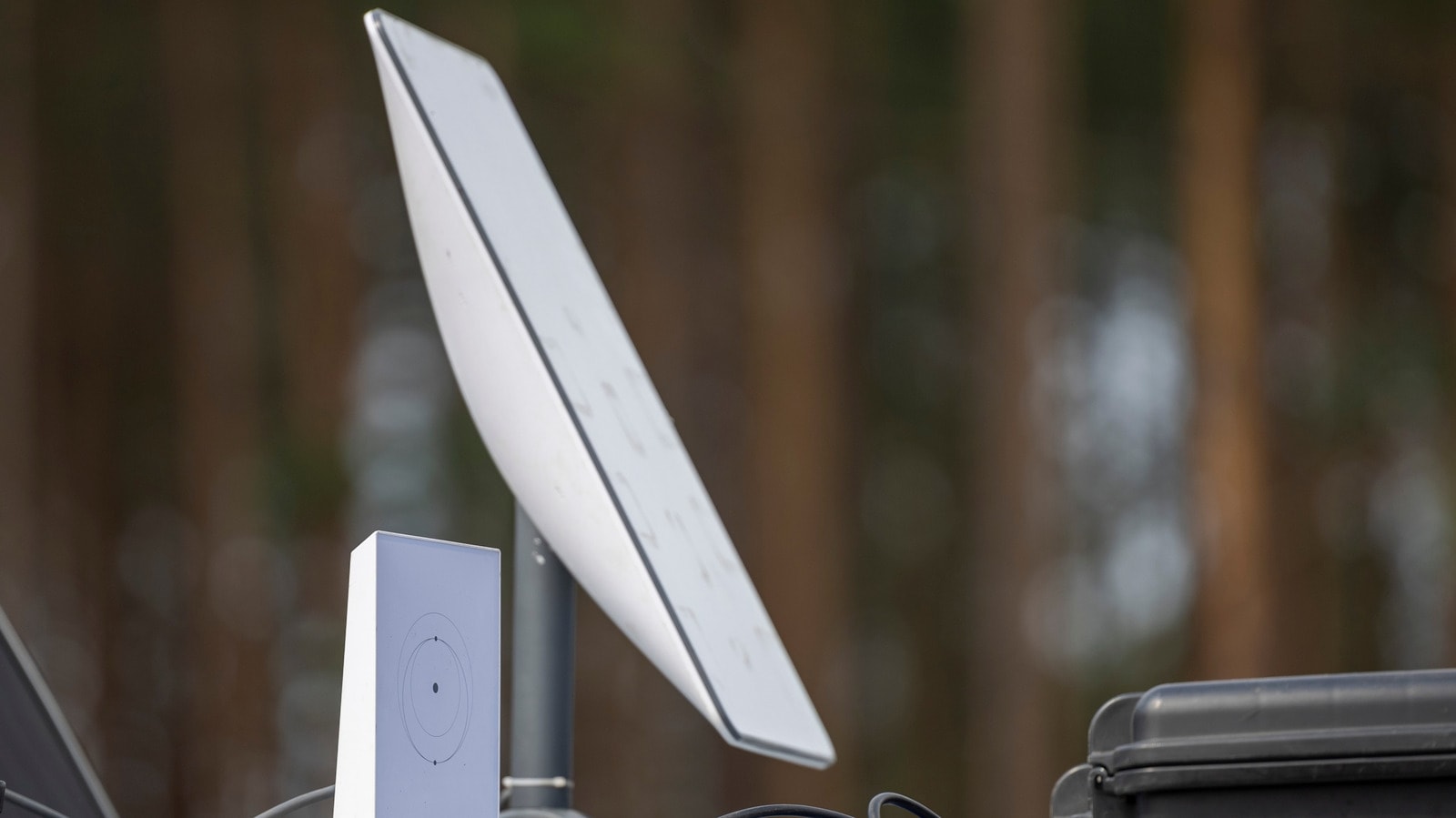
Starlink services are often associated with travel or providing connectivity in isolated locations, yet the company’s service holds much greater potential. Even in developed nations where cable internet is almost universally available, many users are choosing satellite connections. The reason lies not just in flexibility, but in the exceptional resilience of the network.
Starlink’s network is built on thousands of small satellites located in Low Earth Orbit (LEO). As of October 2026, there are more than 11,000 active units orbiting at altitudes between 330 and 500 kilometres. SpaceX’s strategy focuses on constant updates and network expansion, providing users with consistent stability.
Why Is Starlink More Reliable?
With traditional internet, a single damaged cable or a server outage is enough to leave users without a connection for hours. Starlink’s architecture is radically different. If one satellite fails, another unit in the cluster instantly replaces it. This creates a so-called "bulletproof" connection that is not dependent on the vulnerabilities of underground infrastructure.
SpaceX’s ambitions go even further: the company has already filed an application with the U.S. Federal Communications Commission to operate up to 100,000 Gen3 satellites. This means that in the future, the risk of connection loss will be minimised, provided there is no disruption to the power supply.
Real Challenges and Limitations
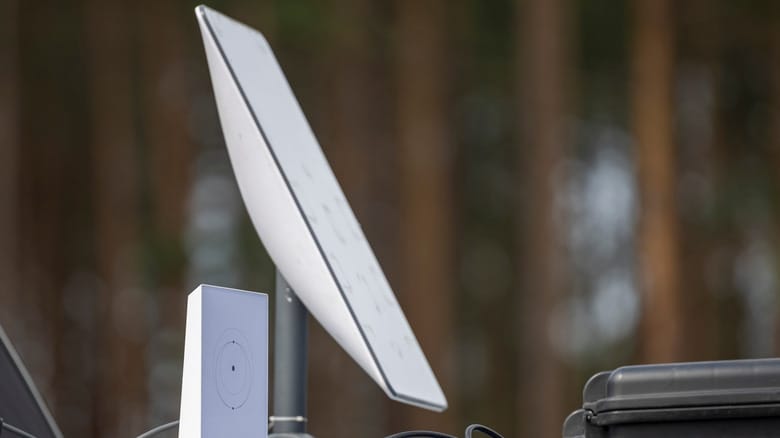
Despite its technological edge, Starlink is not perfect. Modern antennas are designed for extreme conditions: they can operate in temperatures ranging from -40 to +43 degrees Celsius and withstand wind speeds of 160 km/h. However, in practice, snow melting takes time, and brief interruptions are expected when switching between satellites.
These minor pauses are particularly critical for gaming. In online titles such as Fortnite or Counter-Strike, even milliseconds are decisive, which is why a stable cable connection remains a priority for gamers. Furthermore, if the issue lies within the global internet backbone, a satellite connection cannot provide a solution.
What This Means for Georgia
In Georgia, where difficult terrain often hinders the installation of cable internet in mountainous regions, technology like Starlink represents a true breakthrough. Although the cost of equipment and subscription fees remain high, the service remains the best alternative for those who require uninterrupted connectivity, thanks to its reliability and geographic flexibility.