The iPod at 25: How a Legendary Device Transformed the Music World
Celebrating a quarter-century of the gadget that redefined our digital lives
A Revolution in Your Pocket: The Beginning
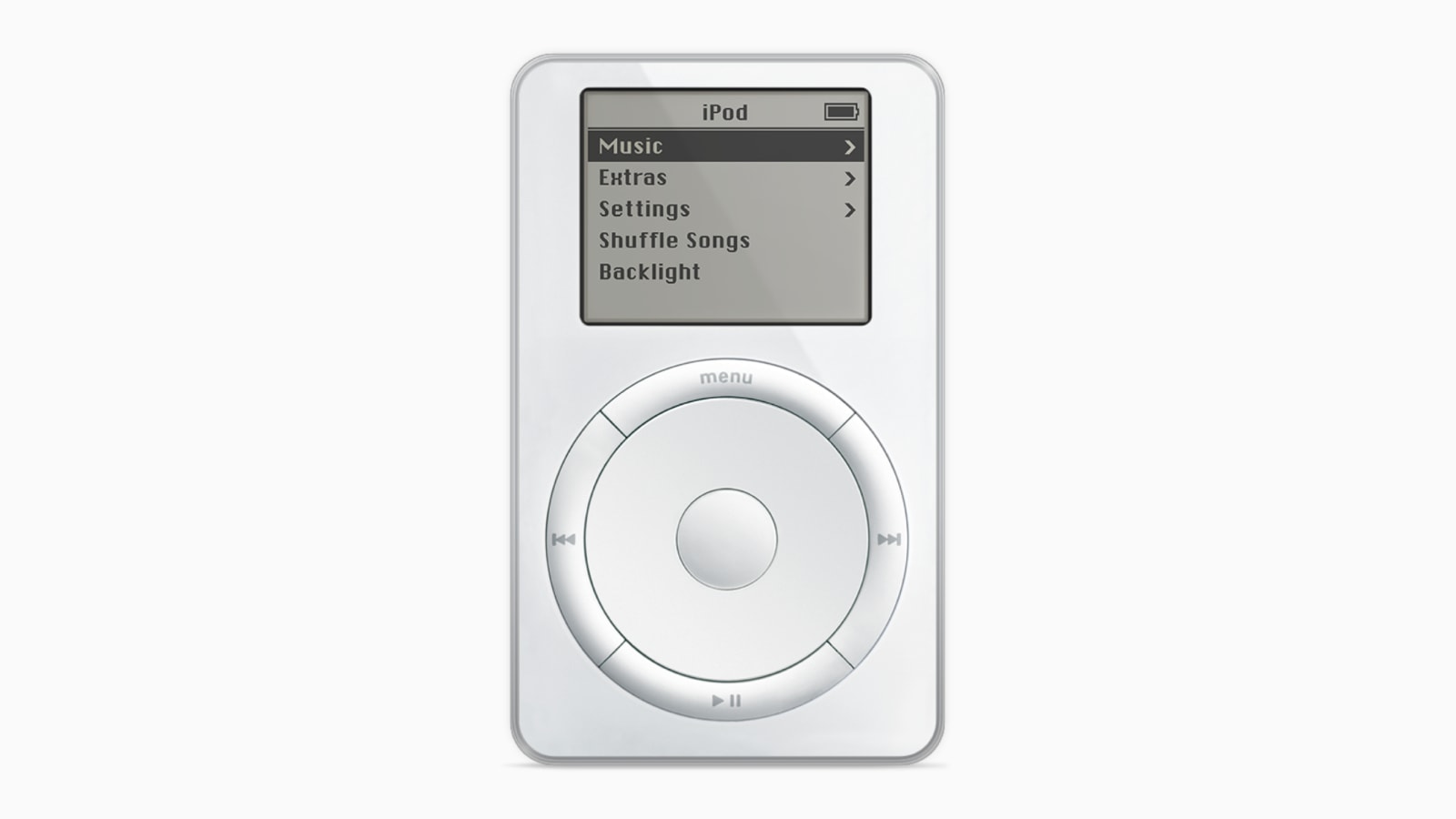
Exactly 25 years ago, on October 23, 2001, Steve Jobs took the stage at Apple’s headquarters to unveil a device that would forever change the culture of music consumption. The first iPod promised users a simple, innovative solution: "1,000 songs in your pocket." The device featured a 5GB hard drive, a monochrome LCD screen, and a mechanical scroll wheel. Priced at $399, it connected to computers via a FireWire port.
Interestingly, the tech community was initially sceptical. Many argued the device was not "revolutionary," criticising both its high price and its limited compatibility with Mac computers only. However, time proved otherwise: the iPod laid the foundation for Apple’s expansion beyond computer hardware, establishing the company as a leader in digital media.
Evolution and Variety
Following the success of the first model, Apple rapidly expanded the iPod line. In 2004, the iPod mini introduced the iconic Click Wheel—a touch-sensitive control panel that later became the series standard. In 2005, Apple launched the iPod shuffle and iPod nano. The former was defined by its compact, screenless design, while the latter utilised flash memory technology and a refined aesthetic.
In 2007, shortly after the release of the first iPhone, Apple introduced the iPod touch. Equipped with a 3.5-inch Multi-Touch screen, Wi-Fi support, and the Safari browser, it functioned similarly to the iPhone. The popularity of the iPod was such that by 2011, sales had exceeded 304 million units.
The End and the Legacy
Over time, the rise of smartphones diminished the need for a dedicated iPod. Apple discontinued the iPod classic in 2014, later phasing out the nano and shuffle models. Finally, in May 2022, the company announced the end of iPod touch sales, officially bringing the iPod era to a close.
However, as Greg Joswiak, Apple’s head of marketing, stated, "the spirit of the iPod lives on." The ability to listen to music, once the primary privilege of this device, is now integrated into the iPhone, Apple Watch, iPad, and HomePod. While specialised music players have become a thing of the past, the iPod remains the technology that introduced digital music to the masses and laid the groundwork for the modern mobile ecosystem.