The Incredible Capabilities of the New Tesla Roadster
Space Technology on the Road
The presentation of the Tesla Roadster exceeded all expectations. The company unveiled a vehicle that defies not just design norms, but the laws of physics. The stunts performed during the event demonstrate that Tesla engineers have successfully integrated SpaceX expertise and aerospace technology into the automotive sector.
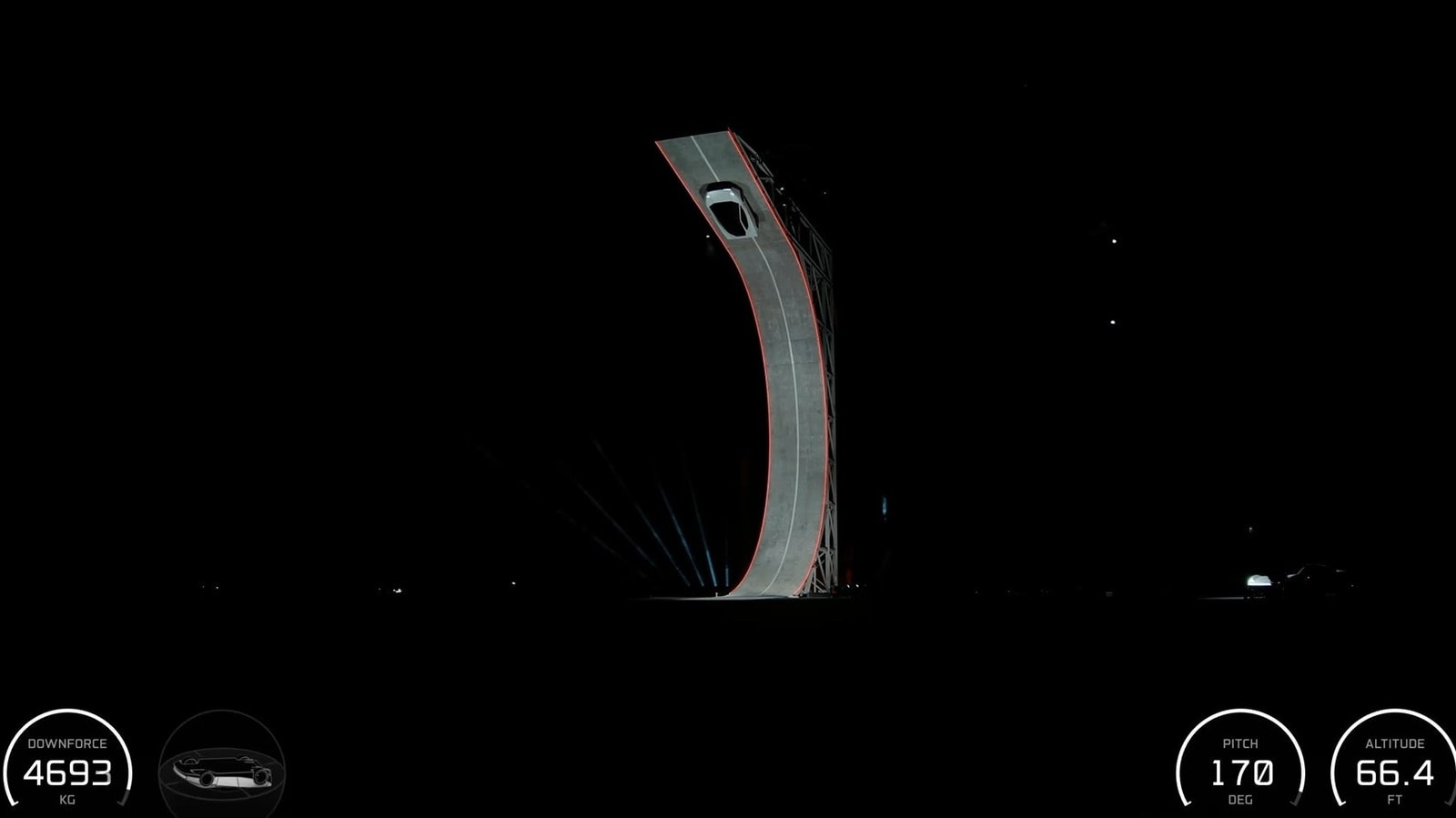
The most impressive spectacle was the Roadster ascending a C-shaped ramp. The car did not merely reach the top; it managed to remain stationary while positioned completely upside down. This was made possible by specialized systems that secure the vehicle to the surface. However, the highlight occurred when the car launched off the ramp, rotated in mid-air, and landed softly using cold-gas thrusters. This technology, borrowed directly from SpaceX rockets, allows the vehicle to maneuver while airborne.
Capabilities and Pricing
During the presentation, the Roadster performed several complex feats, including jumping over stationary cars and taking off from a standstill. This indicates that Tesla’s goal is not simply to build a fast electric vehicle, but to fundamentally change the concept of automotive transportation.
Pre-orders for the Roadster are currently open, though prices and specifications vary significantly by version. Reserving the base model requires a $5,000 payment, followed by an additional $45,000 within 10 days. For those seeking the version equipped with surface-adhesion technology and rocket thrusters, the reservation cost is $250,000.
It is worth noting that the most extreme model, capable of jumping and hovering, will not be released for the mass market. It will be available exclusively to select clients, with reservations handled strictly by invitation.
What Does the Future Hold?
Tesla’s latest move confirms that the company is actively pushing innovations that often resemble scenes from science fiction. While such vehicles currently fall into an exclusive and experimental category, their technological foundation may become more accessible in the future.
For enthusiasts following the electric vehicle market, these capabilities serve as a clear indicator of the direction the automotive industry is heading. However, the appearance of such technology on public roads will likely require significant time, both in terms of technical refinement and the development of road safety regulations.