The future of the internet: why IPv6 matters for your network
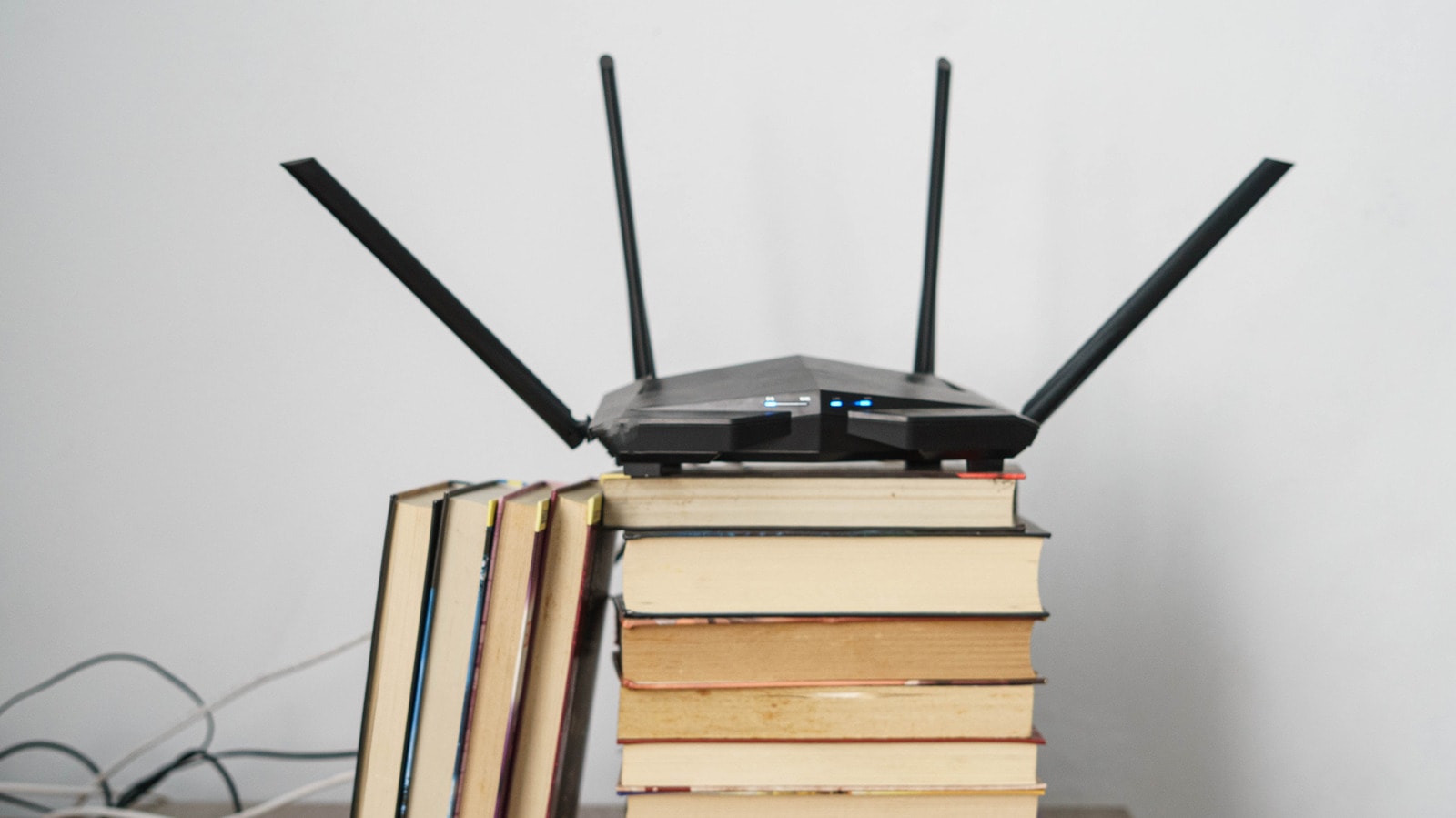
More devices are connected to our home networks than ever before. Beyond smartphones and laptops, televisions, gaming consoles, smart door locks, and various IoT gadgets are all online. However, they often share a single public IP address because the internet's original addressing system, IPv4, ran out of addresses back in 2011.
Address shortage and the role of NAT
Created in 1981, the IPv4 standard allowed for just 4.3 billion addresses — a figure that proved catastrophically small for the scale of the digital age. To address this shortage, routers rely on NAT (Network Address Translation). This technology enables a home network to use a single public address while assigning a private internal address to each connected device. However, internet service providers frequently employ Carrier-Grade NAT (CGNAT), placing thousands of subscribers behind the same public address. This often causes friction in online gaming or when using services requiring direct peer-to-peer connections.
IPv6: Infinite possibilities
Standardised in 1995, IPv6 solves this problem at its root. Its 128-bit addressing system is so vast that, theoretically, even every single atom on Earth could be assigned a unique address. According to Google statistics, as of October 2026, roughly 51% of global users are already using IPv6. The technology permits every device to have its own public address, removing the barriers imposed by NAT — a shift particularly beneficial for online gaming and smart home devices operating on standards like Matter.
Should you enable IPv6?
If your network operates stably, enabling IPv6 will not make your internet connection faster. However, if your ISP supports the standard, turning it on is advisable for future compatibility. Enabling it via your router settings is straightforward, though there is one vital nuance: security. Under IPv4, NAT naturally acted as a protective shield. When enabling IPv6, you must ensure your router firewall is active and actively blocking unsolicited incoming traffic. Furthermore, remember that some VPN services only handle IPv4, meaning enabling IPv6 could leak data outside your encrypted tunnel. Ultimately, IPv6 is the inevitable future of the internet. When purchasing a new router in the near future, ensure this feature is supported, enabled, and properly configured.