The First Firearm Designed by Artificial Intelligence
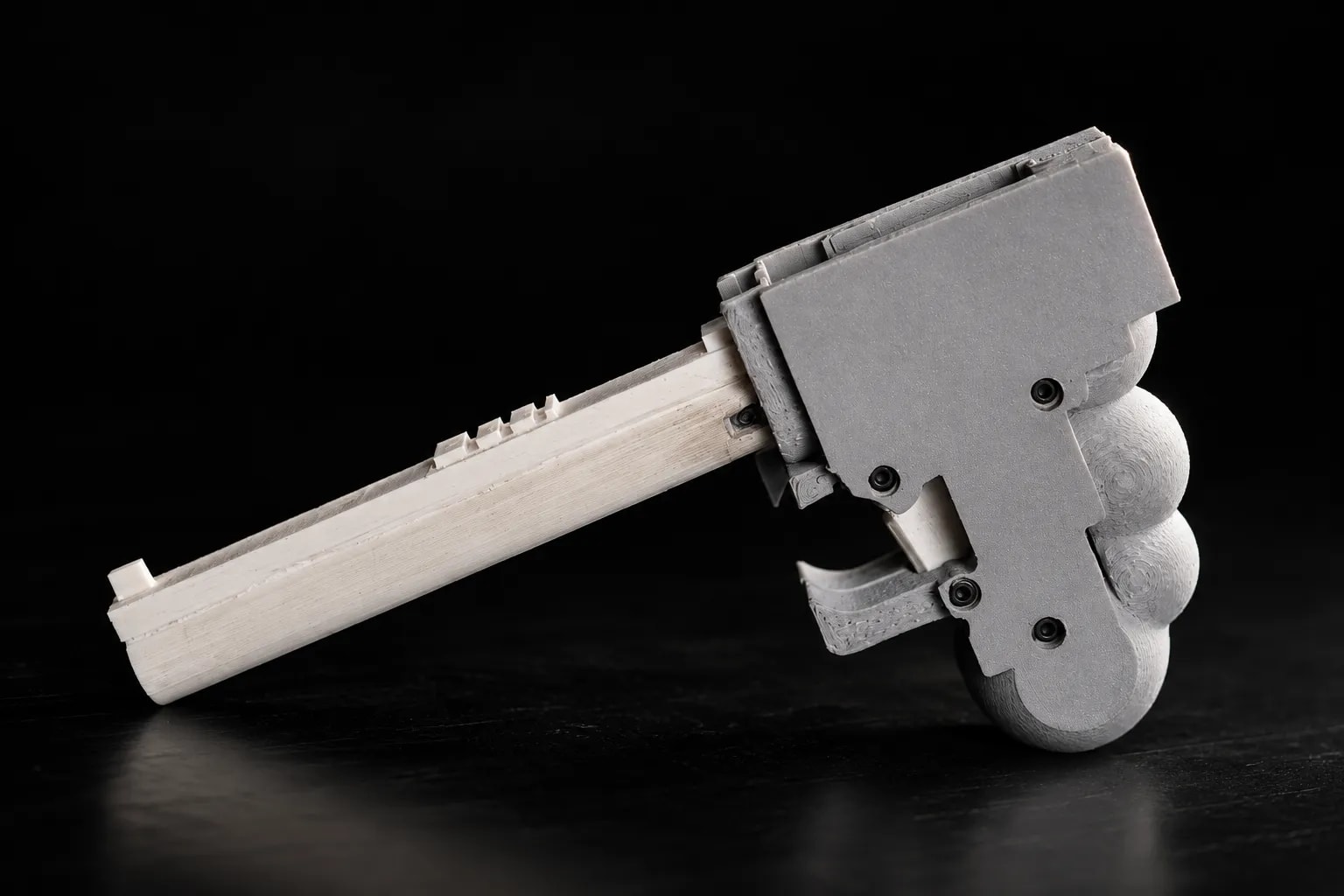
A new and controversial chapter has opened in the intersection of technology and gun control. Cody Wilson, known for pioneering the concept of 3D-printed firearms years ago, has introduced a new project called WASP. He describes it as the first firearm created by artificial intelligence, with its design generated by a specialized AI model named GatGPT.
How does GatGPT work?
GatGPT is not a standard chatbot. It is a specialized model trained on data from DEFCAD, a massive repository of digital firearm files. Wilson explains that the system assists enthusiasts in selecting specific components and, crucially, in generating new, unique designs. For the WASP, the AI was tasked with creating a functional firearm based on an existing model, the "Harlot." The resulting design, which was printed in six hours, features strange, almost surreal shapes, including a bubbly grip typical of AI-generated imagery.
Technical and safety challenges
During its first test fire, the weapon experienced a minor malfunction, though it successfully discharged on the second attempt. Nevertheless, experts point out that the construction is highly unusual; for example, it lacks a proper trigger guard, posing a significant safety risk. Firearms historians note that AI-generated designs often lack logical functionality, appearing more like futuristic props from science fiction films.
The primary danger cited by advocacy groups is the lowering of entry barriers. While creating a 3D-printed firearm previously required technical expertise, users can now simply provide the correct prompt to an AI. This complicates the work of regulatory agencies, as new AI-generated designs do not match existing databases used by weapon detection systems.
What does this mean for the future?
Cody Wilson continues his campaign for the legalization of so-called "ghost guns," arguing that firearm code constitutes a form of free speech protected by the Constitution. As some U.S. states move to mandate that 3D printer manufacturers install software to detect firearm files, Wilson is countering with tools like "Hochulization," which alter digital file identifiers to bypass such systems.
Although the WASP is currently more of a proof-of-concept than a mass-produced weapon, the trend is clear: artificial intelligence is becoming a tool that allows anyone to create a firearm without a serial number. This creates a new challenge for global security, as technological progress in this field is outpacing legislation.