The Era of Mini DisplayPort Is Coming to an End
Modern standards have fully replaced the once-popular port.
Technological Evolution and Changing Ports
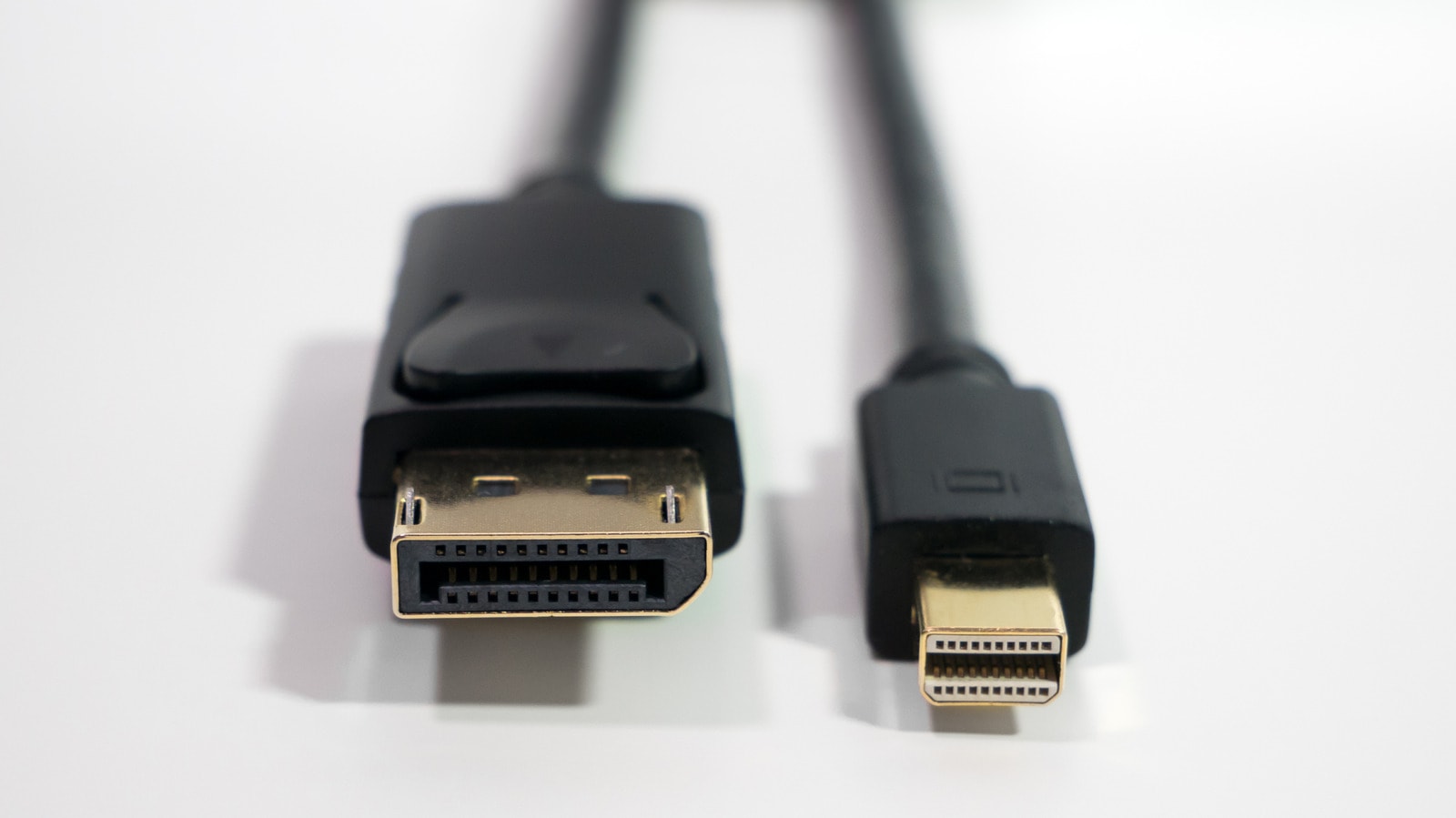
The Mini DisplayPort, once a staple in many computers, is gradually disappearing from the tech market. The relevance of this standard has reached a minimum as the industry shifts toward more modern and multifunctional solutions.
While the Mini DisplayPort was once considered the premier method for connecting monitors, it is now largely viewed as outdated technology. Its place has been taken by USB-C and the latest versions of Thunderbolt, which offer the ability to transfer data, charge devices, and support various peripherals simultaneously.
Why Has Mini DisplayPort Been Forgotten?
The primary reason for the decline of the Mini DisplayPort is the manufacturers' push toward minimalism. Modern laptops are becoming increasingly thin, forcing companies to reduce the number of ports and prioritize interfaces that serve universal functions.
Although the standard remains familiar to many users, new-generation monitors and graphics cards are increasingly focusing on HDMI 2.1, full-sized DisplayPort versions, or direct USB-C/Thunderbolt connections. This transition offers users fewer cables and greater flexibility, though owners of older hardware often find themselves needing adapters, which complicates the process.
For users in Georgia who rely on older equipment, this shift means that careful attention must be paid to compatibility when purchasing new peripherals. While the Mini DisplayPort has not vanished entirely, its role in the technological ecosystem is effectively exhausted.