The Electric Honda Super Cub: Why This Motorcycle Is Inevitable
The iconic motorcycle that has defined simplicity since 1958 is ready for a modern upgrade.
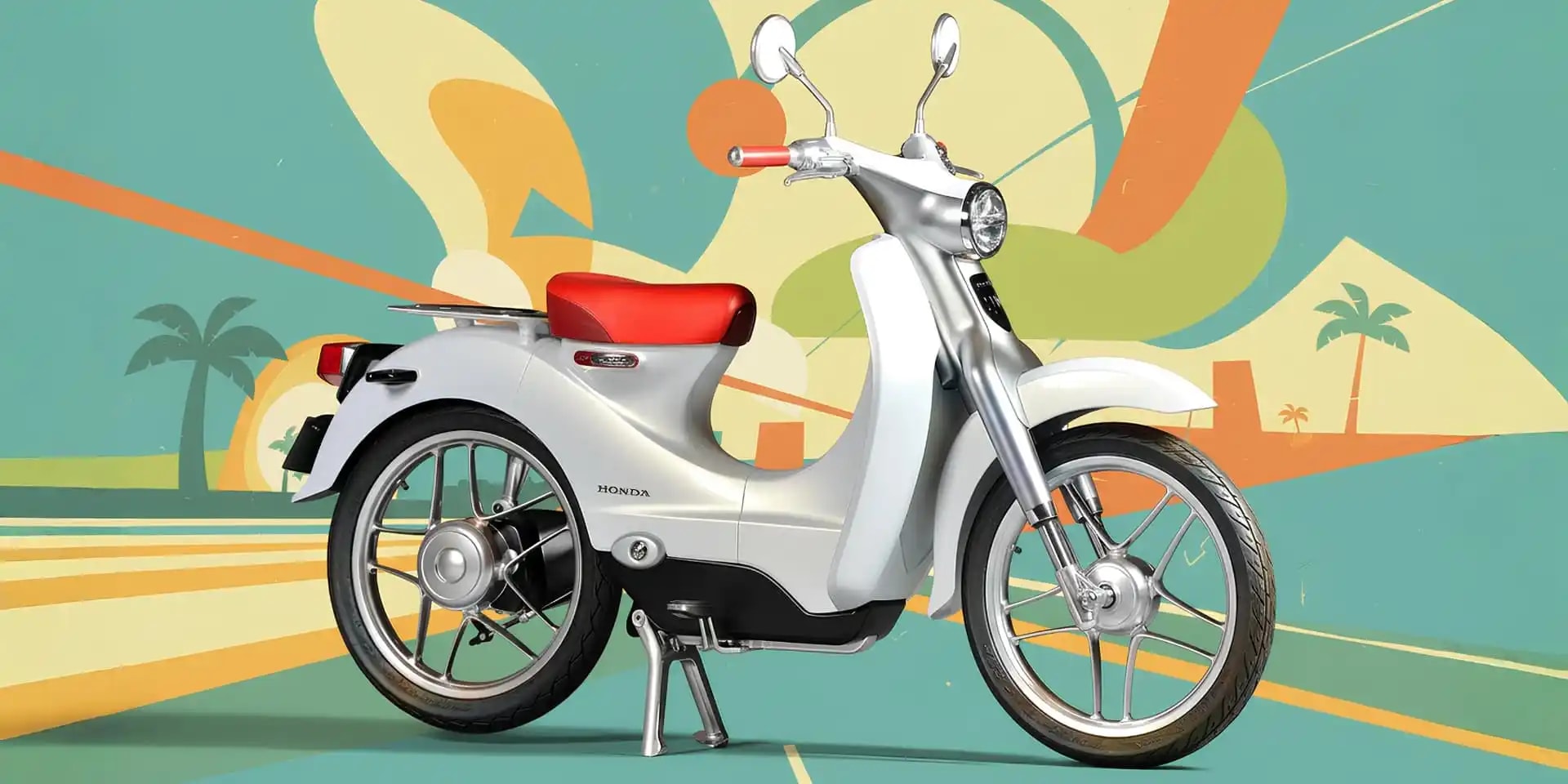
The Honda Super Cub is one of the most successful vehicles in the history of the global automotive industry. Since 1958, more than 100 million units have been produced, and it remains a symbol of simplicity and practicality today. Despite its global recognition, Honda has yet to create a full-fledged electric version—a move that is becoming increasingly necessary given current market trends.
Why the Super Cub is the ideal electric vehicle
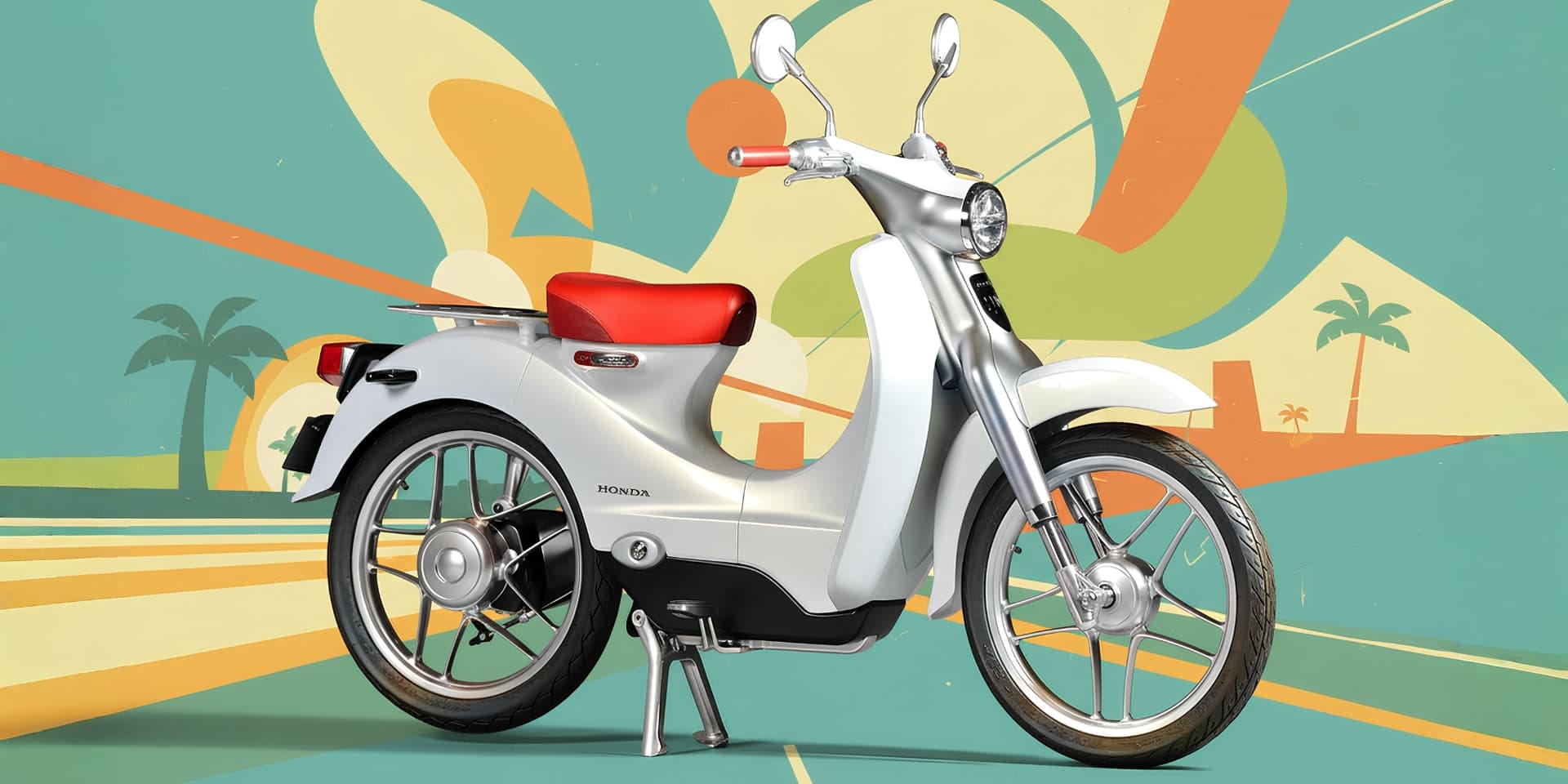
The main charm of the Super Cub lies in its accessibility and ease of handling. It was never designed to set records or provide aggressive performance; it is a reliable, everyday commuter. Adding an electric motor would not compromise its classic design; rather, it would make the machine more technologically refined. For engineers, the most efficient approach would be to use an in-wheel motor, which would free up space in the chassis for batteries.
This is not about a large motorcycle designed for long-distance travel. For urban environments, a range of 80 to 95 kilometres and a top speed of 80 to 95 km/h would be perfectly sufficient. Such specifications make the Super Cub an ideal alternative for those looking to upgrade from electric bicycles to something more powerful, yet still lightweight and easy to handle.
The potential of swappable batteries
Honda already possesses its own Mobile Power Pack e: system, which utilizes swappable batteries. Adapting an electric Super Cub to this system would not be technically difficult for the company. This would allow users to avoid waiting for charging times, instead replacing a depleted battery with a fresh one in seconds—a feature particularly valuable for urban logistics.
Today, there is a clear market demand for electric conversions of classic Super Cubs, with various startups already offering specialized kits. This proves that the brand has a ready, loyal audience waiting for a factory-produced version. Honda has everything it needs to execute this project: a legendary name, iconic design, battery technology, and extensive experience in mass production.
What this means for the Georgian market
In Georgia, where traffic congestion and environmental issues are becoming increasingly pressing in urban areas, such a compact, economical, and simple vehicle would undoubtedly enjoy great popularity. An electric Super Cub would be more than just a stylistic choice; it would be a practical solution for daily commuting. If Honda decides to take this step, it will gain a product that is equally desirable in European, Asian, and American markets. Now, everything depends solely on the manufacturer’s willingness to act.