The Countdown Changes: The Era of the Leap Second Officially Ends
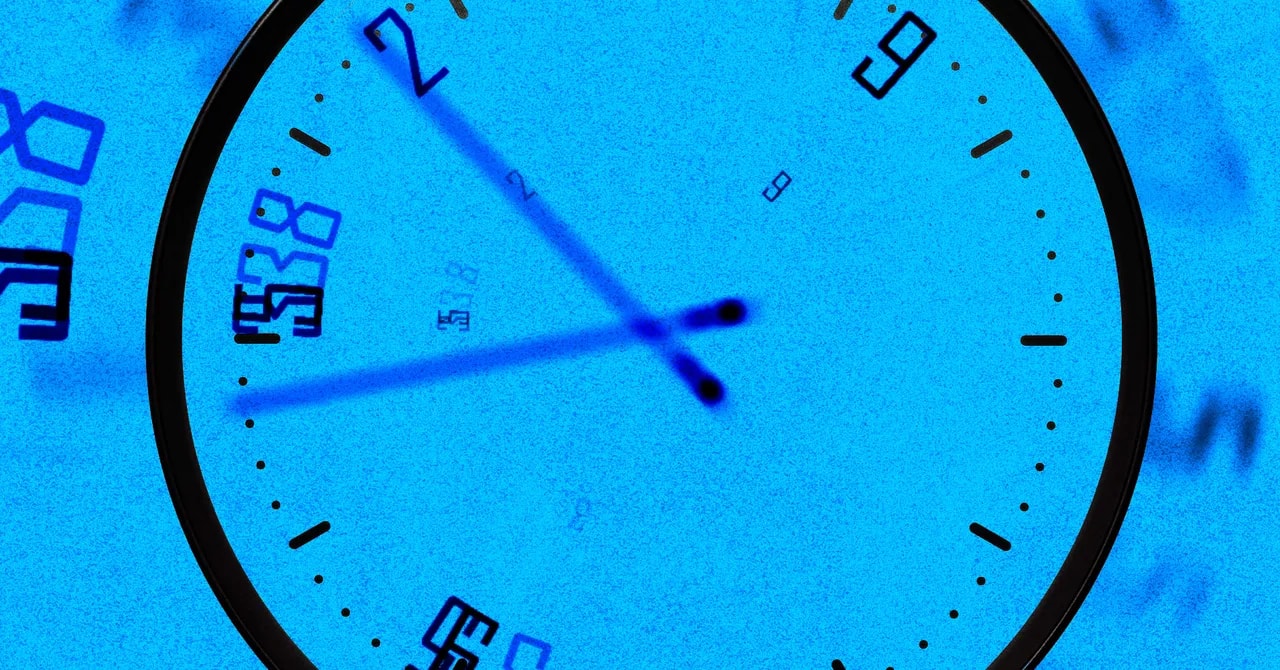
Decades of scientific debate have concluded: the leap second is being abolished. The International Bureau of Weights and Measures (BIPM) has officially confirmed that, starting in May 2027, the practice of adding extra seconds to calibrate Coordinated Universal Time (UTC) will cease. While this change may seem minor, it has a fundamental impact on the modern technological world.
Why did the leap second exist?
Since 1972, the world has used the leap second to keep time measured by atomic clocks in sync with astronomical time based on the Earth's rotation. The problem is that our planet's rotation speed is not constant; it is influenced by lunar gravity, oceans, the atmosphere, and even the movement of the Earth's core. As a result, these two measures of time drifted apart, leading to the addition of 32 seconds to UTC over the last 52 years.
Why was abolition necessary?
Although this system maintained time precision, it created significant headaches for the IT sector. Internet services, databases, and software often experienced outages or errors when system clocks suddenly "paused" or "skipped." For instance, in 2012, the Qantas airline booking system crashed specifically due to a leap second.
Furthermore, the acceleration of Earth's rotation in recent years—largely linked to climate change—raised the risk that scientists might, for the first time in history, need to introduce a "negative leap second." This would have been a technologically dangerous and untested procedure, which further accelerated the BIPM's decision.
What changes for users?
Tech giants like Google and Meta have long used a "smearing" method, which involves distributing the extra second in small increments throughout the entire day. However, from 2027 onwards, such workarounds will no longer be necessary. As BIPM representatives note, systems will simply continue counting time normally without any artificial intervention.
Of course, the difference between atomic and astronomical time will continue to grow over time, but scientists no longer consider this an urgent problem. In the future, the question of introducing a "leap hour" may arise, but that prospect is thousands of years away. For users, this means a more stable and predictable digital environment, where global services will no longer be disrupted by time adjustments.