The Collapse of MAHA: What Lies Ahead for Robert Kennedy Jr.'s Movement?
A Crisis Within the Movement
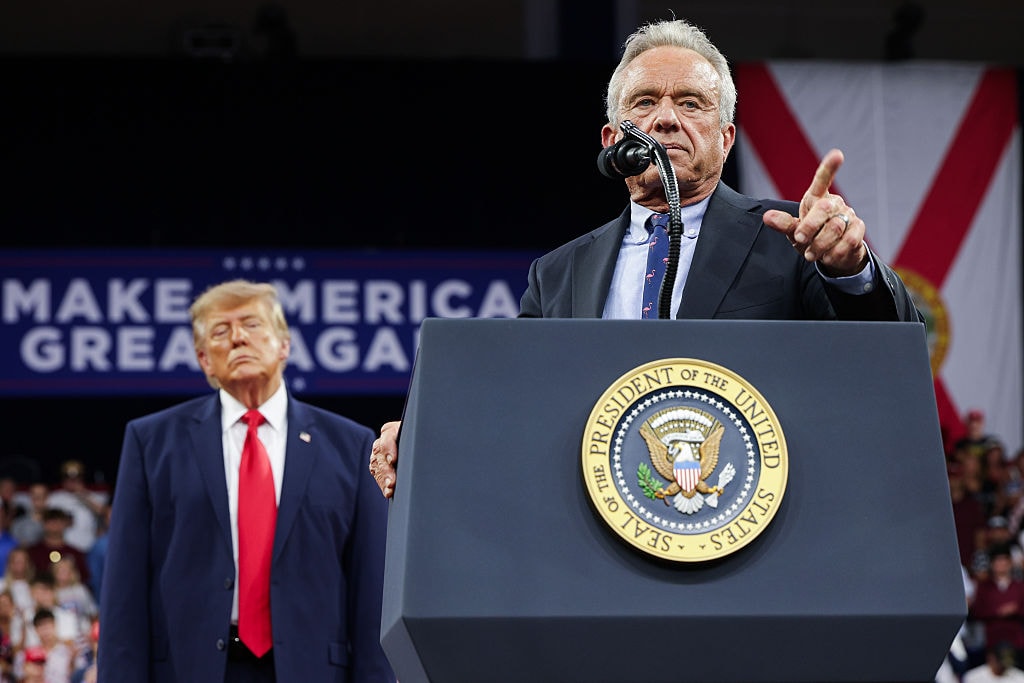
The Democratic Party’s decisive victory in the U.S. midterm elections has left the Make America Health Again (MAHA) movement in a precarious position. The movement, led by Health Secretary Robert Kennedy Jr., suffered a total fiasco at the polls. Most of his endorsed candidates were defeated, while Kennedy’s critics—including professionals such as epidemiologist Abdul El-Sayed—achieved success. For a movement that sought to exert significant political influence, this result may well mark the beginning of the end.
The movement had begun to fracture long before the election. Supporters accused both Kennedy and the Trump administration of inaction and failing to deliver on promises. One of the most high-profile instances was the so-called "scorecard" system, which revealed that 37 out of 42 campaign promises remained unfulfilled. Kennedy’s pledge to remove dyes from food products also remained a mere verbal agreement, sparking significant backlash among activists.
Ideological Rifts and an Uncertain Future
The unity of MAHA was always fragile, as its members were drawn together by vastly different motivations. Some shared Kennedy’s radical views, such as anti-vaccine rhetoric, fears regarding 5G technology, and various conspiracy theories. Others joined the movement for more pragmatic goals, such as improving food quality and reducing the influence of pharmaceutical companies.
Tensions escalated further when Kennedy supported increasing the production of the pesticide glyphosate and participated in a summit funded by corporate giants, including OpenAI and Walmart. This led to the departure of influential figures such as Calley Means and Vani Hari, known as "Food Babe." Critics openly state that the movement has betrayed its own principles and joined the very corporate circles it once opposed.
What Happens Next?
Currently, activists within the movement are debating their future plans. According to polls conducted on social media, some supporters favour the creation of a new third party, while others plan to push for a shift within the Republican Party. Meanwhile, Democratic representatives are already actively calling for Kennedy’s removal from office.
Senator Angela Alsobrooks and other newly elected lawmakers have openly declared that Kennedy has no place in government. If Kennedy loses his position, the chances of MAHA surviving are minimal, unless the movement completely distances itself from its radical wing and focuses on real, scientifically grounded healthcare issues. However, the core of loyalists surrounding Kennedy makes such a transformation unlikely. For observers in Georgia, where health policy and food safety are constant topics of public concern, the failure of this movement highlights the critical importance of a solid scientific foundation and political consistency in any such initiative.