The Asteroid That Visited Earth in the Shape of a Skull
The story of 2015 TB145, the space rock that surprised astronomers on Halloween.
A Cosmic Guest on Halloween Night
October 31, 2015, remains a notable date in the history of astronomy. As the world celebrated Halloween, an asteroid designated 2015 TB145 passed by Earth. Its appearance immediately captured the attention of scientists; radar imagery revealed that the object bore a striking resemblance to a human skull. This bizarre coincidence earned it the nickname "Halloween Asteroid," while NASA referred to it as the "Great Pumpkin."
The asteroid passed at a distance of approximately 480,000 kilometres from Earth—about 1.3 times the average distance to the Moon. While this is considered close in cosmic terms, it posed no threat to the planet. Interestingly, the object was discovered only three weeks prior to its flyby by the Pan-STARRS observatory in Hawaii, and its true shape was only confirmed by the Arecibo Observatory in Puerto Rico just one day before Halloween.
Why Monitoring Near-Earth Objects Matters
According to NASA’s Jet Propulsion Laboratory (JPL), the event served as a reminder of the importance of monitoring Near-Earth Objects (NEO). Under the "Spaceguard" program, specialists continuously track such bodies to determine their trajectories and potential risks. While there are no current threats, these unexpected visitors push scientists to refine their observation systems and address potential gaps in detection.
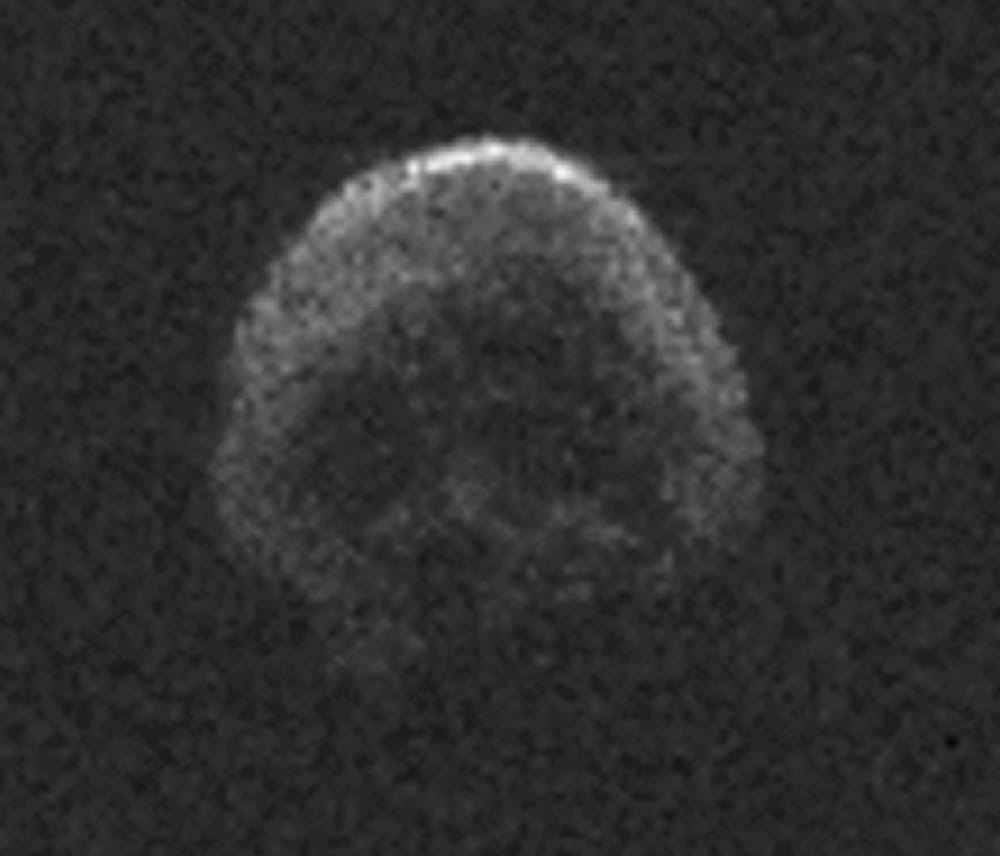
2015 TB145 made another approach in November 2018, though it remained much further away, passing at a distance of approximately 38 million kilometres. This distance is about a quarter of that between the Earth and the Sun, further illustrating that space is a dynamic and constantly changing environment.
What Awaits Us in the Future
The discovery of such asteroids allows scientists to better study the formation processes of the solar system. Although 2015 TB145 provided little more than a "Halloween show," researchers continue to update their databases to ensure no large cosmic objects go unnoticed. In August 2027, the asteroid 1999 AN10 is scheduled to pass by; measuring approximately 800 metres in size, it will pass within the distance to the Moon. This will be one of the most significant close-range observations in the near future, providing further insight into Earth's safety.