The AI Bubble: Financial Giants Warn of Potential Risks
Uncertainty in Financial Markets
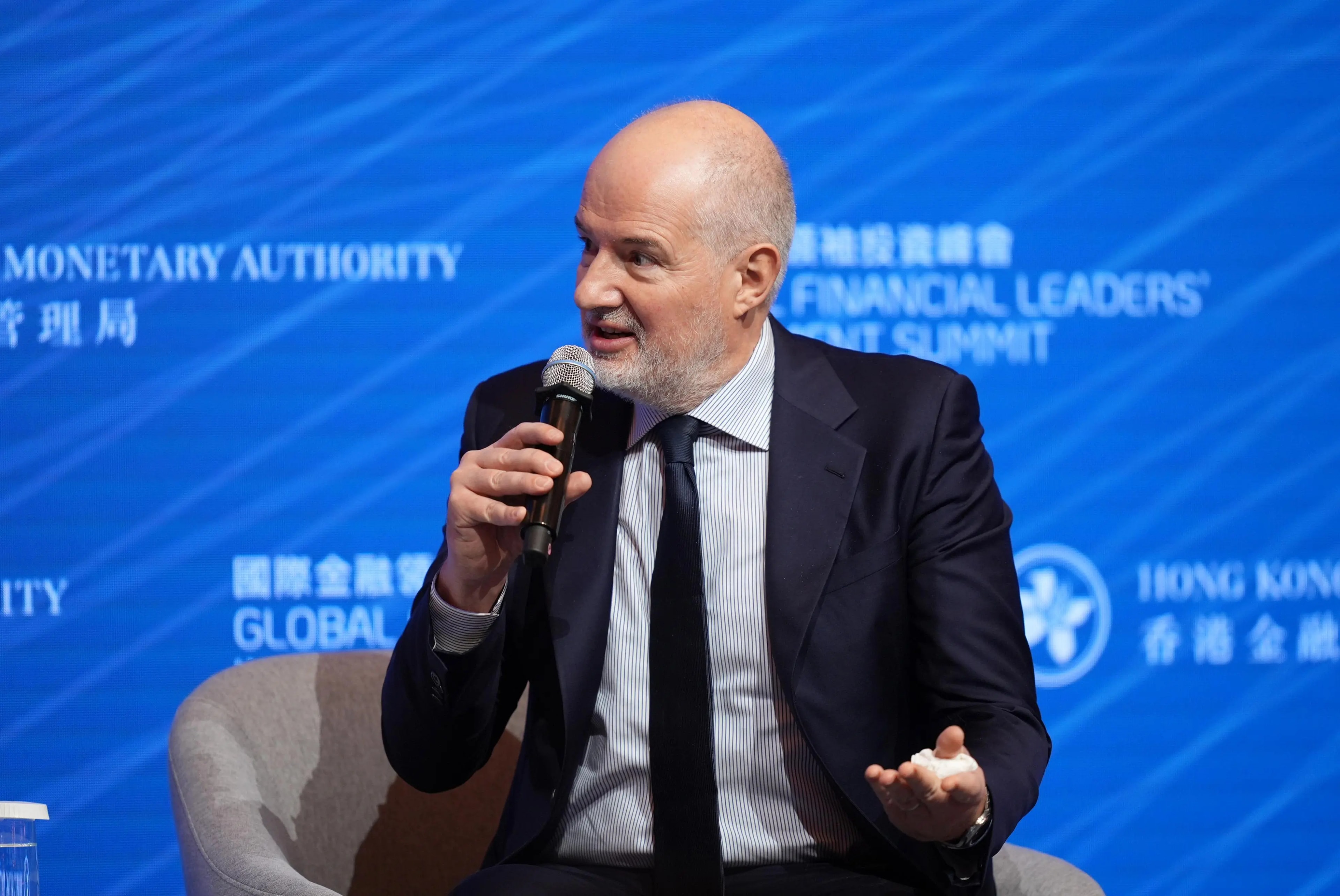
One of the most pressing questions in the technology sector concerns the "economic bubble" surrounding artificial intelligence (AI). Although tech giants are pouring billions of dollars into infrastructure development, leading Wall Street financial institutions are urging caution. At the Global Financial Leaders' Investment Summit in Hong Kong, it became clear that industry leaders are divided over the future of the sector.
PIMCO’s Warning and the Debt Burden
Emmanuel Roman, head of the influential investment firm PIMCO, has openly stated that a downturn in the AI sector is inevitable, which could lead to structural market instability. He estimates that approximately $2 trillion in funding will be required for AI infrastructure construction over the next five years. For context, the entire U.S. bond market stands at roughly $12 trillion, highlighting the significant impact AI development is having on the global financial system.
Technology companies are actively seeking capital. Meta, for example, received $58 billion in orders for a bond issuance of $15 billion to $20 billion, while Microsoft sold $25 billion in bonds—its largest issuance in a decade. Alphabet and Oracle have also taken on billions of dollars in additional debt to maintain their momentum in the AI race.
What Awaits the Market?
Jim Zelter, President of Apollo Global Management, notes that despite the rapid growth in computing power, AI economic models and pricing policies remain unclear. This uncertainty creates risks that could be exacerbated by global factors such as rising interest rates, geopolitical conflicts, or an economic crisis in the Eurozone.
While companies like Anthropic continue to attract massive capital, market observers believe the "golden age" of unconditional investment in the sector may be coming to an end. These trends are significant for markets globally, as the financial health of major technology corporations is directly linked to the services and products used every day. If the pace of AI development slows, it will inevitably impact the speed of innovation adoption worldwide.