The AI Boom: Managing the Surge in 'Ghost' Power Demand
Energy companies are implementing strict financial requirements to avoid grid instability caused by speculative AI infrastructure projects.
Grid Crisis: When 'Ghost' Data Centers Create Real Problems
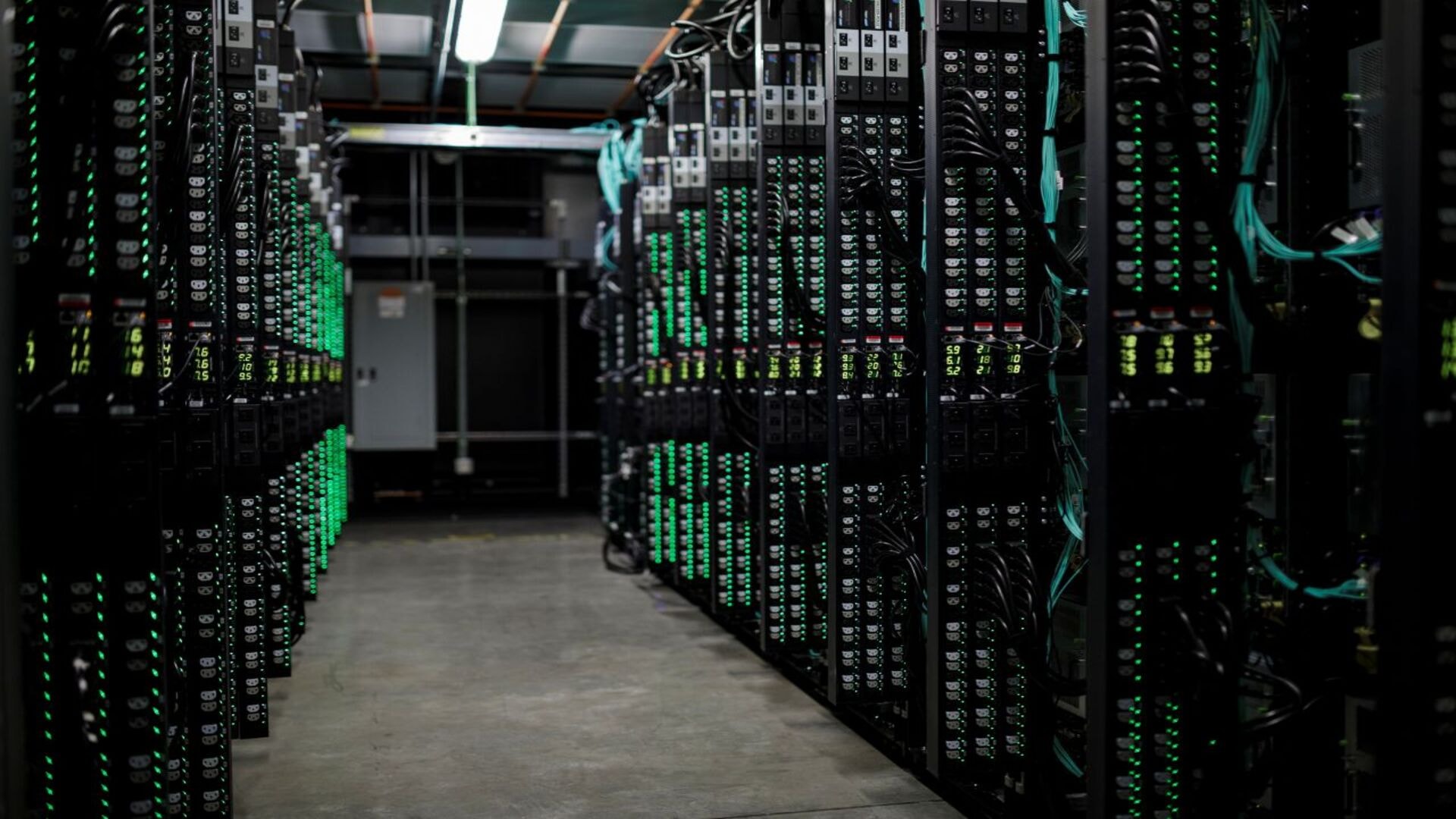
The rapid advancement of artificial intelligence has triggered a massive surge in global energy demand. However, a new challenge has emerged within the US energy sector: developers are flooding utility companies with grid connection requests for projects that often exist only on paper. Because of these so-called "ghost" data centers, energy providers are now being forced to demand strict financial guarantees and long-term contracts.
The scale of the issue is significant, with requested capacity from developers reaching 1,066 gigawatts—roughly 83% of the total US generation capacity. Analysts predict that companies will only be able to fulfill about 28% of this demand, as the remaining applications are either duplicates or purely speculative. Investors often submit requests for multiple locations simultaneously to determine where they can secure power most rapidly.
Financial Barriers and Accountability
Energy companies like Exelon are now requiring upfront payments, engineering study fees, and long-term contracts. Consequently, Exelon reports that its portfolio of "high-probability" projects has shrunk by 40%. This confirms that when developers are held to real financial accountability, many speculative projects simply vanish.
The core issue is that the costs of grid expansion are often shared. If a utility builds infrastructure for a data center that is never actually constructed, those costs are ultimately passed on to regular consumers. In states like Virginia, sharp increases in electricity rates have already sparked public outcry, prompting authorities to limit the extent to which data center costs can be offloaded onto the public.
What Does the Future Hold?
Today, the average contract duration for data centers exceeds 10 years, which is double the figure seen before 2024. This shift is essential to ensure that grid planning is based on actual requirements rather than optimistic, unsubstantiated projections and speculation.
For Georgia, which is working to modernize its energy infrastructure and solidify its status as a digital hub, this experience serves as an important lesson. While implementing AI technologies and building data centers is vital for economic growth, the US example shows that managing this process requires clear regulations to protect the stability of the energy system and the interests of consumers. The primary challenge for the energy sector remains finding the balance between fostering innovation and protecting critical infrastructure.