The AGI Expectation and the Trend of Abandoning Tech Giants
Leading researchers are departing major laboratories to pursue independent ventures, signaling a shift in the quest for AGI.
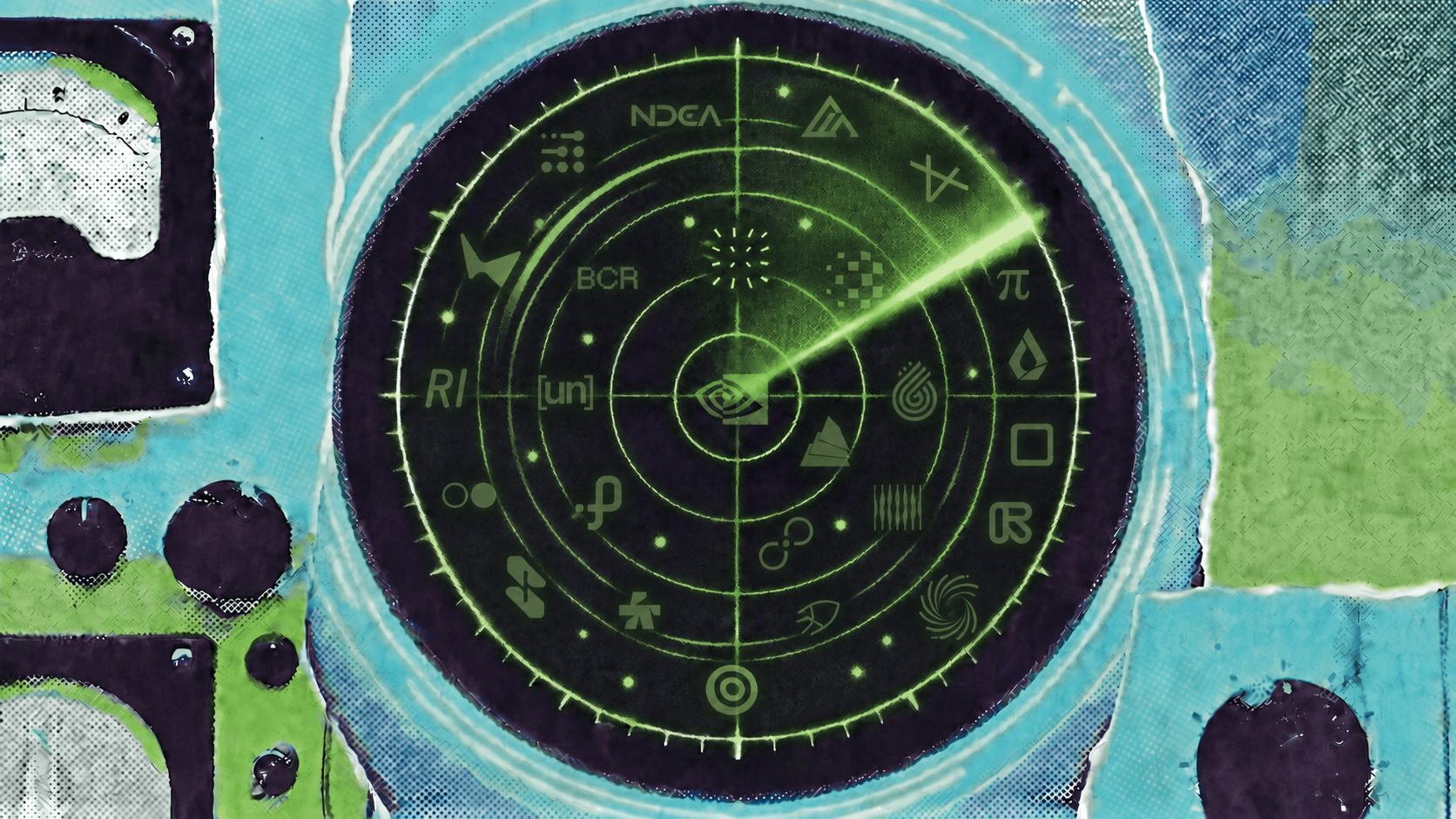
A strange paradox is currently unfolding in the field of artificial intelligence. On one hand, Nvidia CEO Jensen Huang and the leadership at OpenAI publicly declare that the era of Artificial General Intelligence (AGI)—AI capable of performing any intellectual task like a human—is already here. On the other hand, the industry's brightest minds, who built the foundations of modern models, are leaving Google DeepMind, OpenAI, and Meta in droves to establish their own "neolabs."
Why are experts leaving leading companies?
This exodus of specialists is more than a simple career change. Figures such as Ilya Sutskever (co-founder of OpenAI), Jakub Pachocki, and David Silver (creator of AlphaGo) are moving toward new startups. Although many of the companies they have founded have yet to present a single model or research paper, investors are pouring billions of dollars into them. For instance, Sutskever’s Safe Superintelligence (SSI) has already raised billions in funding, while Flapping Airplanes, which has no public product, received a $1 billion investment in October.
Behind this phenomenon lies the suspicion that the current "recipe"—training massive language models on vast amounts of data—is not enough to reach AGI. Many researchers believe that existing systems cannot learn continuously and efficiently. They are trapped: large corporations like Google or OpenAI are focused on rapid product releases, which prevents them from taking research risks. In management theory, this is known as the "innovator's dilemma."
Research goals and technological challenges
New startups are focusing on gaps that giants either fail to notice or do not allocate resources to address. One of the main challenges is "continual learning." Today's models remain static after training; they cannot convert new experiences into permanent memory. Startups such as Core Automation and Adaption are attempting to create architectures capable of adapting and evolving with smaller amounts of data.
Efficiency is also a pressing issue. Researcher Sara Hooker notes that the "era of scaling" is slowly dying. Simply using more computing power and data no longer yields the same results as before. Consequently, new labs are seeking ways to make models more compact, faster, and less energy-intensive.
What lies ahead for the industry?
Although the path for startups is difficult, their existence is essential for the ecosystem. Often, discoveries made by small teams quickly become industry standards. Giants like Microsoft or Google are constantly monitoring these new players and often attempt to acquire them to avoid falling behind in the technological race.
For users, this means that the development of artificial intelligence will not be confined to a few corporations. The decentralization of innovation may soon provide us with more personalised and intelligent tools that are capable not only of answering questions but of real, continuous learning and problem-solving.