Tesla’s Peculiar Decision in Houston: Expanding the Robotaxi Zone
The company's latest expansion in Texas has drawn more attention for its map geometry than its operational scale.
An Unusual Shape and 'Cosmic' Humour
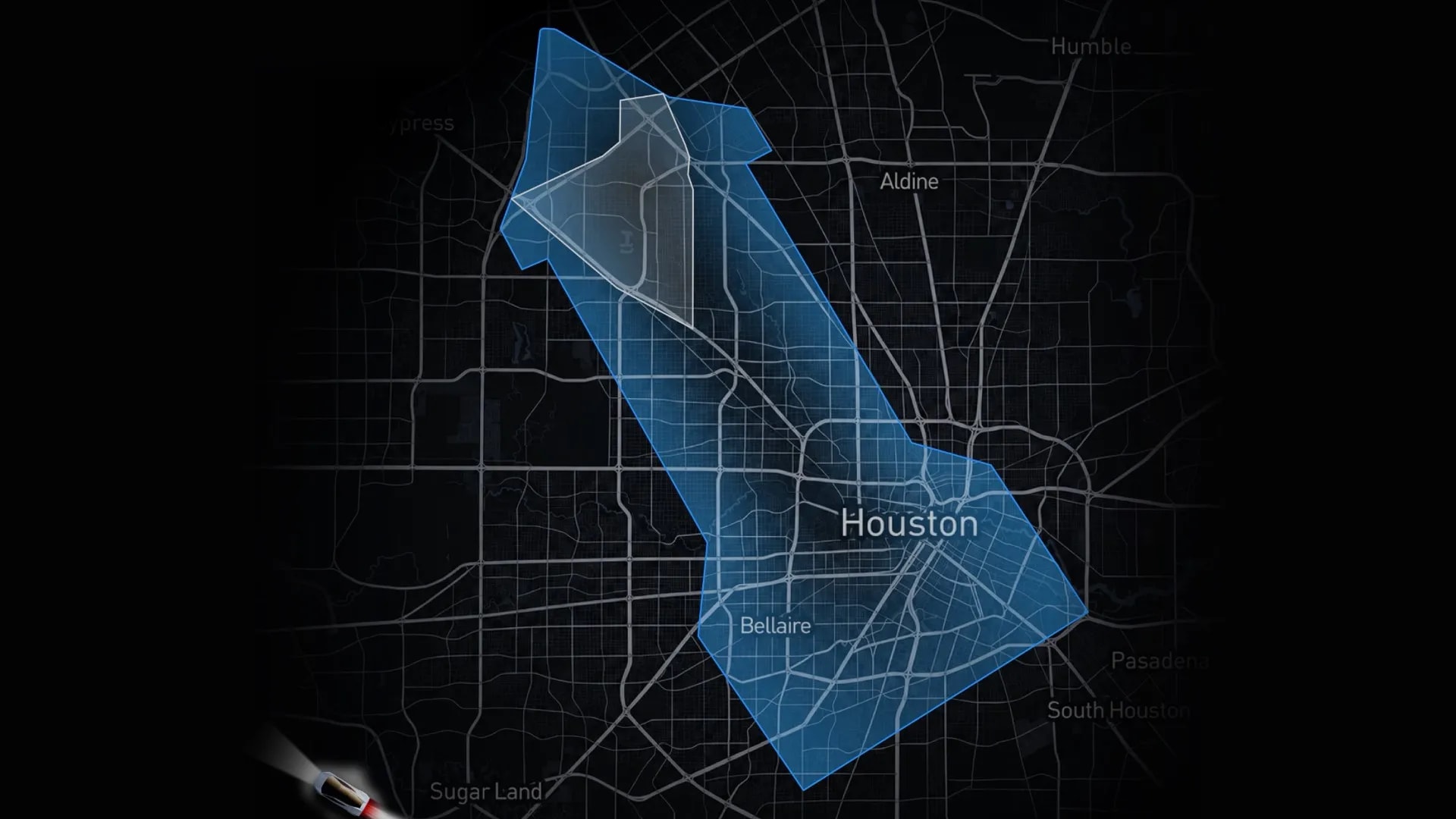
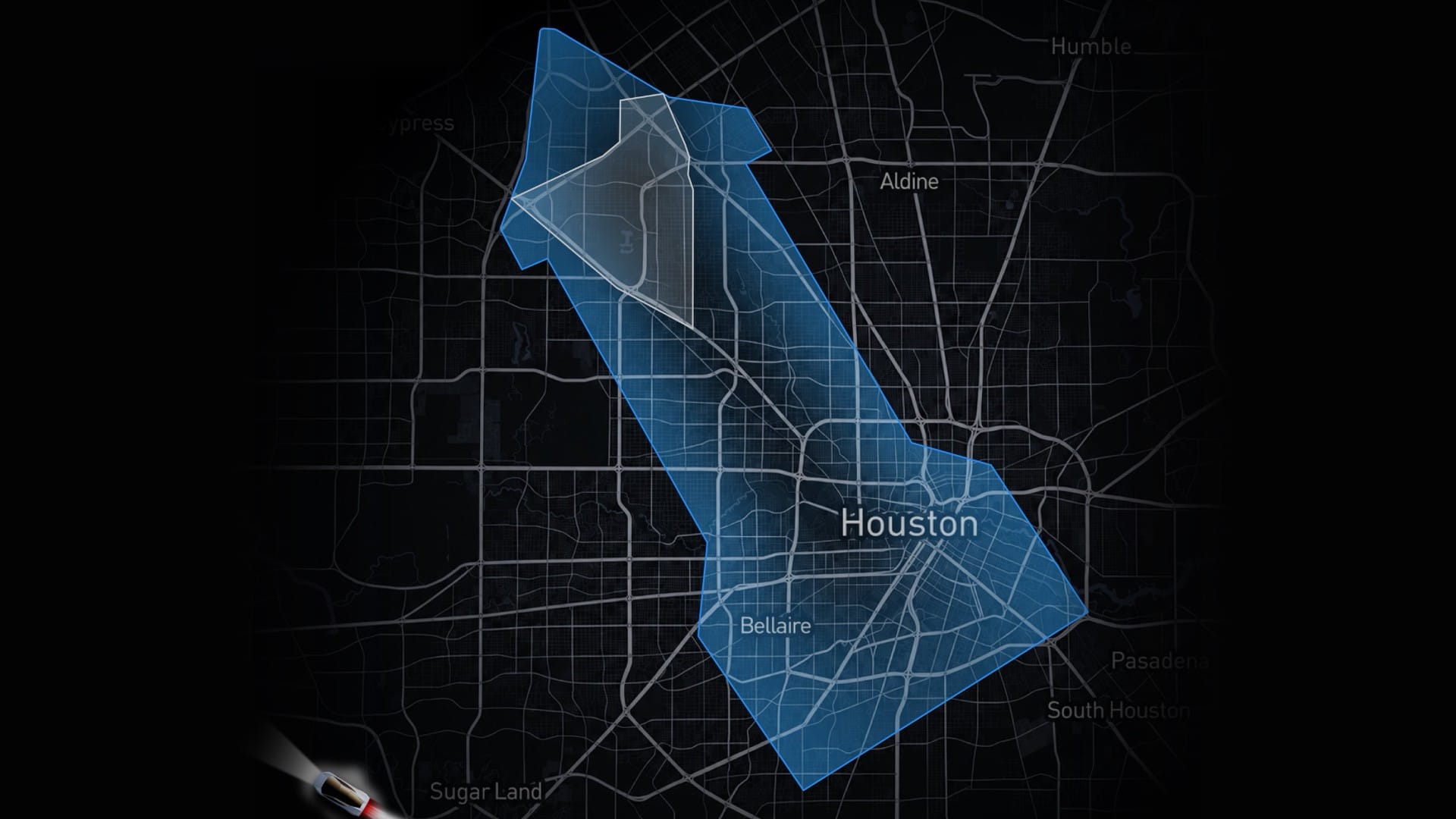
Tesla has significantly increased the service area for its robotaxis in Houston. The company announced the expansion on X with the slogan "Houston, we have liftoff," a clear nod to the city's rich space history. However, public attention was captured not by the expansion itself, but by the shape the new zone forms on the map. While it is intended to resemble a rocket, many users have identified other, less cosmic associations.
This is not the first time the configuration of Tesla’s service zones has sparked such discussions. In July 2025, a similar expansion in Austin caused a stir due to the shape it created on the map. At the time, Elon Musk did not deny the connection and even leaned into the joke, which garnered millions of views. Critics, however, argue that such "jokes" are unbecoming of a serious technology company and distract from more pressing issues.
Real Capabilities vs. Marketing Gimmicks
Although the service area has grown to approximately 254 square kilometres—a tenfold increase from the initial zone—the number of autonomous vehicles is not growing at the same pace. Data indicates that only 34 driverless Model Ys are currently operating in Houston. This means there is approximately one vehicle for every 7.5 square kilometres, significantly limiting the service's efficiency.
The company maintains that safety remains the primary challenge. Tesla’s robotaxis currently operate only on roads with limited speeds and avoid complex traffic sections, including railway crossings. Consequently, the expanded map does not mean the service will be equally accessible or efficient across the entire territory. In practice, users will often face long wait times, as the current fleet size is far from what is required for a large-scale service.
What This Means for Users
While Tesla eventually managed to increase its fleet in Austin to around 400 driverless cars, Houston is still in the early stages. Its competitor, Waymo, which operates much more aggressively and consistently in the market, has already been offering autonomous services in Houston for several months.
For Tesla, the main challenge remains adhering to safety standards and perfecting its software. While the company draws service zones that serve as "jokes," competitors are focused on real infrastructure and technological improvements. For those following the development of autonomous transport, this news confirms that full-scale driverless taxi services remain in an experimental phase and are highly restricted on a regional level.