Tesla Workers Refuse to Train Optimus Humanoid Robot
Factory staff are reportedly reluctant to train the humanoid robot meant to replace them.
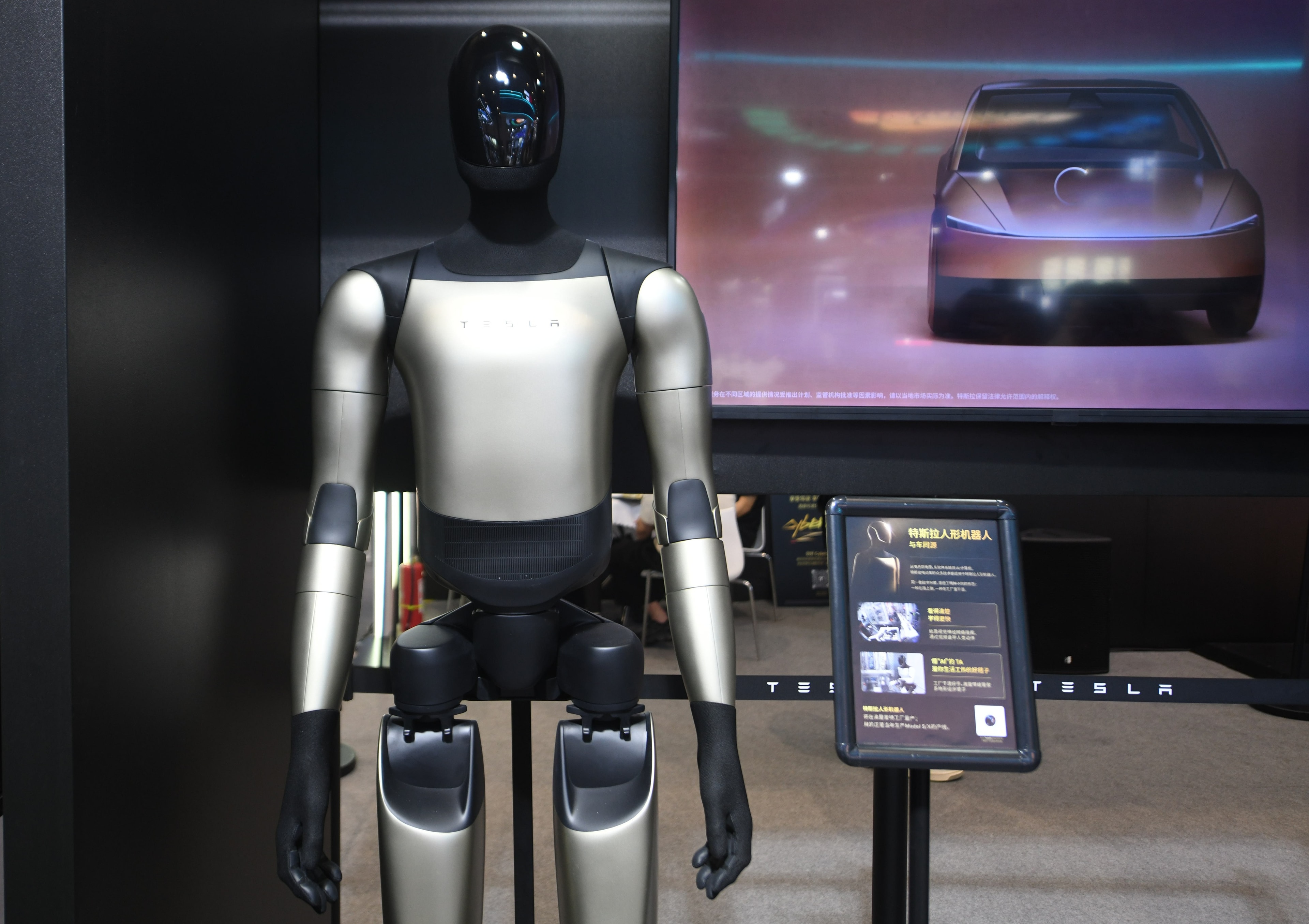
Tesla’s ambition to transform from an electric vehicle manufacturer into an artificial intelligence and robotics giant is facing serious resistance. Factory staff are voicing dissatisfaction and frequently refusing to train the Optimus humanoid robot, which is intended to eventually replace them on the assembly line.
Company chief Elon Musk has directly linked Tesla’s future to robotics and AI. Presenting the company’s Q2 2026 earnings report, Musk stated that Optimus could become the “biggest product of all time”. However, he also admitted that creating a versatile, autonomous robot represents one of the most difficult technological challenges.
Technical and human barriers
The project is hampered by multiple obstacles. Beyond the extreme technical difficulty of perfecting the robot’s complex hand mechanism for mass production, the process is stalled by workforce demotivation. Personnel asked to train their own potential replacements are naturally resisting the effort.
A radical shift in focus
Prioritising robotics has already altered Tesla’s manufacturing setup. At the Fremont factory in California, official production of the Model S sedan and Model X SUV was halted in May 2026. The company redirected engineers and workers from both lines entirely to Optimus development.
Despite ambitious plans, internal staff resistance and engineering hurdles demonstrate that fully automating human labour is a far more complex endeavour than executive leadership anticipated.