Tesla to Scale Back Cybertruck Production by 2027
The Texas Gigafactory will shift its focus to the Cybercab robotaxi.
Changes to Tesla’s Production Plans
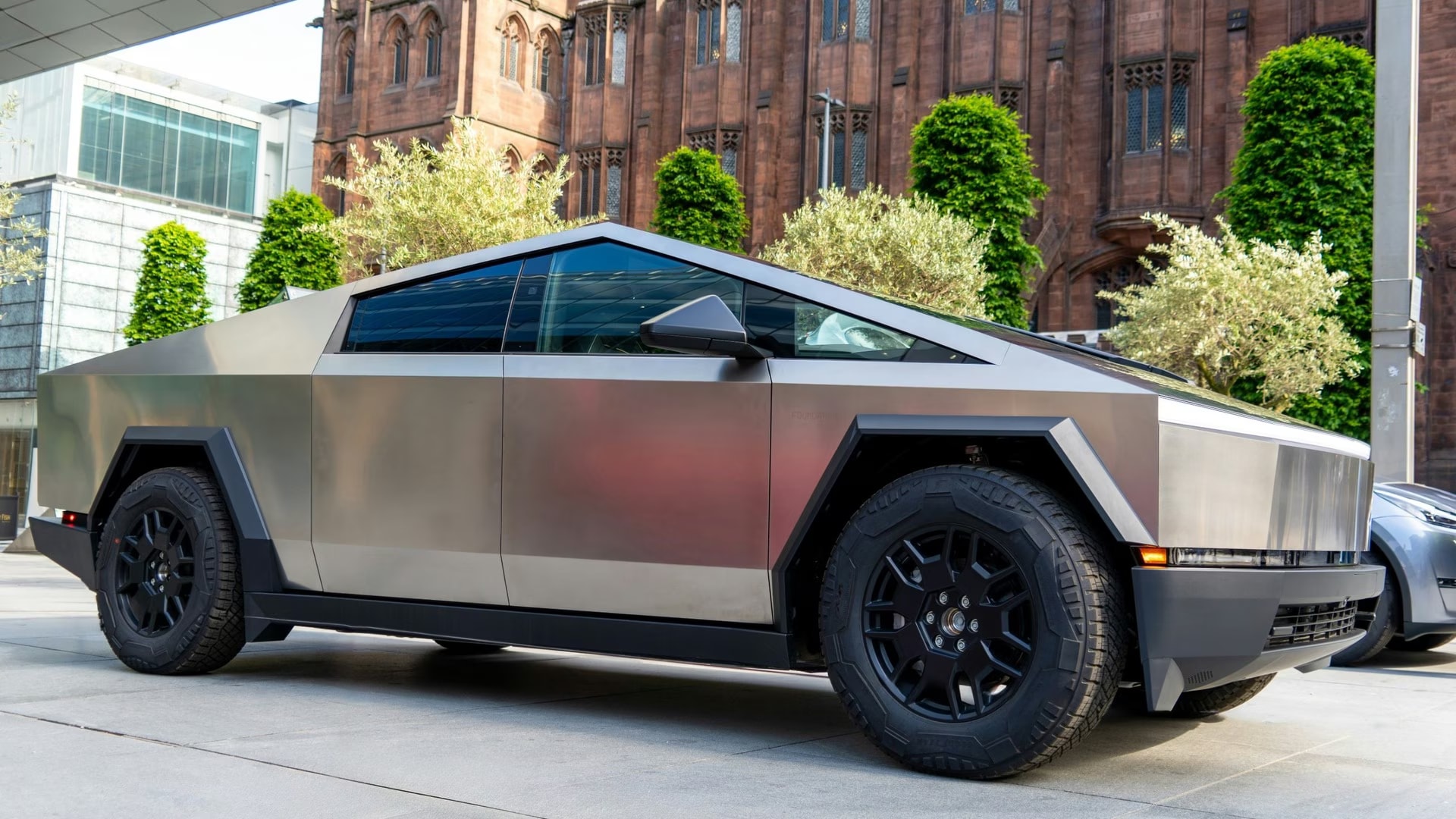
Tesla has made a significant strategic pivot. As CEO Elon Musk announced on X, production of the Cybertruck at the Texas Gigafactory will be substantially reduced by mid-2027. The freed-up manufacturing capacity will be fully redirected toward the mass production of the Cybercab, the company’s two-seater autonomous robotaxi.
While Musk did not confirm whether pickup production would cease entirely, the move signals a clear shift in Tesla’s priorities. Gigafactory Texas is currently the only facility where the Cybertruck is assembled, meaning this decision directly shapes the model's future. It remains unclear how this will impact existing owners regarding service and spare parts availability.
Expectation vs. Reality: Why the Cybertruck Struggled
The history of the Cybertruck has been fraught with challenges from the outset. Unveiled in 2019, the pickup failed to meet its promised technical specifications. The company initially targeted a price point under $40,000 and a range of up to 800 kilometres; however, the vehicle arrived two years late with a significantly higher price tag and less autonomy. Today, the cheapest version of the model starts at $74,990.
Sales figures have also fallen short of Musk’s early ambitions. In 2023, he projected annual sales of 250,000 to 500,000 units, but actual numbers have only reached the tens of thousands. Last quarter, the category grouping the Cybertruck, Model S, Model X, and Semi saw a 48% decline. Expert estimates suggest that only about 70,000 Cybertrucks have been delivered over three years.
The Future in AI and Robotics
The reduction in Cybertruck production is further evidence that Tesla is prioritising artificial intelligence and robotics. The Model S and Model X previously faced a similar fate, with their production lines repurposed to assemble Optimus humanoid robots.
Meanwhile, the Cybercab project is moving forward. Robotaxis have been transporting passengers on the streets of Austin for two months, and Tesla plans to expand the service to Dallas in the near future. For international users, these developments demonstrate that Tesla’s technological vector is moving away from traditional vehicles toward autonomous, robotic solutions that are expected to transform the global transport market over the coming decade.