Tesla to End Cybertruck Production: What Is Behind the Decision?
An Unexpected End and Conflicting Arguments
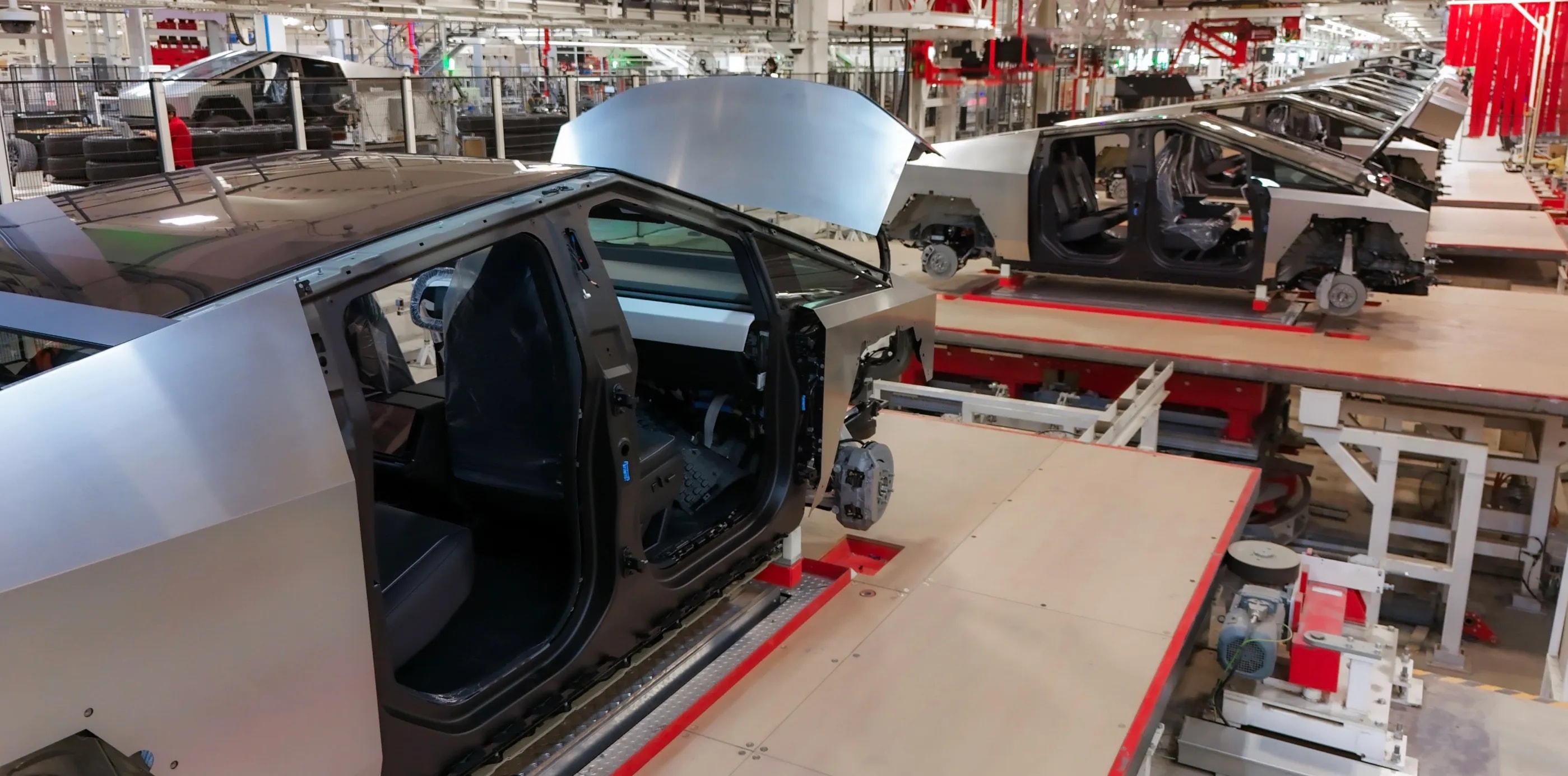
Last week, Tesla founder Elon Musk confirmed that the company will cease production of the Cybertruck by mid-2027. Musk stated that this decision is not driven by low profitability, but by the necessity to scale up production of the Cybercab. Although Musk maintains that order volumes significantly outpace production rates, data released by the company tells a completely different story.
The Reality in Numbers
Tesla’s production capacity for the Cybertruck was initially planned for 250,000 units annually; however, the factory has been unable to utilize even a quarter of that potential. In the third quarter of 2026, accounting for other models, Cybertruck deliveries amounted to approximately 7,000 to 8,000 units, equating to roughly 30,000 vehicles on an annual basis. This figure represents a nearly 48% decline compared to the previous year. If demand were truly as high as claimed, the company would have had no difficulty utilizing its existing idle production capacity.
Furthermore, for years, Tesla has actively attempted to stimulate sales through various marketing tactics. The company implemented temporary discounts, altered vehicle configurations, and in some cases, sold vehicles to its own subsidiaries, including SpaceX, to bolster statistics. It is also worth noting that Tesla has already begun returning deposits to customers who placed reservations years ago, further highlighting the real difficulties existing in the market.
A Strategic Bet on Autonomous Taxis
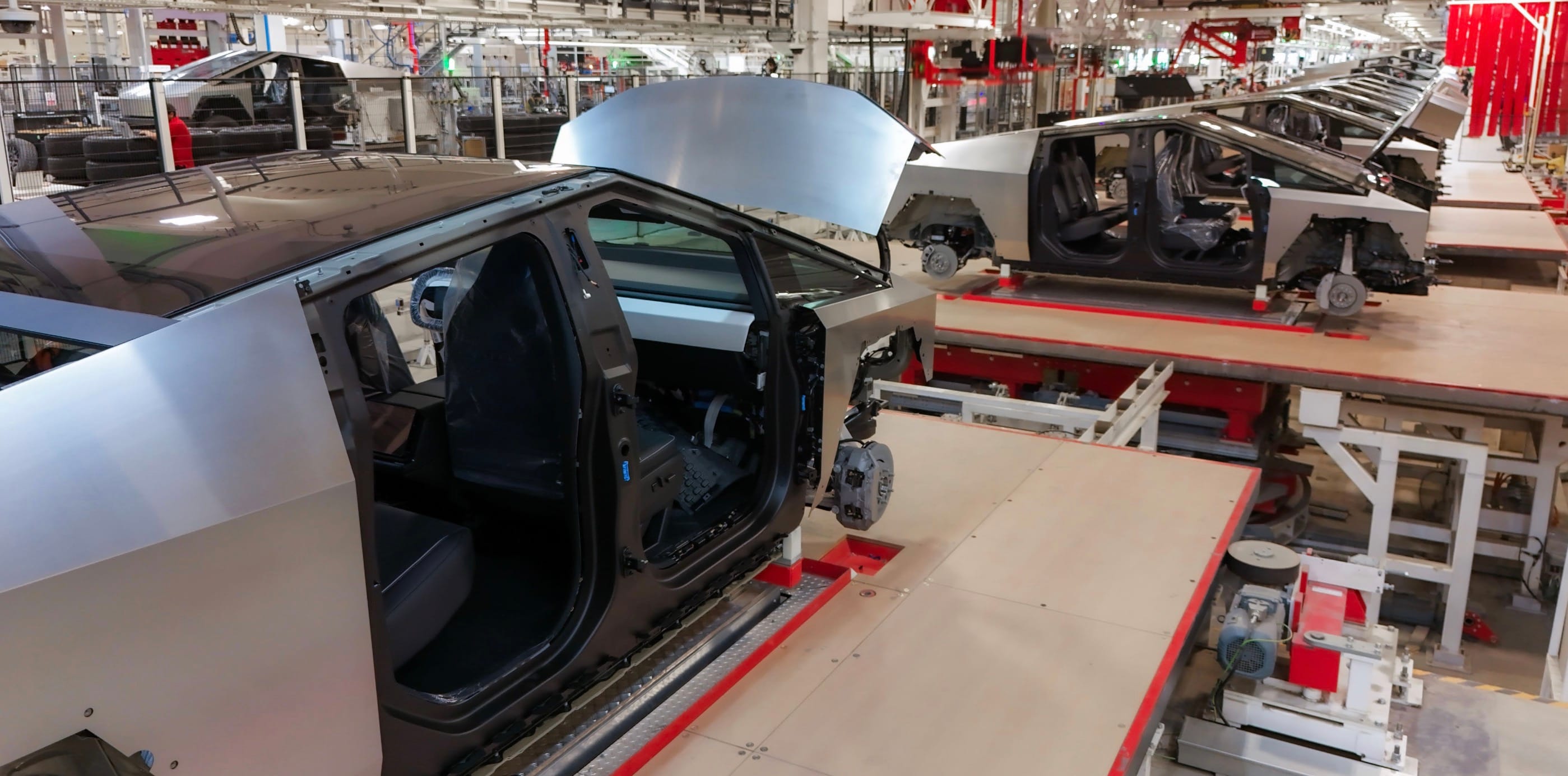
Musk’s argument that halting Cybertruck production is necessary to free up resources for the Cybercab raises questions. The pickup truck market is one of the most profitable segments globally, where Ford and GM sell millions of vehicles. In contrast, the robotaxi sector remains in the development stage, and its large-scale business model has yet to be proven.
Although Tesla supporters attribute the end of Cybertruck production to a surge in demand for the final units, this is more likely a "last chance" effect rather than proof of the product's success. For Tesla, this move is likely the conclusion of an unsuccessful endeavor, which the company is attempting to mask by focusing on future technological ambitions.
In Georgia, where the electric vehicle market is growing, such news is significant as it demonstrates how global automakers are shifting strategies from niche models to large-scale autonomous solutions. For the Georgian consumer, however, this remains an interesting case study on how a technology giant’s priorities can shift in the face of underwhelming commercial results.