Tesla to Begin Cybercab Sales by the End of the Year
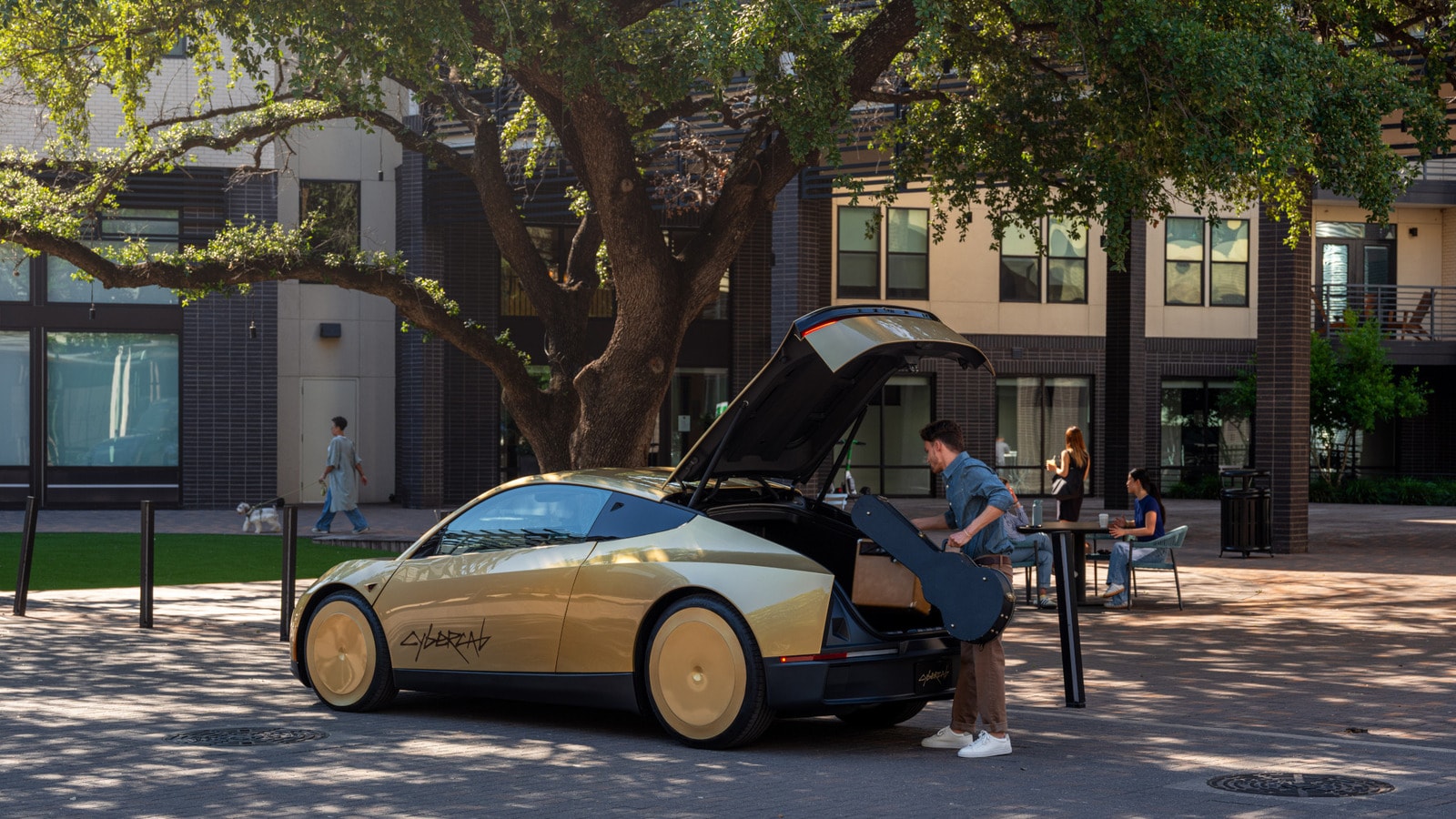
A New Era in Autonomous Transport
Tesla has officially confirmed plans to begin sales of its Cybercab model before the end of this year. During a quarterly earnings call, Lars Moravy, the company’s Vice President of Vehicle Engineering, stated that the goal is to deliver the vehicles to customers. Production is already underway at the Texas Gigafactory, though these units were initially intended solely for the company’s internal robotaxi fleet.
Despite these plans, Elon Musk noted that the majority of Cybercabs will likely remain under Tesla’s ownership, integrated into a company-managed transport network. Initially, the firm is focusing on corporate partners capable of contributing to the development of the robotaxi network.
Technological Challenges and Safety
The Cybercab differs radically from traditional vehicles, as it lacks both a steering wheel and brake pedals. It relies entirely on Tesla’s Full Self-Driving (FSD) software. Currently, only a "supervised" version of the system is available, requiring drivers to remain ready to intervene at all times. Ashok Elluswamy, Tesla’s Director of AI, stated that the launch of "unsupervised" self-driving mode for the robotaxi fleet is planned for the second quarter of 2027.
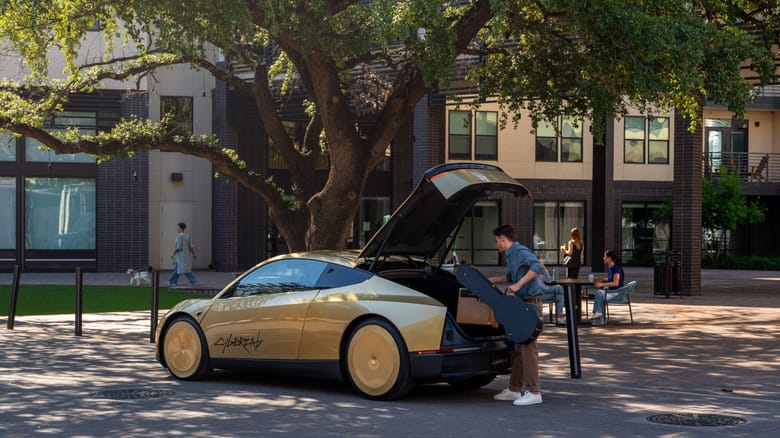
Despite these ambitious goals, the project faces hurdles. The U.S. National Highway Traffic Safety Administration (NHTSA) has launched an investigation into the Cybercab. The agency is reviewing the data and processes Tesla used to self-certify that the vehicles comply with federal safety standards.
What This Means for Consumers
Tesla is already testing the Cybercab, which was announced in 2024, in Austin, where the service is available via the Robotaxi app. The company states that it will scale up sales gradually, once it has gathered sufficient experience in managing the autonomous fleet and collecting user feedback.
While the implementation of such infrastructure remains a distant prospect for users in Georgia, this move is pivotal for the global tech sector. If Tesla succeeds in bringing fully autonomous, steering-wheel-free vehicles to the mass market, it will fundamentally transform not only the concept of public transport but also road safety and driving regulations.