Tesla Semi Expansion: 50 Electric Trucks Headed to Chicago
The 50-unit order marks a major step forward for the company's electric heavy-duty transport ambitions.
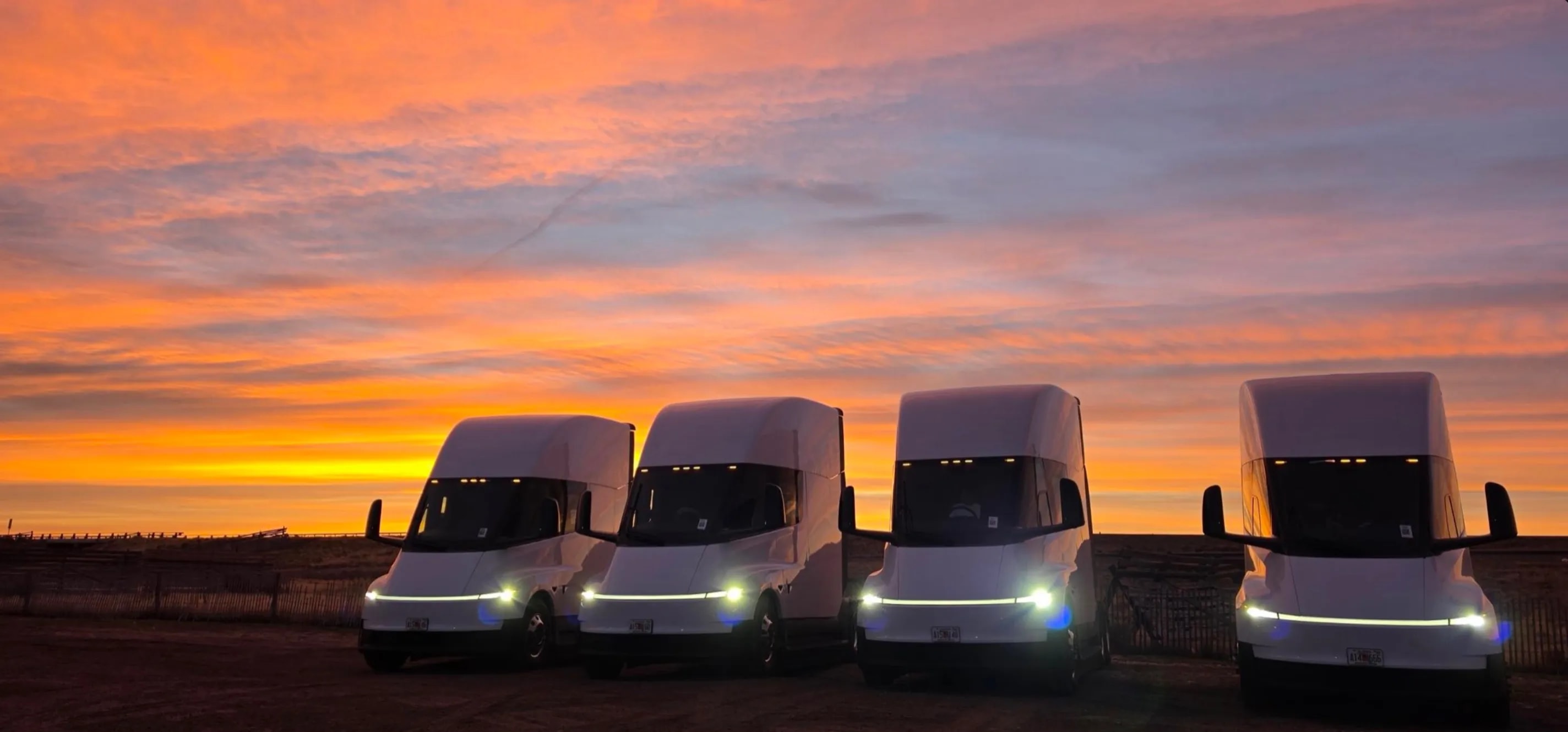
A New Fleet for Chicago
Tesla has officially confirmed the shipment of a new batch of its electric Semi trucks to Chicago. According to information shared by the company on X, the city is set to receive 50 of the electric vehicles. While Tesla rarely discloses specific figures regarding its Semi deliveries, this instance serves as a clear indicator of the company's progress in scaling up its manufacturing capabilities.
Who is the Recipient?
Although Tesla has not officially named the client, reports indicate that the 50-unit order belongs to HMD Trucking, a Chicago-based transport firm. Founded in 1998, this family-owned business currently manages over 650 trucks, the majority of which operate on diesel engines. The deal is valued at approximately $15 million, equating to roughly $300,000 per unit. HMD Trucking has already received its first truck, which has become the first Tesla Semi registered in the state of Illinois.
Production Challenges and Reality
Tesla began large-scale production of the Semi at its Nevada factory this September. The company claims the facility has an annual production capacity of 50,000 trucks, though actual figures remain unclear. Because Tesla’s quarterly reports only combine data for passenger vehicles, assessing the exact pace of Semi production is difficult. While a 50-unit batch is significant, it represents only 0.1% of the company's declared annual capacity.

Nevertheless, demand for electric trucks is growing. Companies such as Einride, WattEV, and IMC Logistics have thousands of Semis on order. In the case of HMD Trucking, it will be interesting to see how the trucks handle Chicago’s harsh winters. The company has already begun developing its own charging infrastructure, as Tesla’s specialized Megacharger network is currently concentrated primarily on the U.S. West Coast.
What This Means for the Sector
This is a critical period for the Tesla Semi. The company is working to prove that the Semi is not merely a niche project but a fully viable business line. Testing conducted this summer demonstrated that the truck's energy efficiency aligns with Tesla’s stated figures of 1.74 kWh per mile. If Tesla can maintain a stable increase in production, we could see thousands of units delivered by the end of the year.
For readers in Georgia and the local logistics sector, this news is significant as it highlights that electric mobility is actively taking root in the heavy-duty transport industry. While implementing such technology in Georgia remains linked to infrastructural challenges, global trends indicate that replacing diesel trucks with electric alternatives is an inevitable process.