Tesla Roadster’s New Promise: Production Set for 2028
After years of missed deadlines, Tesla sets a new target for its long-awaited supercar.
Another Promise or Reality?
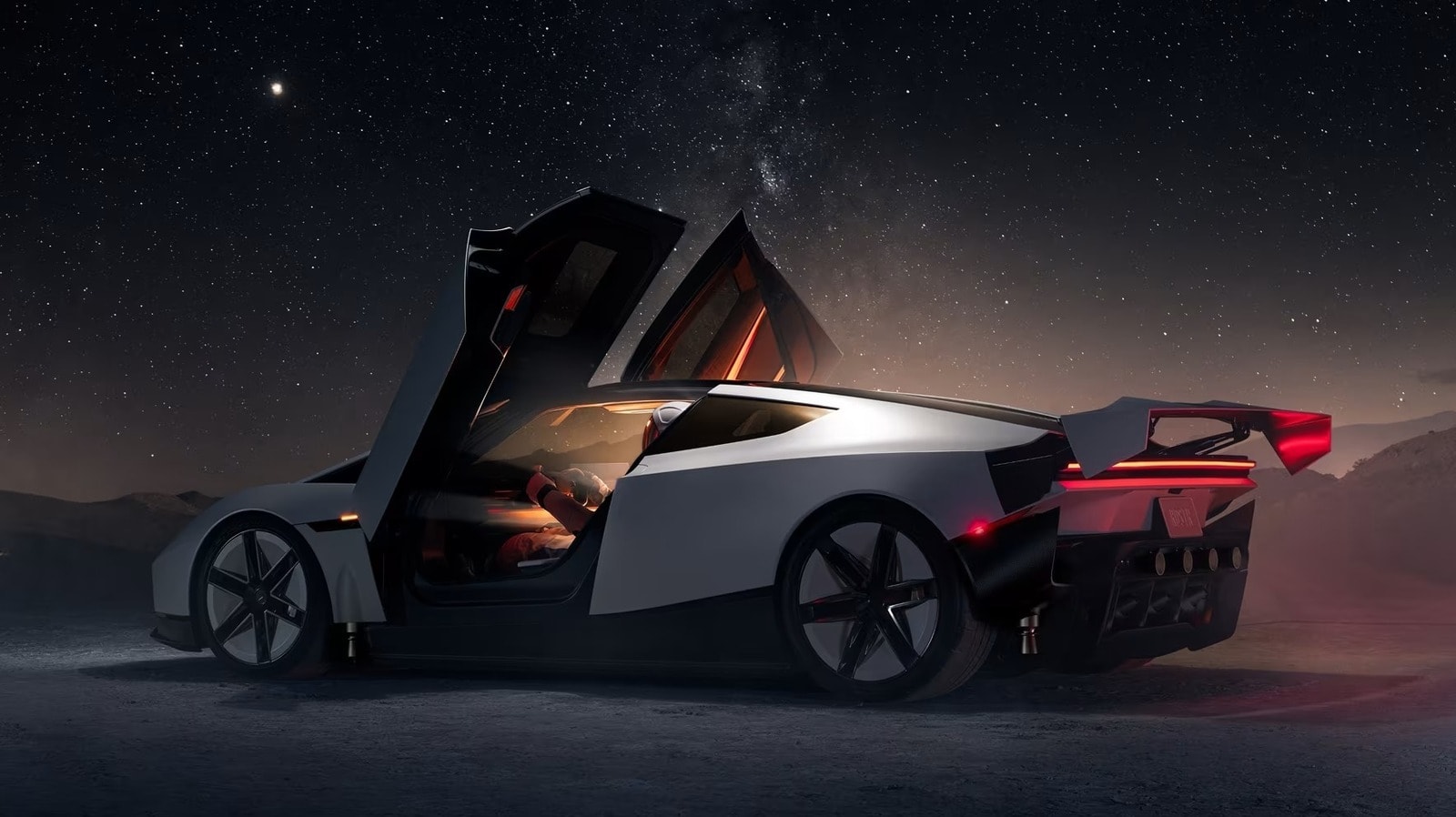
In mid-October, Tesla unveiled an updated version of its Roadster during a high-profile event. The company attempted to dazzle the audience with a unique stunt: a vehicle mounted on a special rig moved upside down before safely landing with the help of rocket thrusters. Elon Musk officially announced that production of the supercar is scheduled to begin in 2028, emphasizing that this time, the promise is "genuinely real."
The new model, specifically the "Thrust" version, will be equipped with cold-gas thrusters. Customers looking to reserve this configuration will need to pay $250,000. However, public skepticism is understandable, as the project has become known as a car that exists primarily "on paper" for years.
A Long and Difficult Road from Presentation to Production
The second generation of the Roadster was first seen in November 2017. At the time, Musk described it as an innovative product that would "smack down" gasoline-powered cars, with a market launch originally planned for 2020. Since then, the company has repeatedly pushed back the deadline, with 2021, 2022, 2023, and 2024 passing without the vehicle reaching production.
Throughout this period, Tesla has accepted pre-orders from customers ranging from $50,000 to $250,000. Many public figures and tech influencers, including Marques Brownlee and OpenAI founder Sam Altman, have publicly expressed frustration over their funds being tied up for years without results. Tesla's reputation has also been affected by Elon Musk's political activities, which have sparked international protest and criticism against the company.
What This Means for the Consumer
Although an electric vehicle equipped with rocket technology is technically impressive, the car's actual arrival on the market remains in doubt. The Roadster is historically significant for Tesla, as the first-generation sports model laid the foundation for the company's success in 2008. However, given the company's current scale, it will be difficult to convince customers that the 2028 plan differs from the failed promises of previous years.
For consumers in Georgia and across the global market, the Roadster serves more as a technological demonstration than a mass-market product. Nevertheless, if Tesla truly manages to bring this vehicle to serial production, it would be further evidence that the company is still capable of pushing boundaries. Until then, the Roadster remains one of the most expensive and uncertain projects in the automotive industry.