Tesla Roadster: The Flying Supercar That Accelerates in Under One Second
From Science Fiction to Reality: Tesla’s Latest Breakthrough
After nearly a decade of anticipation, Tesla has publicly confirmed the capabilities of its next-generation Roadster. During an event in Waco, Texas, the electric vehicle performed feats previously reserved for science fiction films: it achieved flight, moved upside down on vertical surfaces, and accelerated from 0 to 96 km/h (60 mph) in less than one second.
The event functioned more as a spectacle than a traditional product launch. While the company did not disclose pricing, configurations, or a specific release date, Elon Musk noted that serial production is targeted for 2028. Although this timeline has been delayed multiple times, the audience witnessed the main attraction—a Roadster that actually flies.
Technological Marvel or Engineering Experiment
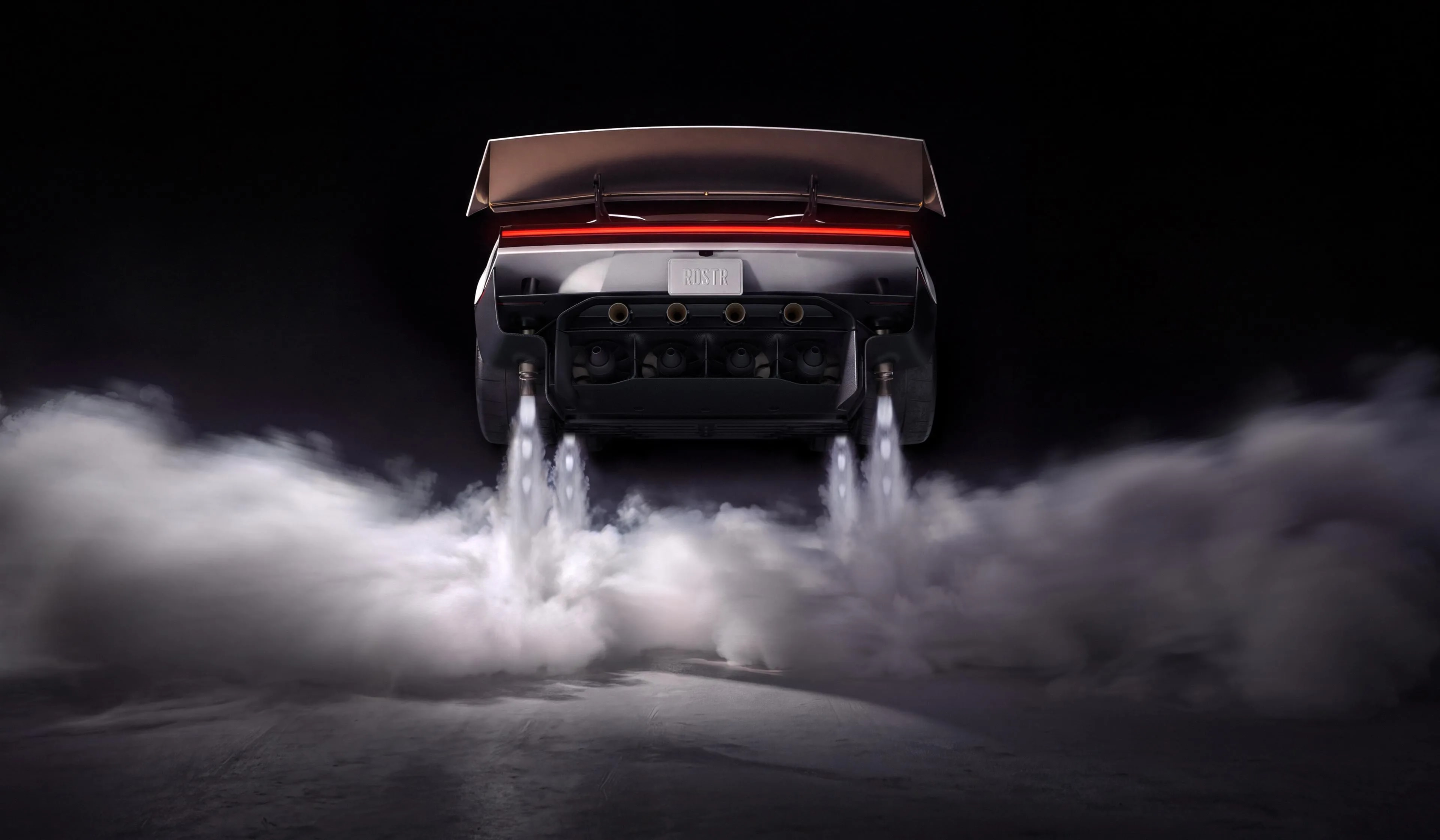
The vehicle’s unique capabilities are the result of a collaboration with SpaceX. The Roadster is equipped with special cold-gas thrusters and a fan-based suction system located on the undercarriage. This system allows the car to defy gravity and "stick" to vertical walls.
For aerial maneuvers, the car features 600-litre air reservoirs filled with approximately 250 kilograms of compressed air. With the help of 10 special nozzles, the Roadster can perform "kick-flips" in the air and navigate complex trajectories. According to Elon Musk, this model is not designed to meet standard safety norms, but it "maximises the fun factor."
The Difficult Road to Serial Production
The history of the Roadster dates back to 2017, when it was first announced as "another surprise." Since then, competitors like the Rimac Nevera and Porsche Taycan have emerged, setting new standards for electric vehicle manufacturers. Tesla has repeatedly postponed the development of its supercar to focus on mass-market models such as the Model Y and Cybertruck.
Questions remain regarding how regulatory bodies, such as the Federal Aviation Administration (FAA), will receive the vehicle. Musk claims it will be a car capable of driving on regular roads, though experts are sceptical about bringing such a complex engineering solution to mass production.
While the Roadster may not be financially critical for the company, it has become a manifesto for the technological symbiosis between Tesla and SpaceX. For automotive enthusiasts and technology fans, this news serves as an intriguing demonstration of future transport, though many regulatory and technical barriers must be overcome before such technology appears on real roads.