Tesla Roadster: The 'Flying' Supercar as a Marketing Spectacle
17 October, 15:182 min read
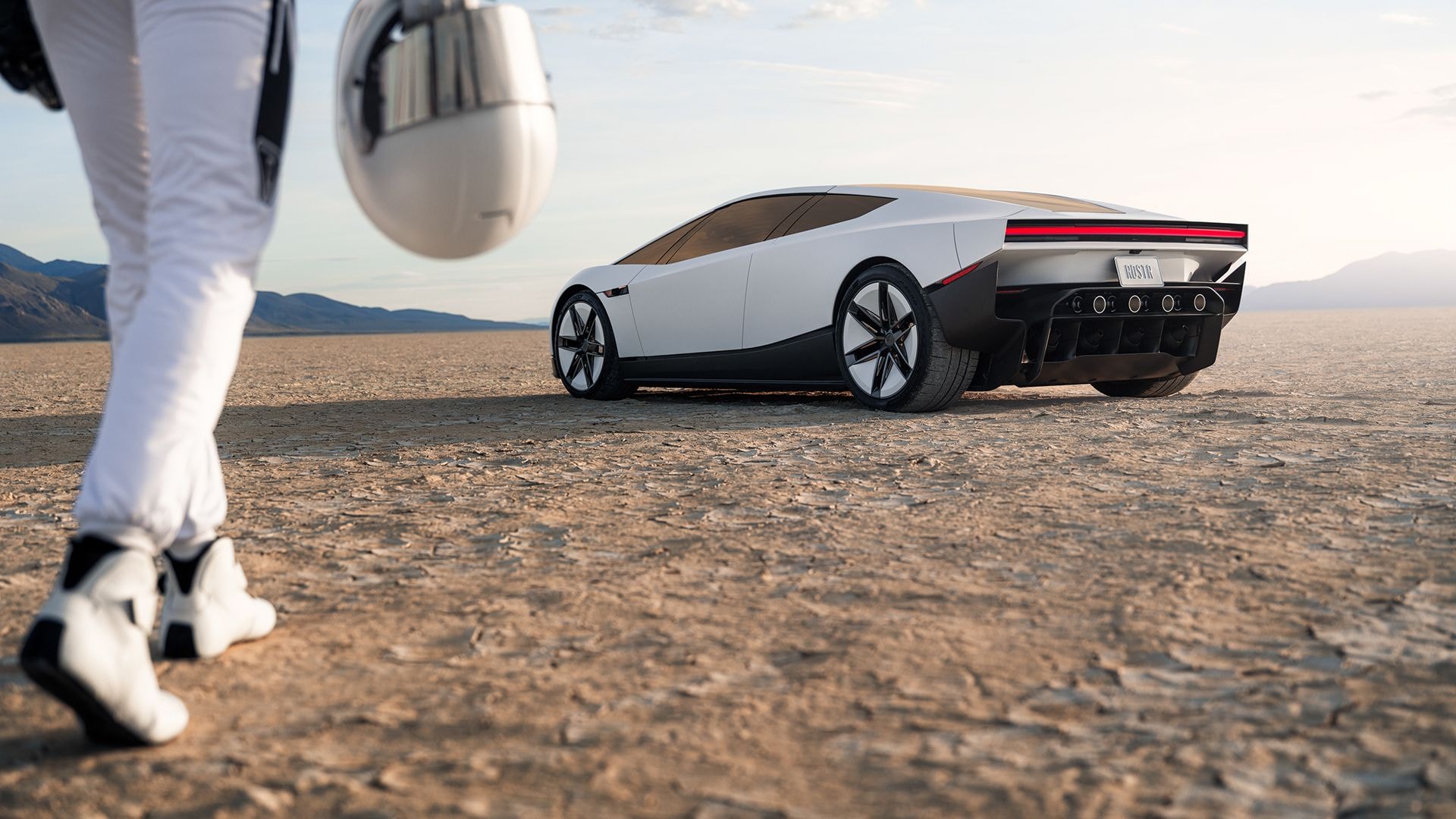
Engineering Marvel or Marketing Gimmick? Tesla has officially unveiled the new Roadster, a vehicle that has kept the company's loyal customer base waiting for nearly ten years. Showcased at an event at the SpaceX test centre in Texas, the model is a far cry from the concept announced a decade ago. While the original plan promised an elegant sports car with a 1,000-kilometre range, today we are looking at a space-age 'flying' machine. The vehicle is equipped with cold-gas thrusters that allow for short bursts of flight. During the demonstration, the car successfully lifted off and landed softly using SpaceX technology. Lars Moravy, Tesla's vice president of engineering, noted that the special thrusters even allow the car to perform a manoeuvre the company calls a 'kickflip'. ## Practical Value and Lingering Questions While the technology is undeniably impressive, the primary question remains: what is the purpose of it all? The new 'Rocket' model of the Roadster, fully equipped with the thruster system, will be sold exclusively via special invitation. This means Tesla retains control over who is granted access to such extreme technology. Experts suggest this event was more of an engineering flex than a commercially sound move. There is a prevailing view that Elon Musk is using this to bolster the idea of a potential synergy between Tesla and SpaceX, thereby stimulating investor interest. Market analysts argue this is a classic attempt to overshadow traditional automakers, with little real-world impact on the mass electric vehicle market. ## Is Tesla Falling Behind? While Tesla focuses on futuristic spectacles, competitors—particularly Chinese brands—are making tangible technological progress. BYD is developing ultra-fast charging, Nio is refining innovative battery-swapping systems, and Geely is focusing on Level 4 autonomous driving technology. Meanwhile, Tesla's product line remains limited. Aside from the Cybertruck, which is produced in small numbers, the company relies heavily on the Model 3 and Model Y. The new Roadster, which produces 1,350 horsepower, offers a range of only 480 kilometres on a single charge. For many, after a ten-year wait, this figure is disappointing. Ultimately, Tesla's new strategy—focusing on robots and 'flying' cars—leads many to believe the company is trying to distract from its core challenge: a weakening grip on the electric vehicle market. For those following the growing EV sector, this event remains a fascinating technological show rather than the future of practical, accessible transport.