Tesla Roadster 2: A Flying Leap or Marketing Gimmick?
Tesla has demonstrated its new Roadster 2, with the car covering a short distance in the air. But is it a true flying vehicle?
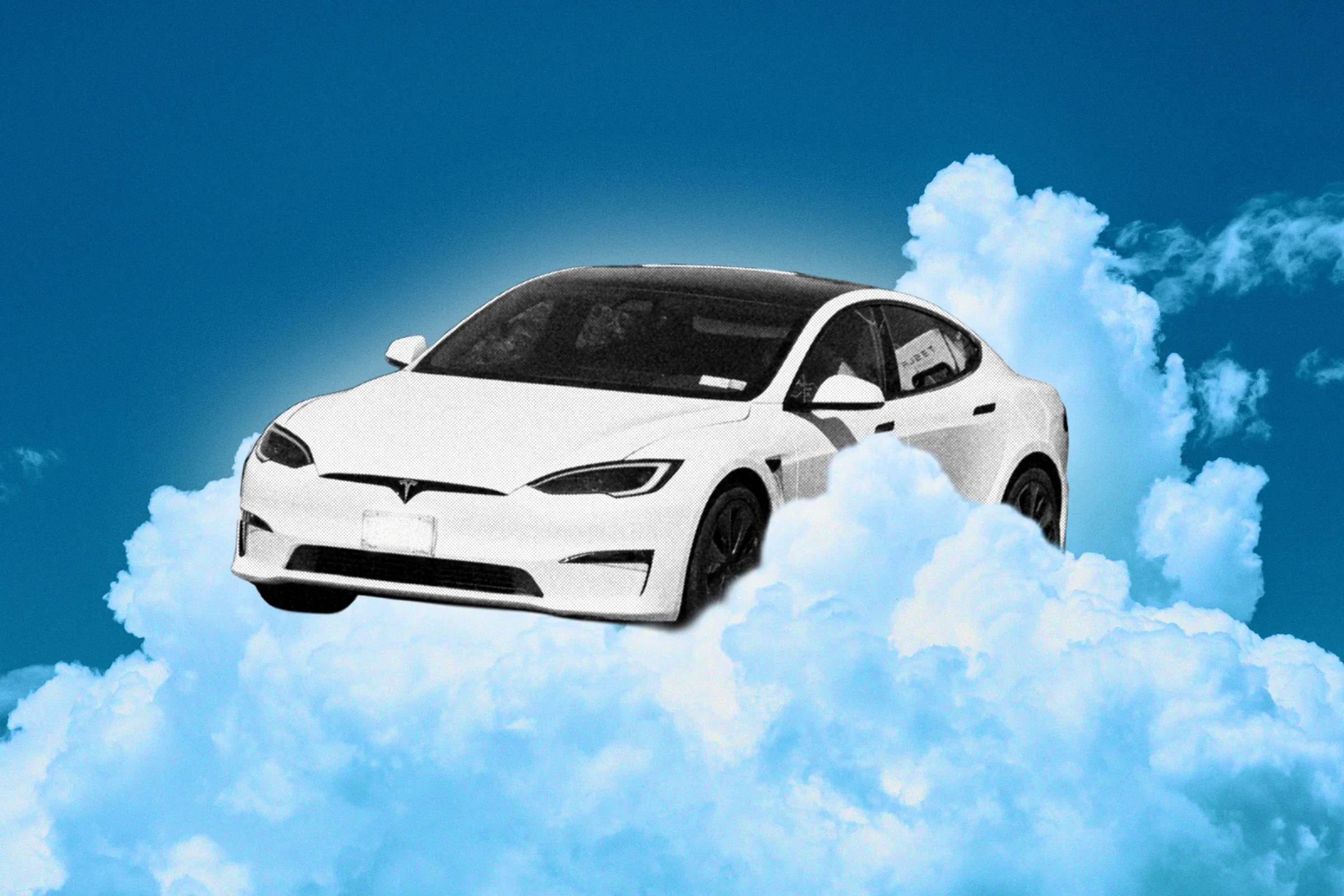
The long-held dream of flying cars may have taken a step closer to reality, though not in the way science fiction fans once imagined. At the SpaceX rocket testing facility in Texas, Tesla demonstrated its new-generation Roadster 2. During the event, the vehicle managed to traverse several dozen metres through the air without a driver. ## A Difficult Path to the Skies Despite the impressive spectacle, experts are urging caution. Aviation specialists note that any vehicle capable of leaving the ground immediately falls under strict regulatory oversight. According to the U.S. Federal Aviation Administration (FAA), any aircraft exceeding a certain weight requires mandatory certification—a process experts predict will take at least a year. Furthermore, operating the Roadster will likely require more than a standard driver’s licence; owners would need to obtain an amateur pilot’s certificate. ## The Conflict of Physics and Law Tesla CEO Elon Musk has acknowledged that the vehicle might not be legal in all jurisdictions and is not currently optimised for standard safety regulations. The core issue lies in physics: a car requires structural rigidity and weight for safety, whereas in aviation, weight is the primary enemy. Engineers are struggling to balance the durability of a road car with the lightness required for flight. Moreover, there are significant infrastructural barriers. Under American law, take-offs and landings are restricted to designated airfields or vertiports. Consequently, taking flight directly from a public road will likely remain legally impossible. ## The Future of the Project Despite the scepticism, engineers admit that if Tesla manages to bring this vehicle to mass production, it would be a triumph of engineering. Serial production of the Roadster 2 is planned for 2028, though its price remains unknown. Currently, the global industry is more focused on the development of eVTOLs (electric vertical take-off and landing aircraft) designed to bypass urban traffic. For now, it remains unclear whether we will see the Roadster in real-world traffic or if it will remain an experimental prototype restricted to large, private estates. While this technology may seem like a distant prospect for drivers in Georgia, it clearly illustrates the direction in which the automotive industry is heading.