Tesla Found Liable for Fraud in Solar Roof Legal Battle
The court ruled that the company treated a customer's home as an unauthorized testing ground for its complex energy technology.
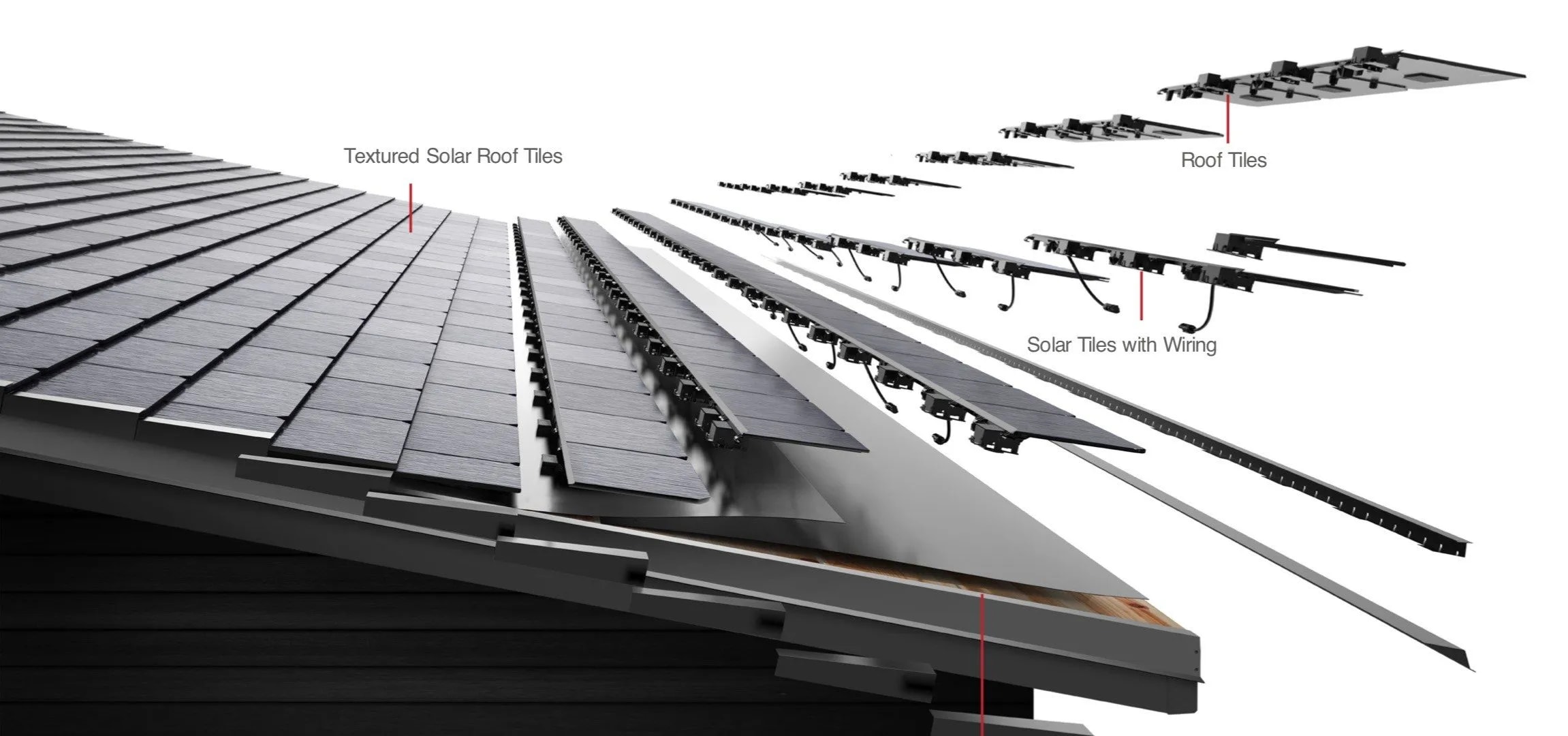
A California court has found Tesla guilty of fraud and negligence in an ongoing legal dispute. The case centres on the installation of a Solar Roof, which the plaintiff alleges the company used as an "experiment." The court’s ruling became increasingly severe after Tesla repeatedly refused to produce essential internal documentation and evidence required for the proceedings.
A Failed Project and an "Experiment"
According to case details, a client residing in Rancho Santa Fe signed a contract in 2020 for a $110,000 system, which included an 18.2 kW roof and six Powerwall energy storage units. To date, the roof remains incomplete, has not passed inspection, and has not generated a single kilowatt-hour of electricity. The plaintiff claims that rectifying the damage will cost more than $2.5 million, while Tesla offered only $5,000 in compensation.
The trial revealed that internal Tesla communications referred to the project as an "experiment." Company engineers acknowledged that the roof was of an extremely complex construction and was being used to test whether Tesla could execute projects of any difficulty. During this process, project managers were frequently changed, and the work itself was plagued by technical flaws, including fire-hazardous wiring and broken tiles.

Court Sanctions and Tesla’s Stance
Judge Cynthia Freeland fined Tesla twice for withholding evidence, yet the company still failed to produce the requested materials. Consequently, the court ruled that Tesla’s actions were intentional. Specifically, the company concealed Microsoft Teams chats, correspondence with inspectors, and internal safety reports.
Tesla is currently attempting to appeal the court’s decision, claiming the sanctions are excessive. Company representatives maintain that all necessary documents have been submitted. However, the judge noted that the delayed information only strengthens the plaintiff’s argument that Tesla was aware of its lack of experience and turned the customer’s home into a testing ground.
What This Means for Consumers
Tesla officially discontinued its Solar Roof project earlier this year, but this decision did not resolve problems for existing customers. This case clearly illustrates the risks associated with adopting new technologies when a company avoids responsibility. For those interested in solar energy systems, this incident serves as a reminder of the importance of choosing reliable and experienced contractors to avoid similar technical and legal nightmares.