Tesla Cybercab Orders Open: What You Need to Know About the New Vehicle
Limited Capabilities and Extra Costs
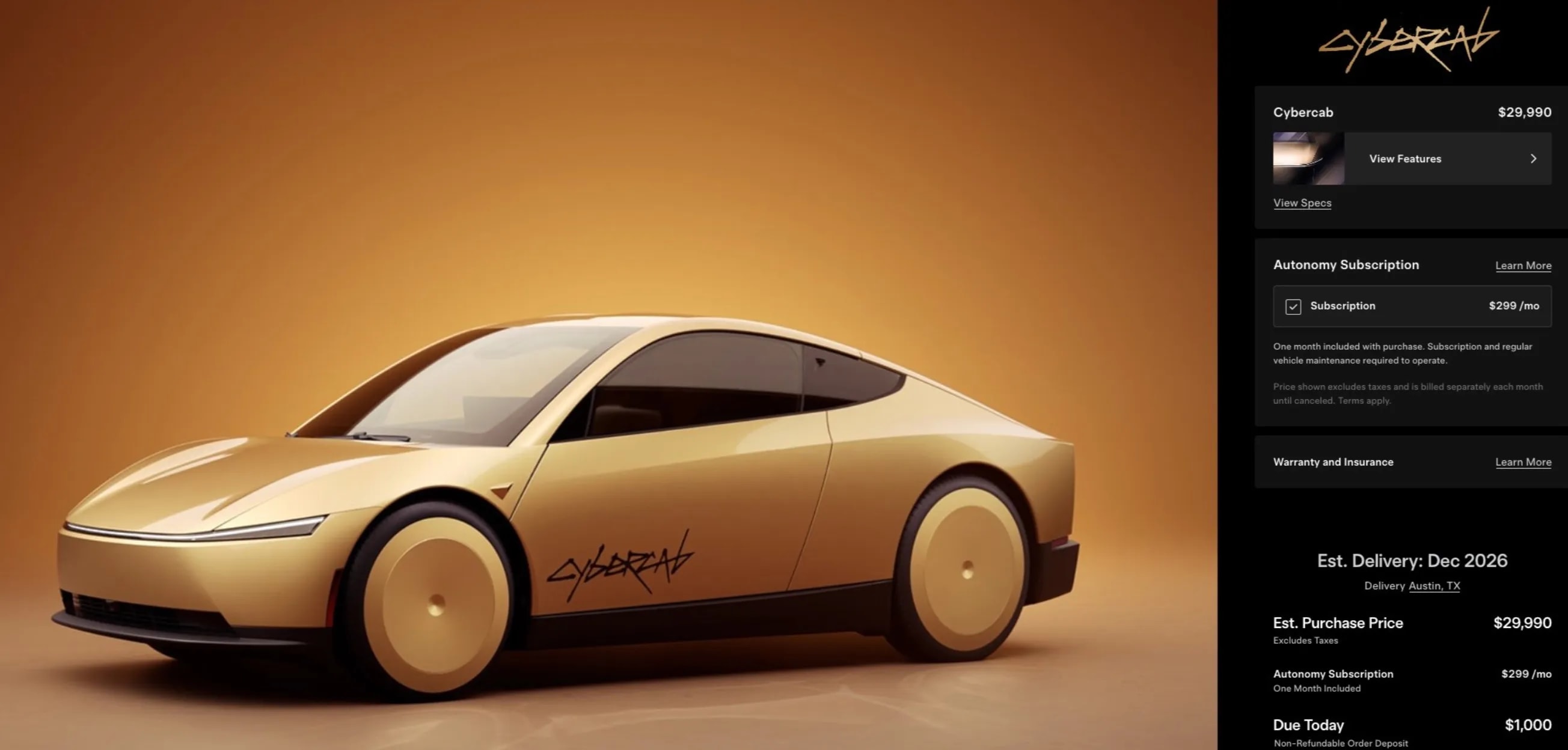
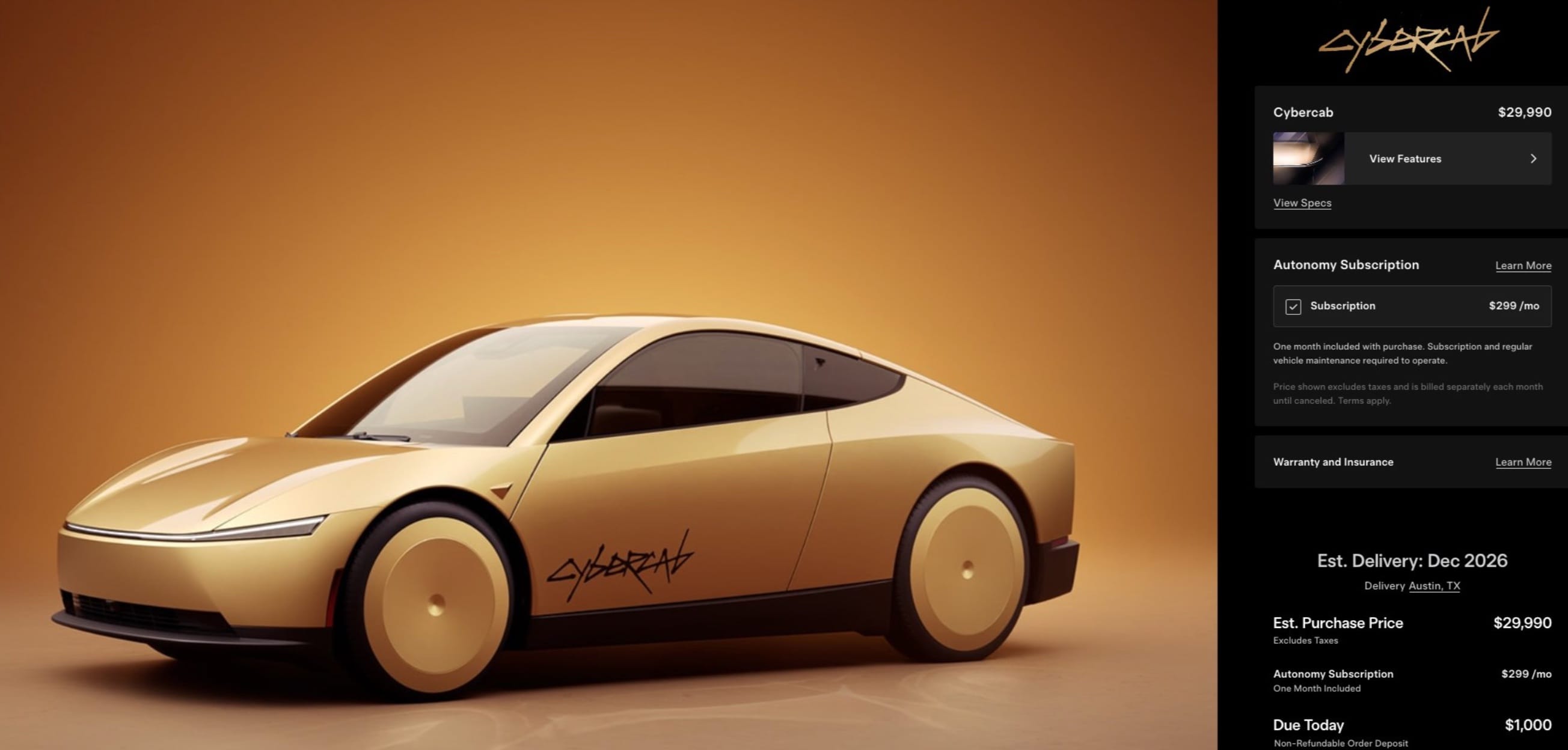
Tesla has officially opened orders for the Cybercab to select customers. While the company has announced a price of $29,990, this figure does not cover the full cost of ownership. To operate the vehicle, owners must pay a mandatory $299 monthly 'Autonomy Subscription.' This requirement is automatically selected in the ordering system.
The Cybercab is a two-seater vehicle that lacks both a steering wheel and pedals. It is operated entirely via a mobile application. Although Tesla labels it as 'fully autonomous,' the vehicle's functionality is strictly limited to specific geographic zones. Currently, it only operates in eight cities across Texas and Florida, including Austin, Dallas, and Miami.
Geographic Barriers and Technical Challenges
Independent observations suggest that the service zones announced by Tesla are smaller in practice than those shown in official advertisements. In some cities, the vehicle can only navigate up to 60% of the advertised territory. Complex road infrastructure, such as railway crossings, presents a challenge; the system avoids these obstacles, which significantly extends travel times.
Furthermore, there are regulatory hurdles. The U.S. National Highway Traffic Safety Administration (NHTSA) has requested evidence from Tesla that a vehicle without a brake pedal meets federal safety standards. While the company has submitted documentation, it has declined to make it public, meaning a final decision on the matter remains pending.
Is the Cybercab Worth the Price?
Financially, a $30,000 vehicle will cost the consumer approximately $47,600 over five years when accounting for the monthly subscription fee. This amount excludes insurance, maintenance, and charging costs. Critics point out that Tesla already offers the Model Y, which is built on the same technological base and operates in the same zones, yet the 'full autonomy' feature is not yet available to owners of that model.
Ultimately, the Cybercab currently appears to be more of an experimental product than a mass-market vehicle. Owners must accept that their car will only function within specific zones, remaining unusable elsewhere. For readers in Georgia, where such services are not yet available, this news serves as an interesting indicator of autonomous technology development, though many questions remain regarding its practical application.