Taurids: Why This Meteor Shower Is So Special
Managing Expectations and the Art of Observation
Observing a meteor shower often leads to disappointment for those who approach the process with mathematical precision. If an astronomical forecast promises 20 meteors per hour, you might not see a single one for half an hour. This is precisely the charm of the Taurids—it teaches us not to count the number of "shooting stars," but to enjoy the beauty of the night sky.
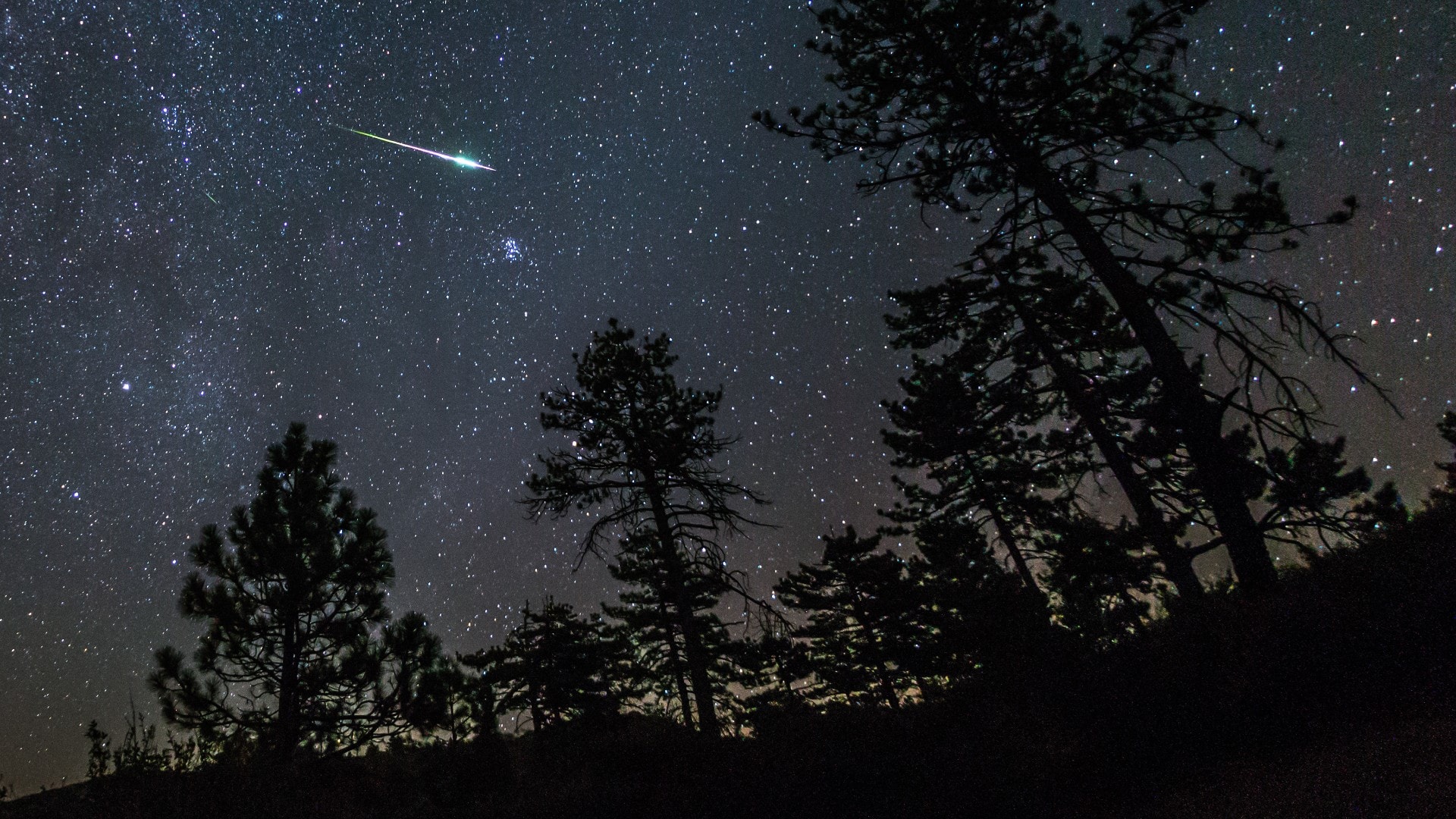
The peak of the Northern and Southern Taurids occurs in early November, specifically on November 4-5 and 11-12. Under ideal conditions, it is possible to see only 5 meteors per hour. However, the main characteristic of this stream is not the quantity, but the nature of the meteors; they enter Earth's atmosphere relatively slowly, at a speed of 29 kilometres per second, which often leads to the appearance of very bright meteors, known as fireballs.
How to Best Observe the Sky
The best time for observation is late evening and throughout the night, as the constellation Taurus rises high in the eastern sky. Although the radiant point of the meteors—the spot from which they appear to originate—is in the constellation Taurus, they can be seen in any part of the sky. This year, conditions are favourable for observation, as the night sky will be quite dark due to the new moon on November 9.
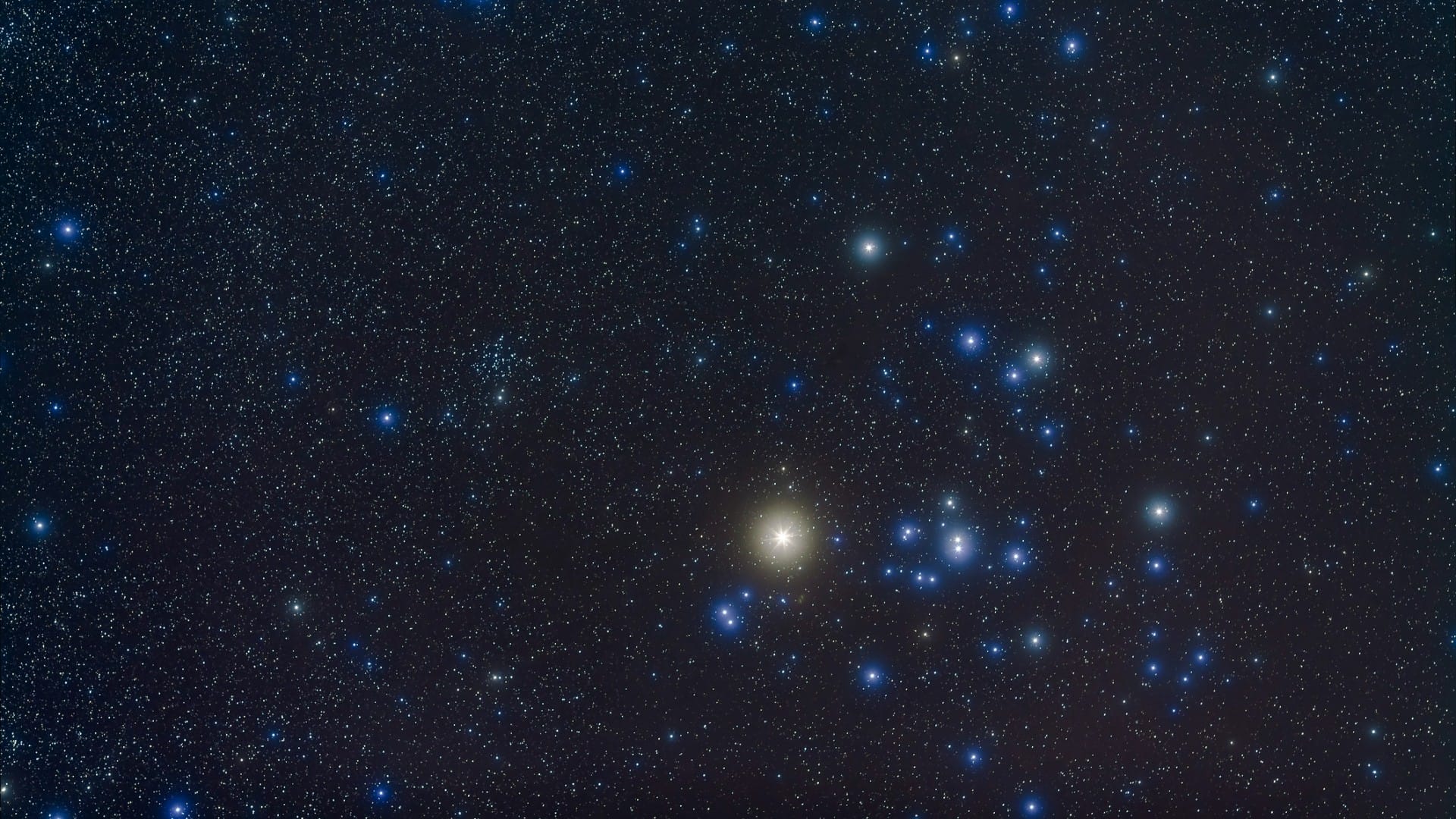
Professional observers recommend not limiting yourself to just waiting for meteors. This period is perfect for viewing objects such as the Pleiades star cluster or the bright star Aldebaran located in the constellation Taurus. If you head out into your garden or leave the city, you do not need to travel to total darkness; the bright Taurid meteors are clearly visible even from less-than-ideal conditions.
Where Do These Meteors Come From?
The history of the Taurid stream is quite impressive. It is associated with comet 2P/Encke, which completes a rotation around the Sun in just 3.25 years. This is the comet with the shortest known orbital period in the solar system. Scientists believe that the Taurid meteor complex was formed as a result of the fragmentation of a large object that occurred thousands of years ago.
Although this stream does not offer a massive shower of meteors, it gives us a reason to go outside and observe the universe. Astronomy is, after all, based on patience and readiness for the unknown events that the sky offers. In these November days, as the nights grow longer, the Taurids are the perfect excuse to look away from our screens for a while and turn our gaze to the stars.