Student Sets New Speed Record With Homemade Jet-Powered Drone
The project, developed in a university dorm, has even caught the attention of the U.S. Department of Defence.
Engineering in a Dorm Room
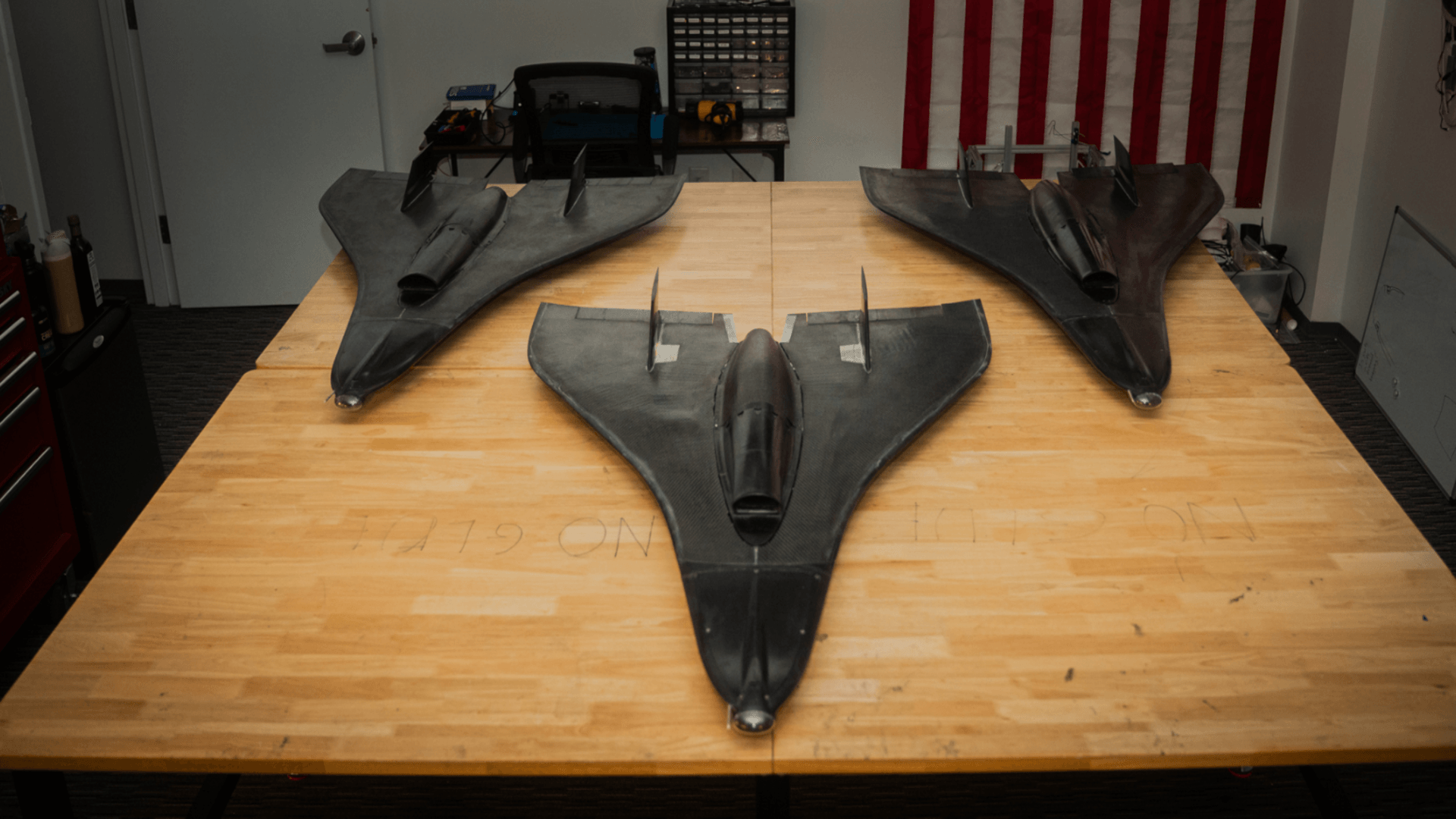
Tomas Salvo, an aerospace engineering student at Georgia Tech, has independently designed and built an experimental jet-powered drone dubbed the Reaper. According to the young inventor, the aircraft reached speeds of 491 mph (approximately 790 km/h) during test flights. If independently verified, this result surpasses the 465 mph (748 km/h) record set by German pilot Niels Herbrich in 2017.
Salvo began working on the project in February 2025. He constructed three working prototypes in his university dormitory, all of which produced identical results. Each unit can maintain its maximum speed for four minutes. During flight, the drone carried a 1.2-kilogram payload, a technically impressive feat.
Technological Specifications
The Reaper’s construction blends advanced materials with modern technology. The drone utilizes a 250-newton turbojet engine, featuring a 3D-printed titanium exhaust pipe and a custom-engineered air intake system. The fuselage is molded from carbon fibre, while internal components were fabricated using laser-cutting methods.
The aircraft can launch from a specialized rail system or a platform mounted on a truck. Within 20 seconds of takeoff, the drone reaches an altitude of 2,000 metres. At maximum speed, its operational range is 50 kilometres. The entire project cost the student approximately $13,000, which he funded through personal savings.
Pentagon Interest and Future Plans
The student's achievement has captured the attention of the U.S. Department of Defence. Prescott Paulin, head of the Pentagon’s Mission Capabilities team, has publicly invited Salvo to visit the department. This indicates that such "garage-built" innovations are generating significant interest within the military sector.
Salvo’s ambitions do not end here. He plans to refine the drone to surpass the 500 mph (804 km/h) threshold. Furthermore, the young engineer intends to compete for the "Boom Prize" established by Boom Supersonic. This competition offers an $800,000 reward to anyone who can break the speed of sound (Mach 1) with a radio-controlled aircraft. However, the competition rules are strict, requiring that the craft not be rocket-powered and lack corporate funding. While Salvo’s current results are impressive, he must still achieve supersonic speeds to contend for the grand prize.