Steam Launches Personal Calendar for Tailored Game Recommendations
Valve's latest tool helps players navigate new releases with personalized daily suggestions.
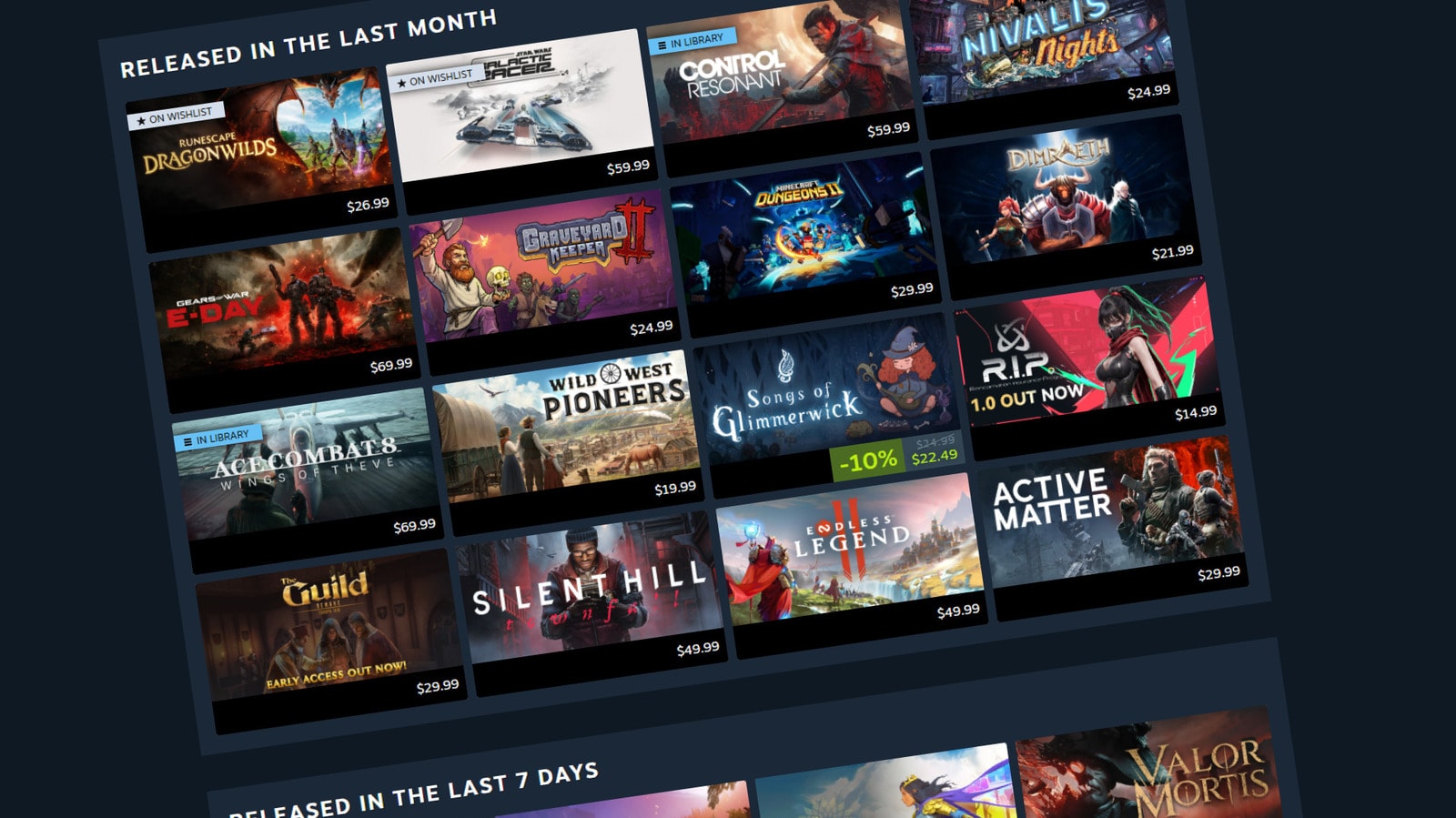
A New Way to Discover Games on Steam
A significant update has arrived on the Steam digital storefront. Valve has officially introduced a feature called the "Personal Calendar," which allows players to track new releases that align with their specific interests more easily. This tool is designed to bridge the gap between popular trending titles and niche projects that cater to an individual user's preferences.
How the Algorithm Works
The new feature is not merely a list of random games. According to Valve, the system analyzes the projects a user has played recently, the time spent in them, and their "Wishlist." Crucially, the algorithm only considers games where the user has invested significant time. If you only try a game for a few minutes, it will not influence your recommendations.
The system continuously learns and compares your profile to the experiences of other players with similar tastes. As a result, the calendar updates daily, though users will primarily notice significant changes at eight-week intervals or when new games are officially announced.
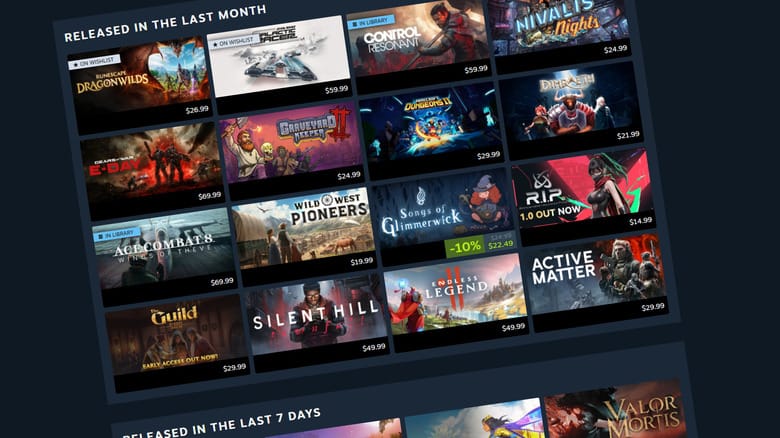
Steam Labs Success and Storefront Updates
It is worth noting that the "Personal Calendar" was tested within Steam Labs for several months. The experimental phase showed positive results: on average, users click on more than 2,000 different games through this calendar within a 24-hour period. This statistic indicates that the feature effectively helps players discover content they find interesting.
This move is part of Valve's broader strategy to improve the Steam storefront interface. Many players have complained for years about the store's clutter and navigation difficulties. This year, the store underwent a visual refresh, adding an improved search menu and a categorization system that makes finding desired products easier.
For users in Georgia who actively use Steam, this change means less time searching and more time gaming. As digital libraries continue to grow, such personalized tools are becoming a decisive factor in ensuring we do not miss out on developments in the gaming industry that interest us.