Starship Flight 15: The Spacecraft Reaches Orbit
A New Era for Spaceflight
SpaceX’s Starship, widely considered the most powerful and largest spacecraft in human history, has achieved another significant milestone. The 15th test flight, launched from Starbase in Texas, was a success: the rocket reached orbit and effectively deployed 26 Starlink V3 satellites into space. This mission further confirms that Starship is evolving into a fully operational orbital launch vehicle.
The launch took place under ideal meteorological conditions. The first stage performed flawlessly, after which the upper stage executed an orbital manoeuvre using its Raptor engines. This marks the second time the company has successfully placed Starship into low Earth orbit.
Technical Challenges and Safety Measures
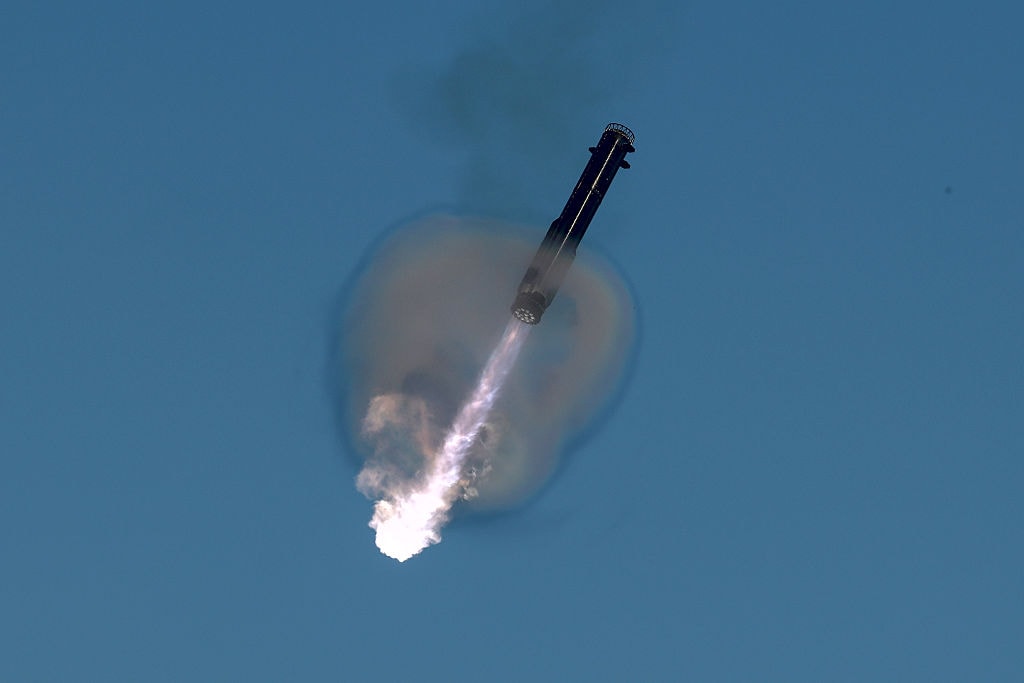
Despite the overall success, the first part of the mission did not go entirely to plan. SpaceX intended to recover and reuse the first-stage booster; however, due to unspecified technical reasons, the vehicle could not land at the designated site. Consequently, the control system directed the rocket toward the Gulf of Mexico, where it impacted the water, resulting in a significant explosion.
The company’s focus has now shifted to the recovery of the upper stage. This will be a historic attempt, as SpaceX has never performed such an operation before. The procedure requires the rocket to be in perfect condition to avoid any risks while flying over populated areas. If the vehicle passes all remaining tests, its landing in Texas is scheduled for Saturday afternoon, local time.
Heat Shields and Reusability
One of the primary challenges in Starship’s development is the heat shield, which must protect the craft from extreme temperatures during atmospheric re-entry. SpaceX is continuously refining the tile design to make them lighter and more durable. Based on data from previous flights, this iteration features additional fasteners and specially curved tiles designed to reduce heat penetration through the gaps between them.
SpaceX’s ultimate goal is to create a fully and rapidly reusable Starship system. A successful return will provide the company with invaluable data regarding how the vehicle behaves during re-entry. While SpaceX’s direct services in Georgia are currently limited to Starlink, the rapid advancement of space technology is directly linked to the future of global internet and satellite communications, which impacts the country as well.