Spain's Opposition Uses AI-Generated Deepfakes in Election Campaign
The use of deepfake technology by the People's Party has triggered a heated debate over ethics and disinformation in Spanish politics.
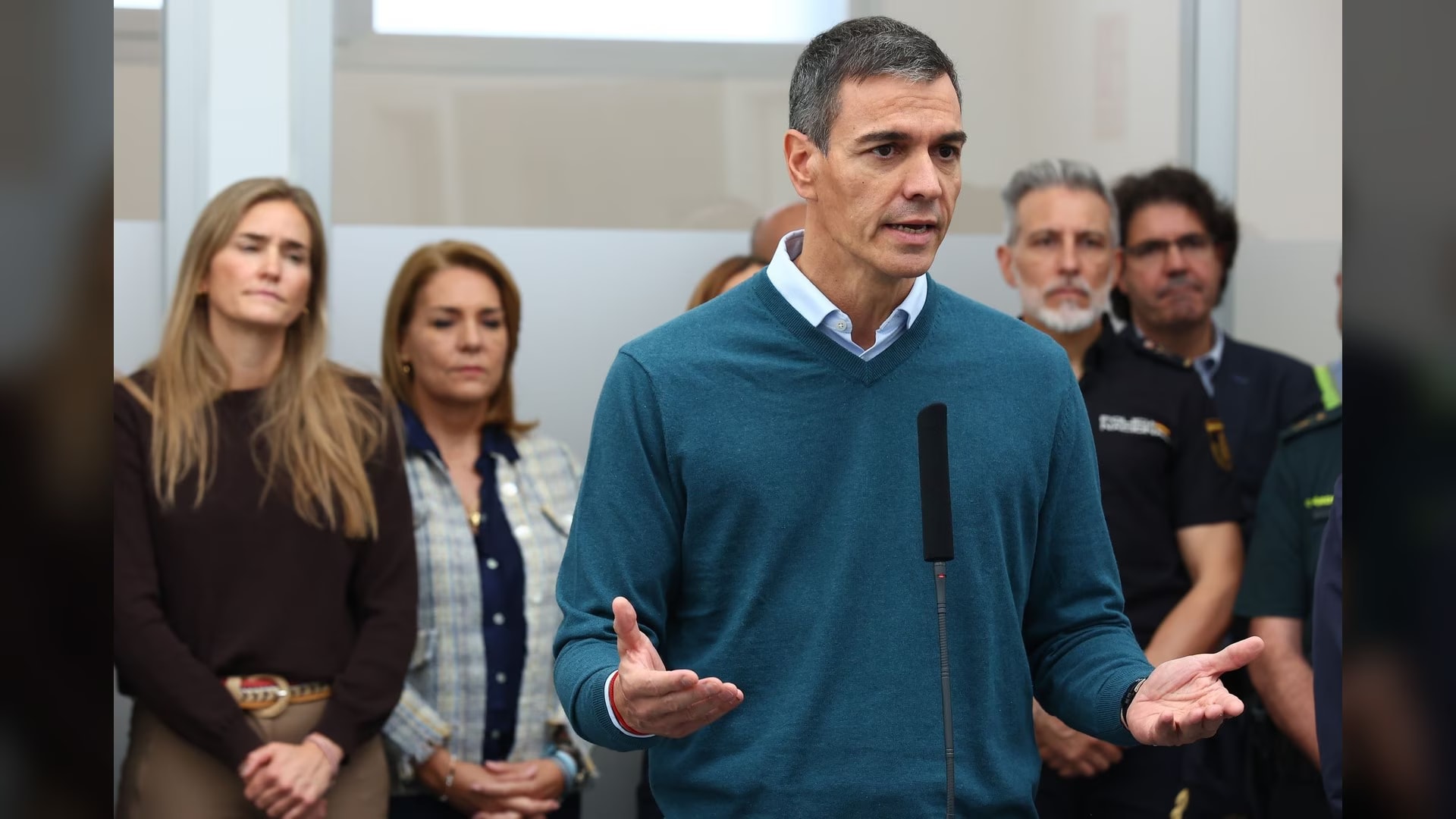
As Spain approaches its general election on November 29, political tensions have shifted into the digital realm. The country's primary opposition group, the People's Party (PP), released a video on X that was created entirely using artificial intelligence and deepfake technology. The footage depicts digital replicas of members of the ruling Socialist Party and Begoña Gómez, the wife of Prime Minister Pedro Sánchez, appearing to "confess" to various crimes and misconduct.
AI in Political Debate
The video, posted on October 21, garnered nearly 2 million views within days. The scenarios presented are based on ongoing investigations, though the individuals involved have categorically denied any wrongdoing. Representatives of the opposition party claim the video was not intended to mislead voters, but rather served as a form of satire designed to highlight the "double standards" of the Socialists.
However, government officials have strongly condemned the move. Spain’s Minister for Digital Transformation, Óscar López, described the video as a "colossal lie." He argued that for citizens unfamiliar with the capabilities of AI, distinguishing reality from simulation is difficult, creating a dangerous precedent for political processes. One of the individuals featured in the video has already filed a lawsuit alleging defamation and digital identity theft.
Legal and Ethical Boundaries
Expert opinion on the legality of the video remains divided. Some legal professionals note that because the video includes a small disclaimer regarding the use of AI and maintains a satirical tone, it does not technically break the law. Conversely, academics argue that the issue transcends legal definitions. Researchers have labelled the move a "red line," noting that spreading false information using someone else's likeness is a classic example of disinformation.
The situation in Spain is not the first instance of politicians employing or battling deepfake technology. Similar trends have been observed in Brazil, Italy, and the United Kingdom, where technology giants and regulatory bodies have begun implementing measures to combat such content. The events in Spain serve as a reminder that digital security and information verification are becoming critically important for voters during election cycles.
Ultimately, this case raises significant questions regarding the influence of technology on democratic processes. Regardless of the outcome of the legal proceedings, the Spanish example serves as a global reminder that in the age of artificial intelligence, political campaigns are facing new, and often unwelcome, challenges.