SpaceX Successfully Catches Starship with Mechazilla Arms
A historic milestone in the space industry: SpaceX has successfully caught a Starship vehicle using the specialized Mechazilla tower.
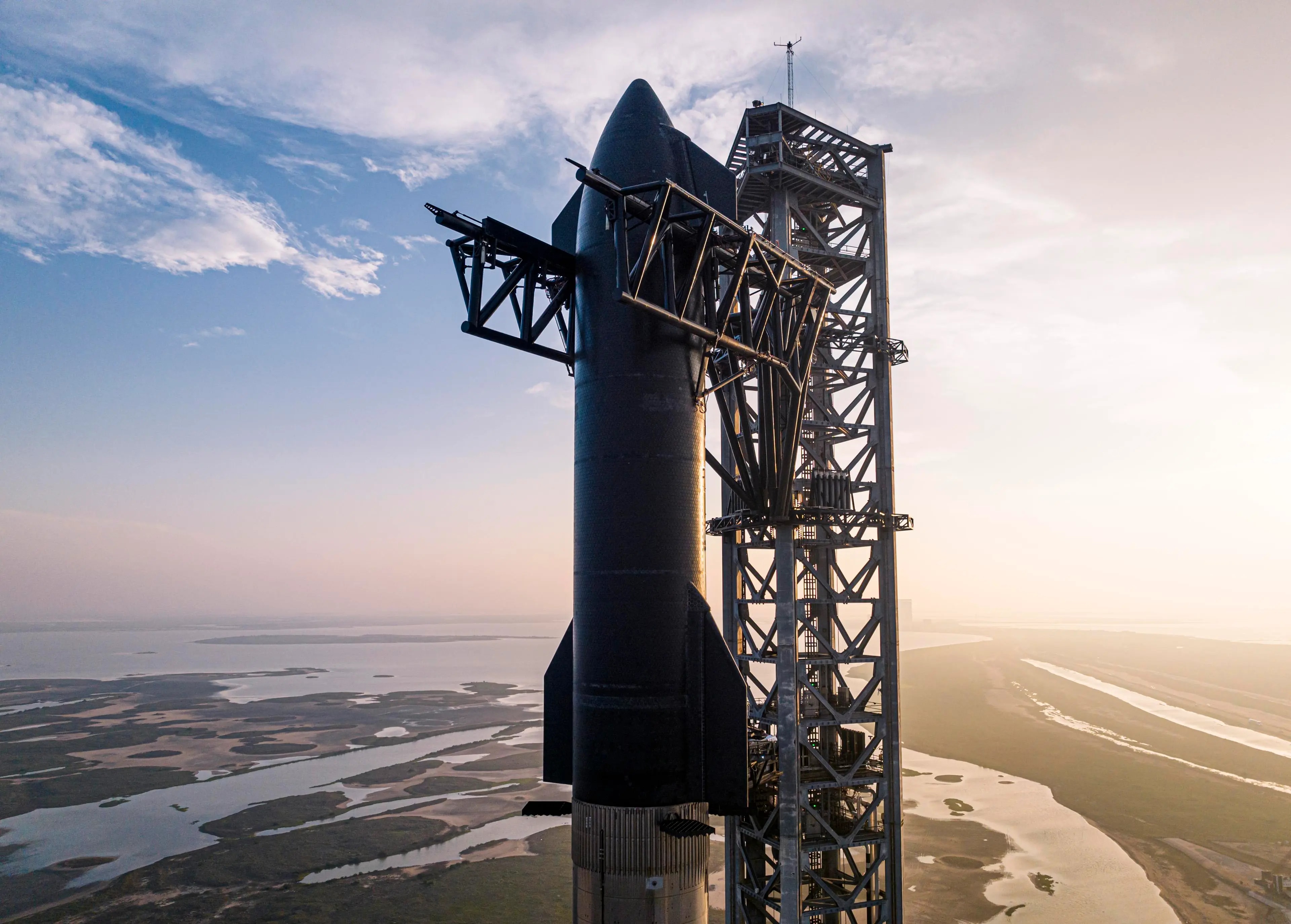
A New Era for Space Technology
SpaceX has elevated the concept of reusable spacecraft to a new level. The company’s massive launch and capture tower, known as Mechazilla, has successfully caught a Starship vehicle in mid-air for the first time. This maneuver, often referred to as the "chopstick" method, stands as one of the most complex and ambitious operations in the history of spaceflight.
While SpaceX has previously demonstrated the ability to catch Super Heavy boosters, this marks the first time the Starship vehicle itself has been secured with such precision. This achievement is particularly significant given that the company encountered certain technical challenges during the flight.
Flight Details and Challenges
The Starship mission was not a complete triumph. Although the capture of the vehicle was successful, the booster did not return to its intended location. At a certain point in the flight, the system aborted the landing process, resulting in the rocket exploding over the Gulf of Mexico. SpaceX engineers are currently analyzing telemetry data to determine the cause of the incident.
Company CEO Elon Musk noted during a pre-flight briefing that success is never guaranteed in such complex missions, though every attempt is crucial for the program's development. Despite the loss of the booster, the successful capture of the vehicle confirms that the engineering path chosen by SpaceX is correct and that the technology is maturing.
Implications for the Future
Footage of the Starship capture is striking: the vehicle emerges from the clouds, stabilizes into a vertical position, and settles perfectly between the giant "arms" of Mechazilla. This process, which concluded at approximately 16:20 local time, brings us closer to the rapid refurbishment and relaunch of spacecraft.
For those following space technology, this event signals that humanity is nearing an era of cheaper and more frequent space missions. Reusable systems that do not require sea landings or complex recovery operations will radically transform the process of space exploration. Despite individual setbacks, the Starship program continues to advance rapidly toward its goals of Mars missions and lunar colonization.