SpaceX Starship: The Most Powerful Spacecraft in Human History
The Scale of a Space Giant
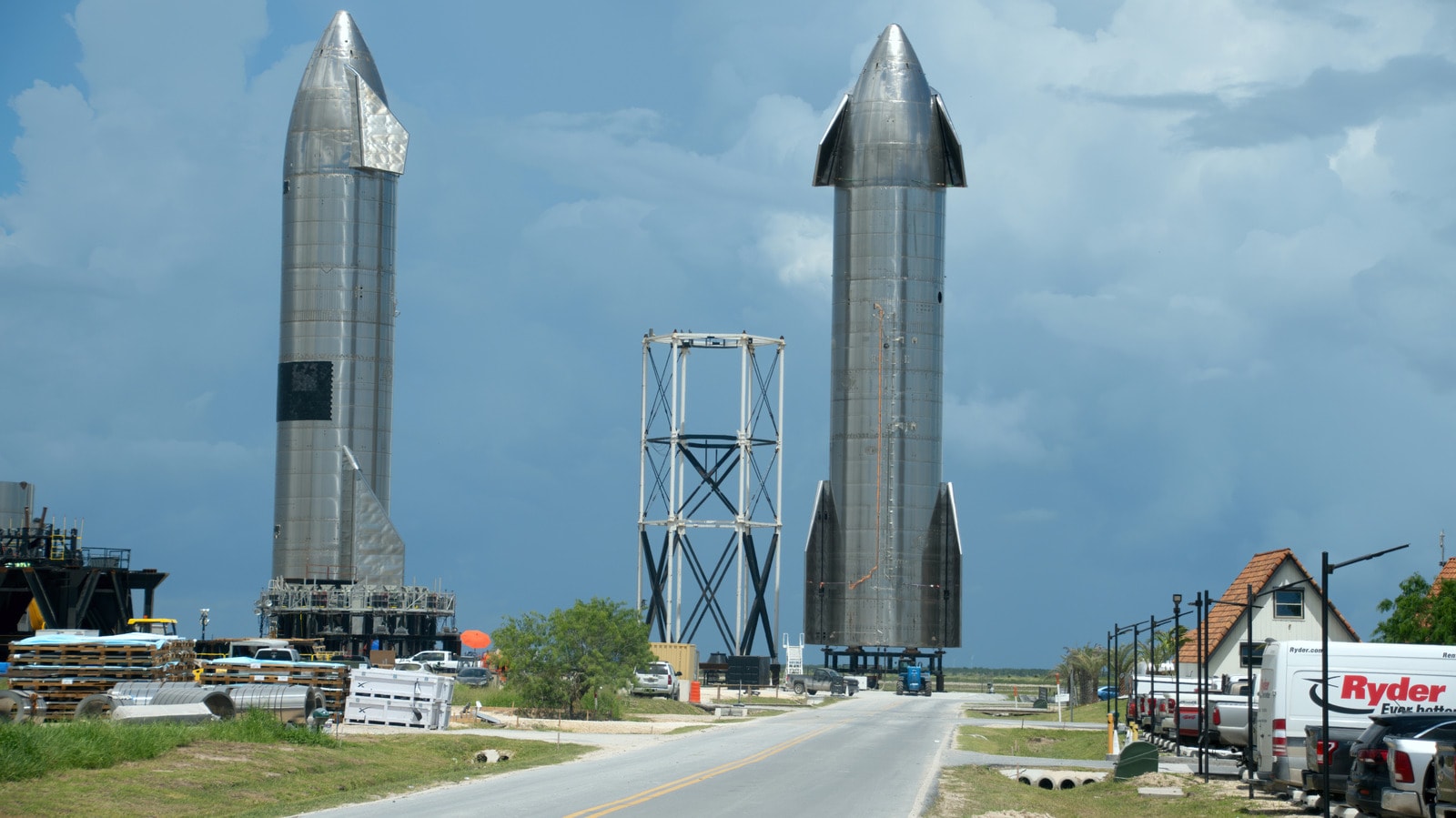
SpaceX’s Starship is more than just another spacecraft; it is an engineering feat that surpasses all its predecessors in both size and power. When fully assembled, the rocket stands at 124 metres (407 feet), making it taller than the famous Hyperion tree or the Statue of Liberty including its pedestal. The rocket is distinguished not only by its height but by its engine power, producing 18.1 million pounds of thrust at liftoff.
The system is divided into two primary sections: the 72-metre Super Heavy booster and the 52-metre Starship spacecraft. The main mission of the Super Heavy is to propel the rocket out of Earth's atmosphere, a task it achieves using 33 Raptor engines. By utilising liquid methane and liquid oxygen as fuel, the structure generates enough energy to transport heavy payloads into space.
Comparison and Technological Advantage
For comparison, NASA’s Space Launch System (SLS) generates a maximum of 9.4 million pounds of thrust, which is nearly half of Starship’s capability. Such immense power is necessary not only to overcome gravity but to lift the 5,250 metric tonnes of fuel the system consumes in total. The primary goal for SpaceX is the full reusability of the system; the company plans for both the booster and the spacecraft itself to be suitable for multiple uses.
The Moon Mission and the Refuelling Challenge
Despite its immense power, even Starship has limitations. For instance, to participate in NASA’s lunar missions, the craft will require refuelling in Earth’s orbit. This process is technically complex: a special fuel depot will first be sent into orbit, followed by fuel-laden “tankers,” and finally the lunar lander itself.
Ultimately, astronauts will reach orbit via NASA’s Orion spacecraft, where they will dock with the waiting Starship. This craft will then transport them to the lunar surface and back. Storing and transferring cryogenic, or extremely cold, fuel in space is the primary technical challenge that SpaceX and NASA are currently tackling together.
What This Means for Georgia
Although space launches do not take place directly from Georgia, the Starship project defines the future of global internet and telecommunications. The ability of SpaceX to carry large quantities of cargo into orbit is directly linked to the development of the Starlink network, which is already available in Georgia. Technological progress in this field means faster, more stable, and accessible internet anywhere in the world, including in high-mountain regions.