SpaceX Starship Completes Latest Mission: 22 Hours in Orbit
The spacecraft successfully reached orbit and deployed 26 next-generation Starlink satellites.
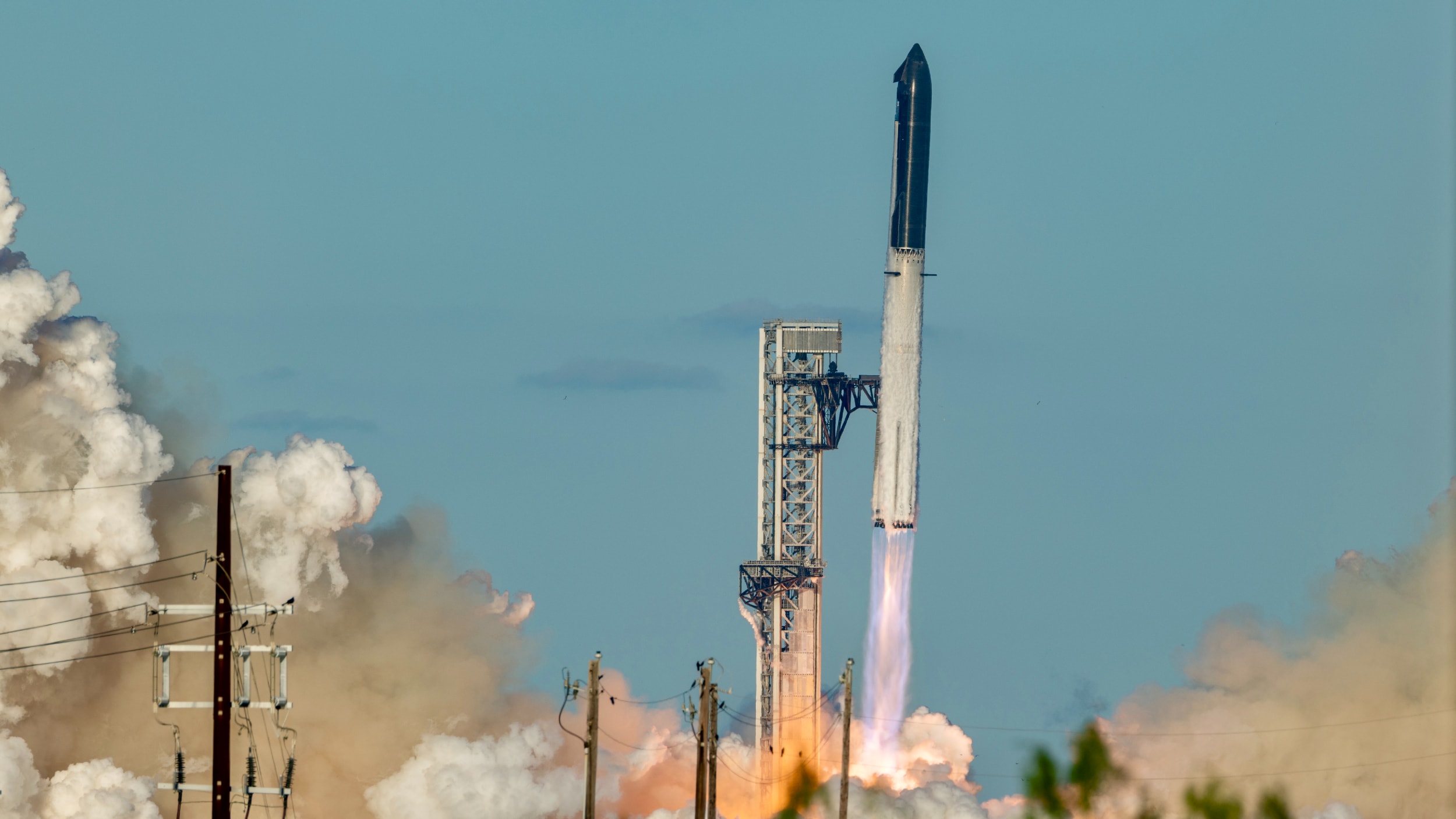
SpaceX has successfully completed the fifteenth test flight of its Starship programme. On 13 November, the massive rocket launched from the Starbase facility in Texas, proceeding as planned toward Earth's orbit. This mission is particularly ambitious, as the company intends for the upper stage of the ship to spend over 22 hours in space to test a unique re-entry procedure.
Technical Details and Achievements
The Super Heavy booster and the Ship upper stage launched without issue. Approximately 2.5 minutes after liftoff, the stages successfully separated. Although SpaceX had planned to catch the Super Heavy using its mechanical "chopstick" launch tower arms, this procedure was not performed this time. For reasons not yet specified, the company opted to land the booster in the Gulf of Mexico in a controlled descent.
The ship successfully reached Low Earth Orbit (LEO) at an altitude of approximately 275 kilometres. This marks the second time in Starship's history that it has achieved orbital space. During the mission, 26 Starlink V3 satellites were deployed. These new-generation units significantly outperform their predecessors and will add one terabyte of data throughput capacity to the SpaceX network.

Why This Mission Matters
Full and rapid reusability of Starship is the primary goal for SpaceX. According to the vision of company founder Elon Musk, the goal is to conduct up to 10,000 launches per year by 2030. This scale is necessary to maintain the massive Starlink network and future orbital data centres. Furthermore, Starship's reliability is critical to NASA's Artemis programme, which intends to use the vessel to transport astronauts to the Moon.
The ship is currently scheduled to orbit the Earth 14 times. Three of the satellites are equipped with special cameras to monitor the mission and assess the condition of the thermal shield. If all systems function correctly, SpaceX will attempt to return the ship to the launch site, which would be a historic event for the space industry.
For users in Georgia, this progress is significant in terms of improving global internet accessibility. Deploying more powerful generations of Starlink satellites increases the network's capabilities, ultimately ensuring more stable and accessible high-speed internet anywhere in the world, including in mountainous and remote regions.