SpaceX Plans Unprecedented Mid-Air Catch of Starship Upper Stage
The company is pushing the boundaries of reusability with its 15th Starship test flight.
A Historic Attempt in the Space Industry
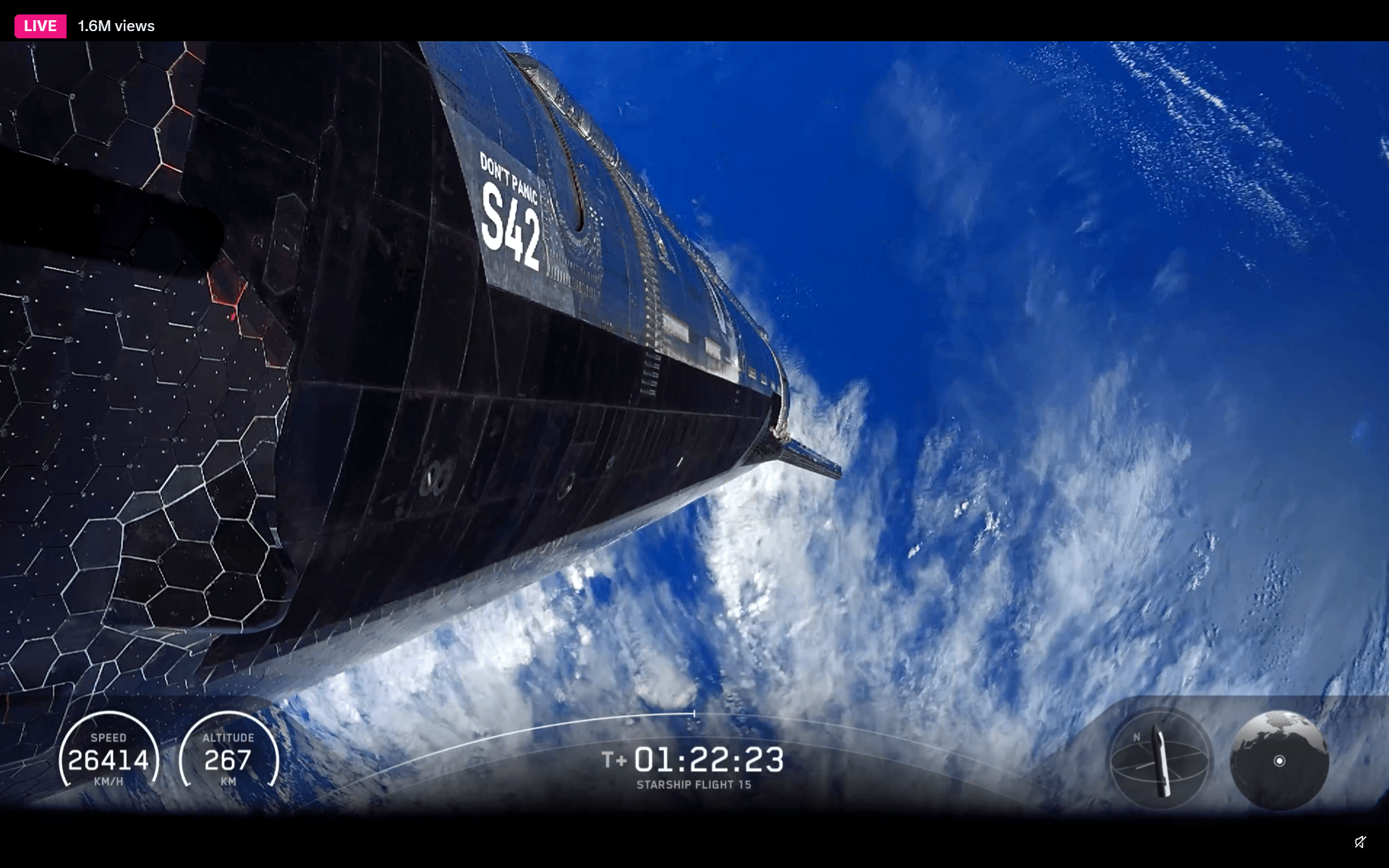
SpaceX is approaching another significant milestone in aerospace technology. The company plans to catch the Starship upper stage, known as the Ship, using specialized 'chopstick' arms mounted on the launch tower. This operation, scheduled as part of the 15th test flight, will mark the world's first attempt to recover an upper-stage rocket in this manner.
The current mission launched on November 13 from Starbase in Texas. While the initial plan involved catching both stages of the rocket, the company opted for a controlled splashdown of the Super Heavy booster in the Gulf of Mexico for reasons that remain undisclosed. Nevertheless, the attempt to catch the upper stage remains on the table; experts view this as a decisive step toward refining rapid rocket refurbishment and reusability technologies.
Why This Matters
Fully recovering Starship is a core component of SpaceX's long-term strategy. The company aims to maximize the frequency of space launches; the faster a rocket can be returned, inspected, and relaunched, the more efficient space logistics become.
During the current mission, Starship successfully deployed 26 next-generation Starlink V3 internet satellites into low Earth orbit. This project is part of a much larger SpaceX initiative to create a network of up to 100,000 satellites. Furthermore, Elon Musk envisions the implementation of the 'Starmind' concept—an orbital network of AI-managed data centres that could eventually include up to one million spacecraft.
Risks and Expectations
SpaceX engineers note that a successful 'chopstick' catch is not guaranteed. If any deviations or technical inconsistencies appear in flight data, the company will immediately abort the attempt, just as it did with the Super Heavy booster.
Although the operation is complex and high-risk, SpaceX maintains that such tests are essential for the future of spaceflight. If today's attempt is unsuccessful, the company will likely try the maneuver again during the next launch. For space enthusiasts following the industry, this event serves as further proof that rocket reusability and the development of a space-based economy are no longer science fiction, but a current reality.