SpaceX Launches Another Batch of Starlink Satellites
The company is shifting its focus toward the Starship program as it prepares to phase out its workhorse Falcon 9 rocket.
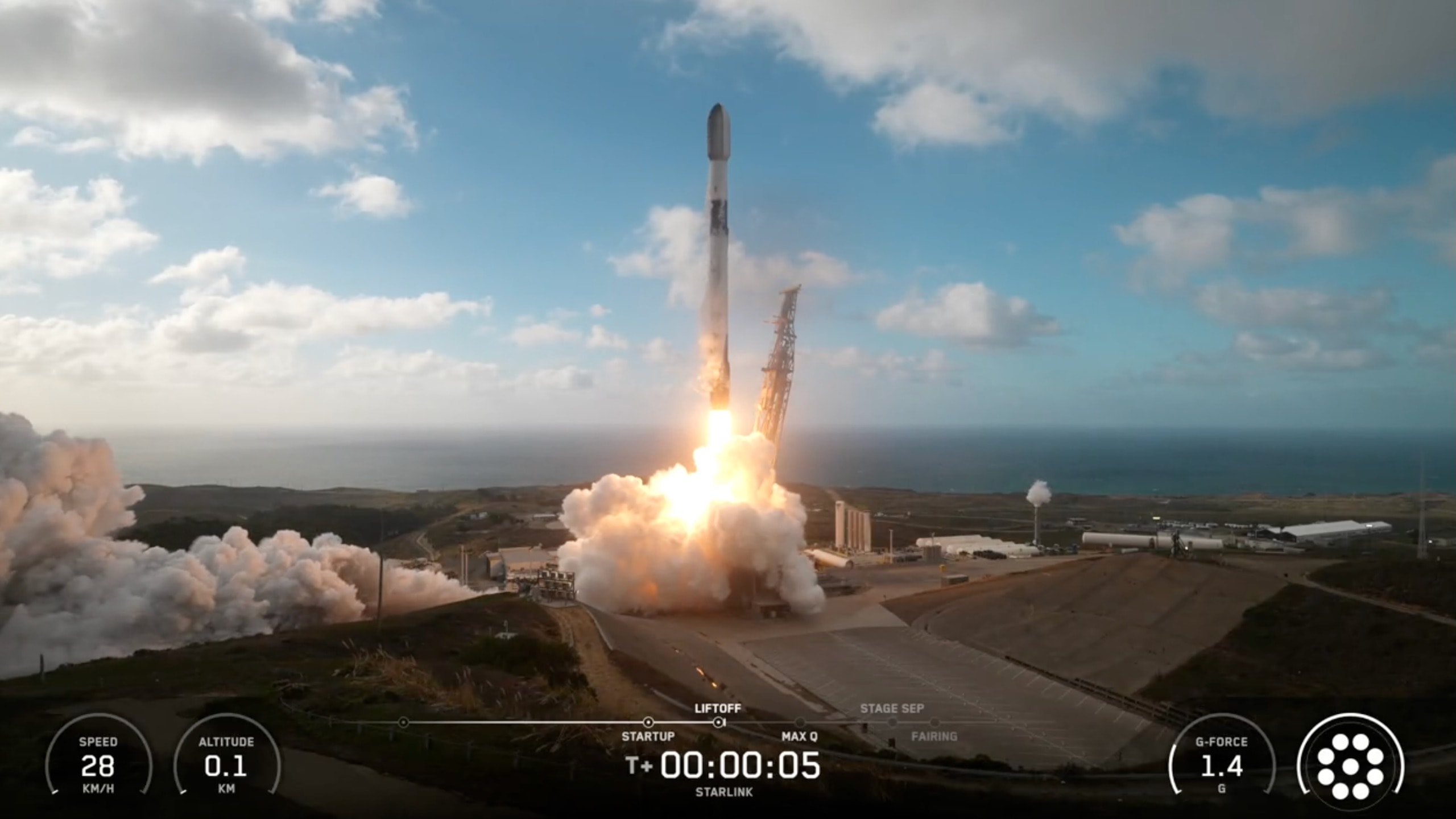
SpaceX has launched a Falcon 9 rocket from Vandenberg Space Force Base in California, deploying 27 new Starlink communication satellites into low Earth orbit. This mission aims to expand the company's growing satellite constellation, which now comprises over 11,000 active spacecraft.
A Successful Return for a Veteran Rocket
The first-stage booster involved in the launch, designated B1063, completed another successful flight. This rocket is considered a veteran of the space industry, with 36 launches and landings to its name. Notably, this same booster carried out NASA’s historic DART mission in 2021, which aimed to alter the trajectory of an asteroid.
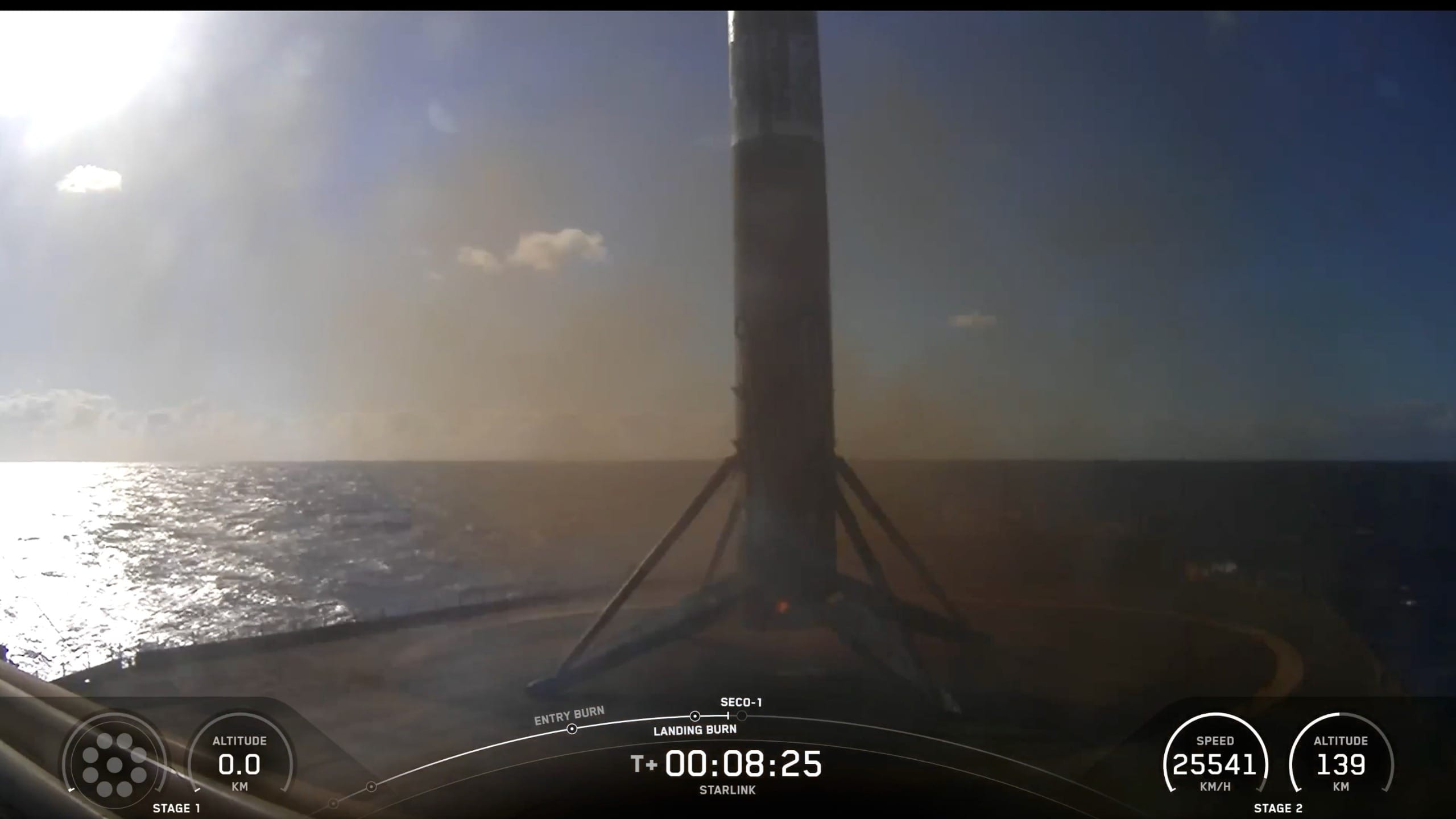
Approximately eight minutes after liftoff, B1063 successfully landed on the SpaceX autonomous droneship, 'Of Course I Still Love You.' The second stage continued its journey, beginning the deployment of the satellites into their planned orbit 62 minutes after launch.
Slowing Pace and a New Strategy
Although today's mission was successful, statistics show that the frequency of Falcon 9 launches is decreasing. While Starlink missions previously occurred every two to three days, the interval has recently increased significantly. This marks the 116th launch of 2026, yet the annual total is unlikely to exceed 150, falling short of the record 165 launches seen in 2025.
The primary reason for this shift is SpaceX's strategic pivot toward the Starship program. The company plans to gradually replace the Falcon 9 and its heavy-lift variant, Falcon Heavy, with a new generation of fully reusable rockets. The Starship cargo bay is designed for larger, third-generation Starlink satellites that cannot be accommodated by the Falcon 9.
What’s Next for Starlink?
This year has been a turning point for the company. At Cape Canaveral in Florida, the use of Falcon 9 for Starlink missions has officially ended. Experts suggest a similar fate awaits the California launch pads. Although Starship remains in the testing and development phase, integrating it into operational flights remains SpaceX’s top priority.
For users in Georgia who rely on Starlink services, these changes do not have an immediate impact, but they do signal a transition toward replacing the global network with more powerful and efficient technology. The path chosen by SpaceX confirms that the future of space-based internet depends not just on launching more satellites, but on upgrading them with significantly larger and more powerful platforms.