SpaceX Launches 27 New Starlink Satellites on Halloween
The company continues to expand its global satellite network with another successful Falcon 9 flight.
Another Successful Mission from California
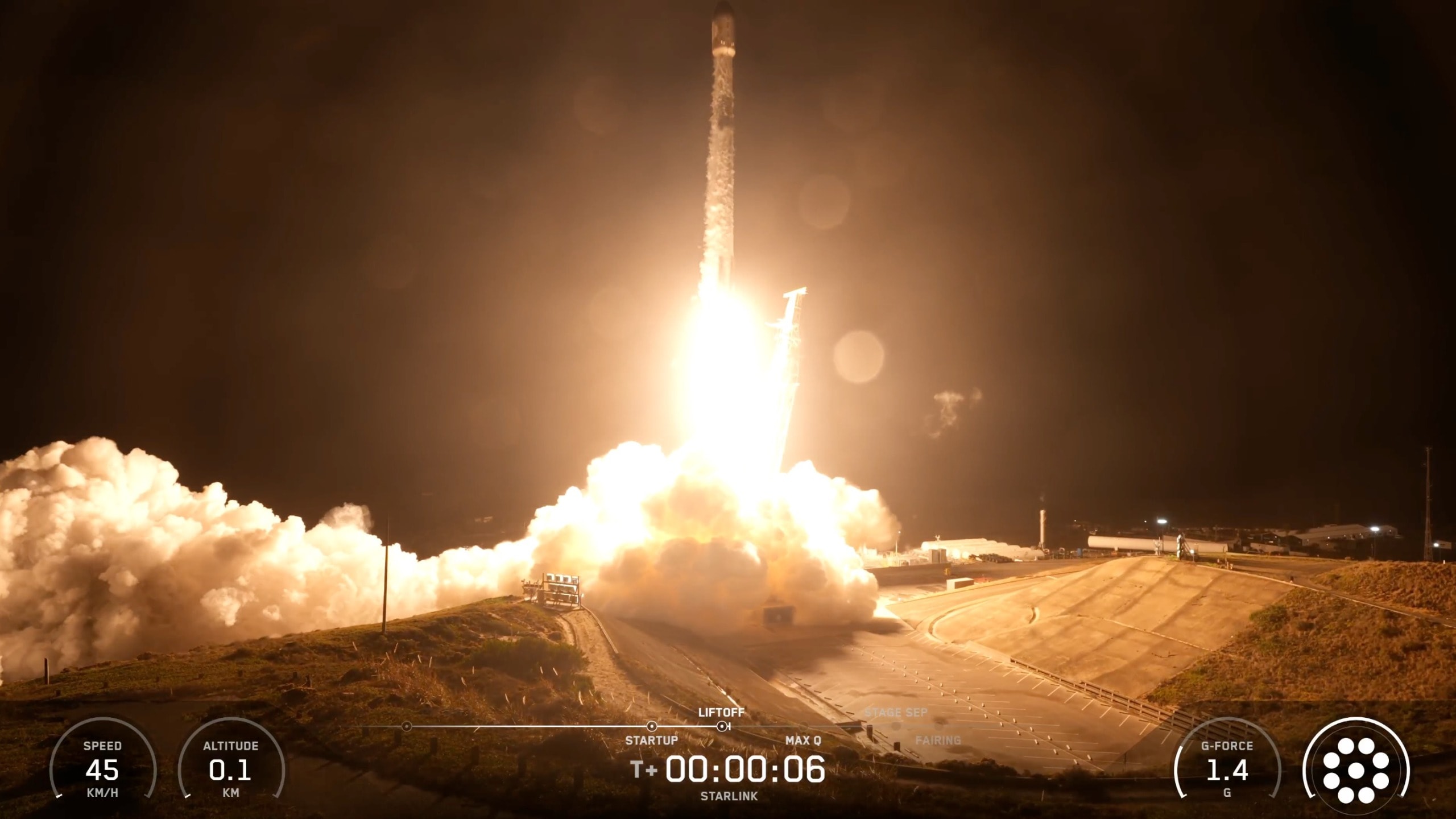
SpaceX marked Halloween 2026 with a space mission. In the early hours of 31 October, a Falcon 9 rocket lifted off from Vandenberg Space Force Base in California. The mission aimed to deploy 27 new Starlink internet satellites into low Earth orbit, continuing the expansion of the company's global network.
Approximately 62 minutes after launch, the rocket's upper stage successfully placed the satellites into their planned orbit. This deployment pushes the number of devices in the Starlink megaconstellation past 11,000, cementing its status as the largest satellite network in history.
Reusable Rocket Technology
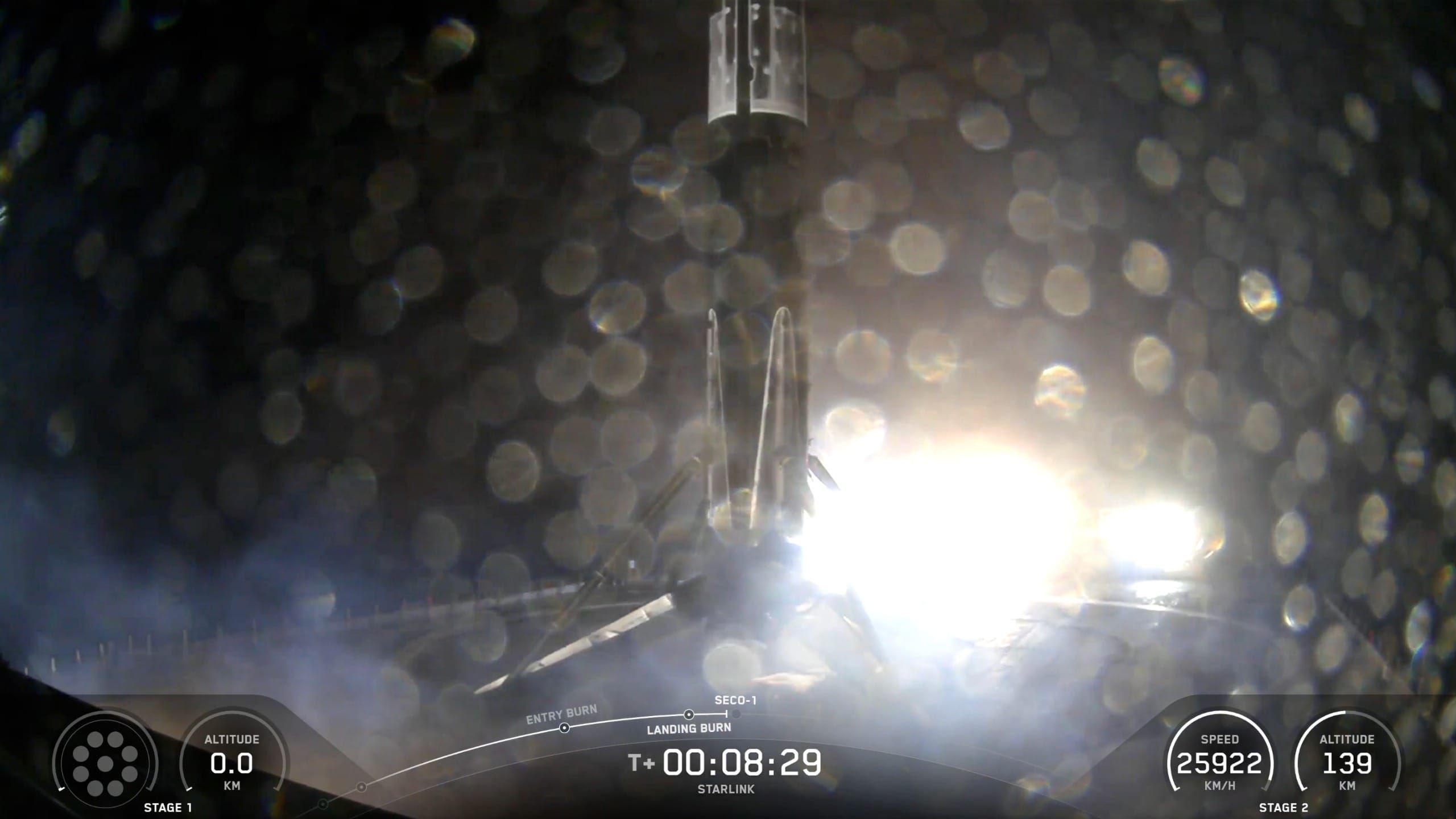
This mission was notable for the rocket’s first stage, specifically the B1093 booster, which was completing its 18th flight. Eight and a half minutes after liftoff, the first stage landed on the autonomous SpaceX spaceport drone ship, "Of Course I Still Love You," stationed in the Pacific Ocean. While 18 flights is an impressive figure, it remains far from the record; in August of this year, a booster successfully completed 37 flights to space and back.
Statistics and Future Plans
This year has been exceptionally busy for SpaceX. As of 31 October, 118 Falcon 9 missions have been conducted, with over 70% dedicated to strengthening Starlink infrastructure. Additionally, the company has utilized its heavy-lift Falcon Heavy and Starship rockets three times each this year.
Although the Falcon Heavy is now fully operational, the Starship remains in its testing phase. SpaceX engineers are actively preparing for the next Starship launch, which is tentatively scheduled for November. These missions are critical not only for the development of Starlink but also for the further evolution of space technology.
For readers in Georgia, these developments are significant as the expansion of the Starlink network directly impacts internet accessibility worldwide, including in hard-to-reach regions. As more satellites enter orbit, global connectivity becomes more stable and faster, serving as a primary driver of technological progress.