SpaceX is Developing a New Supercomputer for Space Data Centers
Project Kessel utilizes an 84-layer PCB architecture to enable high-performance computing in orbit.
An Innovative Approach to Data Processing
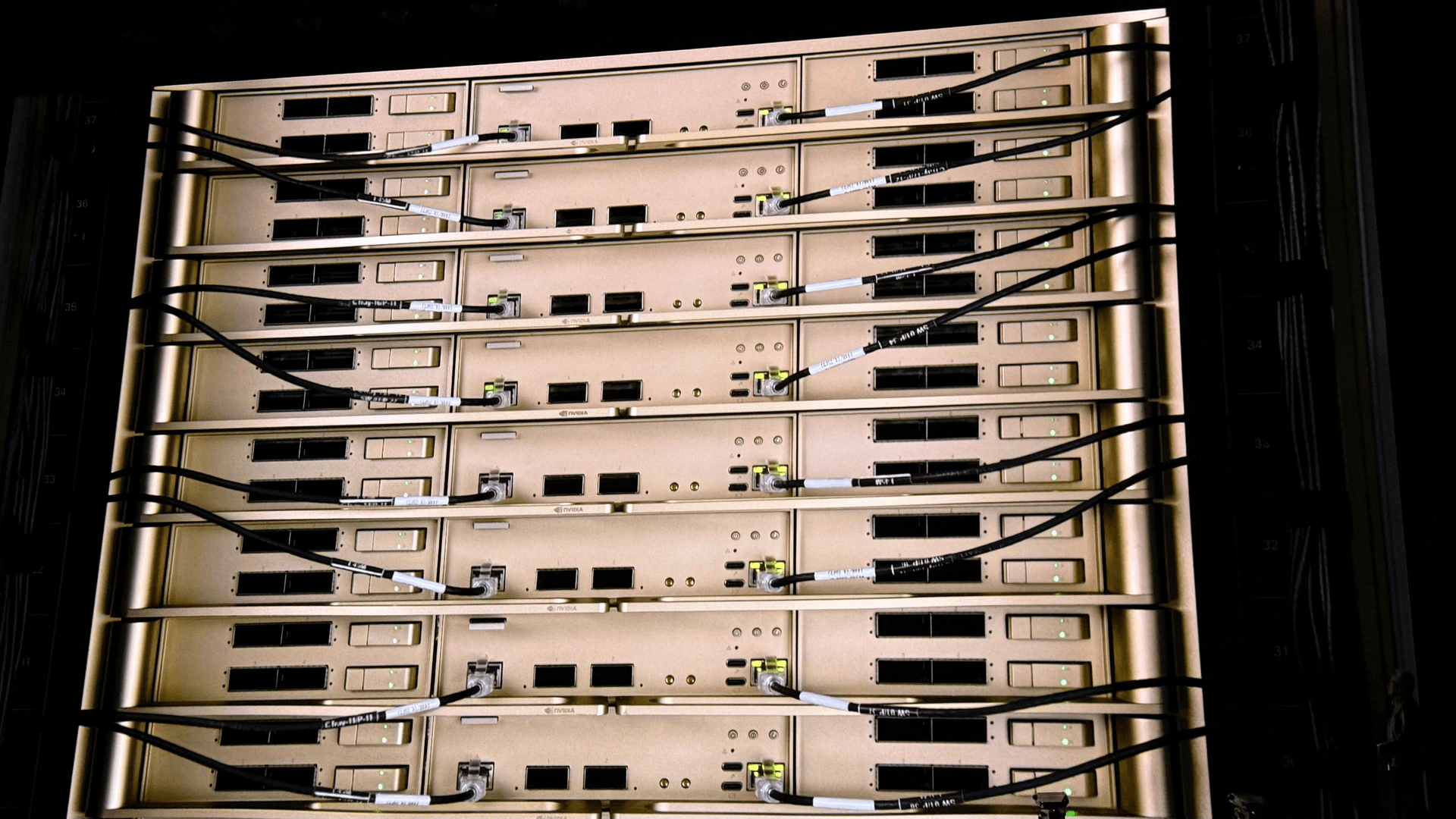
SpaceX and the artificial intelligence company xAI are collaborating on a revolutionary project that could fundamentally change the standards of data center operations. Known as "Kessel," the project is a modified version of Nvidia's Vera Rubin NVL72 system. The primary purpose of this system is not only to strengthen server capabilities on Earth but also to establish data centers in orbit.
The Kessel architecture incorporates 36 Vera-type CPUs and 72 Rubin GPUs. However, the key difference from standard Nvidia systems lies in its internal construction. Instead of traditional cabling, SpaceX utilizes a massive, 84-layer printed circuit board (PCB) to connect the computer components.
Technological Challenges and Advantages
Manufacturing an 84-layer board is an incredibly complex engineering task. For comparison, modern high-end server motherboards typically utilize between 15 and 20 layers. Creating a component of such complexity requires high-precision manufacturing, as any defect in the internal layers could cause the entire system to fail.
Despite the difficulty, this design offers a distinct advantage: it reduces reliance on cables and allows the system to be more compact and durable. This is particularly important for space missions, where space efficiency and vibration resistance are critical factors. Additionally, the M10-grade copper laminates used in the project ensure minimal energy loss during data transmission.
Supply Chain Independence
The Kessel project represents a strategic move for SpaceX, allowing the company to maintain greater control over its technical equipment. Rather than purchasing fully assembled systems from Nvidia, SpaceX is buying individual chips, processors, and network components directly. The company sources the remaining parts independently from third-party suppliers.
This approach is common practice for hyperscalers, though in this instance, it serves broader goals. SpaceX aims to tailor its infrastructure to specific environmental conditions, whether for terrestrial data centers or orbital satellite systems.
Why Does This Matter?
In the future, the implementation of such technologies will enable data processing in space at speeds previously only available on Earth. For users and the technology sector, this means that global internet and data exchange systems will become faster and more secure, as innovations developed by SpaceX will directly impact the efficiency of Starlink and other space projects.