Space Junk: How to Make Earth’s Orbit a Safer Environment
Challenges of the Space Ecosystem
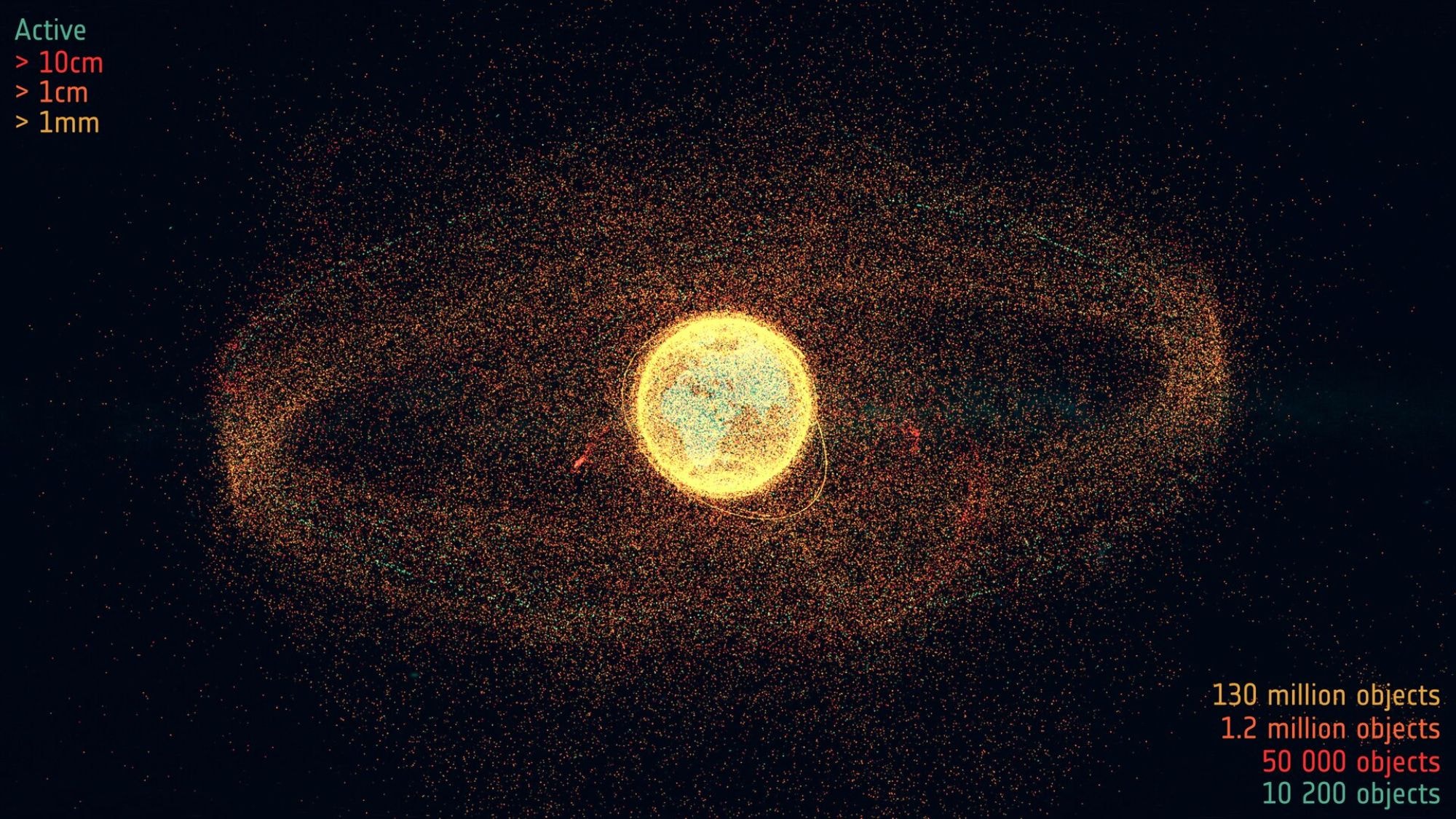
The commercialisation of space has entered a new phase. Today, there are approximately 16,000 active satellites in Earth's orbit. However, according to data from the European Space Agency (ESA), this figure is expected to grow to 60,000 by 2035. As space is now an integral part of modern digital infrastructure, maintaining its security is critical. This process, however, is hampered by more than 1.2 million fragments of space debris larger than 1 centimetre. Each of these has the potential to damage satellites and trigger a chain reaction.
Sustainability and New Technologies
Space was once the sole prerogative of states, but cheaper and improved technologies have led to increased activity from the private sector. Thousands of satellites have been placed in Low Earth Orbit (LEO), and we expect to see the emergence of space data centres in the coming years. Against the backdrop of this large-scale growth, adhering to sustainability principles is inevitable.
Ensuring safety requires a complex approach. Primarily, it is necessary to minimise the creation of new debris, which involves changing satellite designs and reducing their operational lifespan in orbit. While 25 years was previously considered the standard, there is now talk of a five-year limit. It is also essential to strengthen Space Situational Awareness (SSA) and Space Traffic Coordination (STC) systems, which allow for the prevention of collisions.
International Efforts and the Future
Global agencies are already working actively in this direction. The ESA has announced a "Zero Debris" strategy, which aims to clean the orbital environment of debris entirely by 2030. Meanwhile, NASA is developing its own sustainability strategy, and a bill is being considered in the US that calls for active space debris removal and the implementation of unified standards. In parallel, the International Organization for Standardization (ISO) is working on STC protocols to regulate data exchange and coordination at a global level.
Debris management technologies include capturing waste, destroying it with laser systems, and even recycling. Nevertheless, success depends not only on technology but also on international cooperation. The next decade will be decisive in ensuring that space remains accessible and safe for future generations.