Smartphone Portrait Photography: iPhone, Pixel, or Samsung?
We put the latest flagships to the test to see which delivers the best portrait quality.
The Camera Showdown: What Makes a Perfect Portrait?
Portrait photography is a primary benchmark for smartphone camera performance. A great portrait is about more than just focusing and hitting a button. It is a process where technology must capture natural skin tones, highlight facial features, and create a background blur (bokeh) that visually separates the subject. While every manufacturer strives for this perfection, their approaches differ radically.
A Contest of Three Leaders
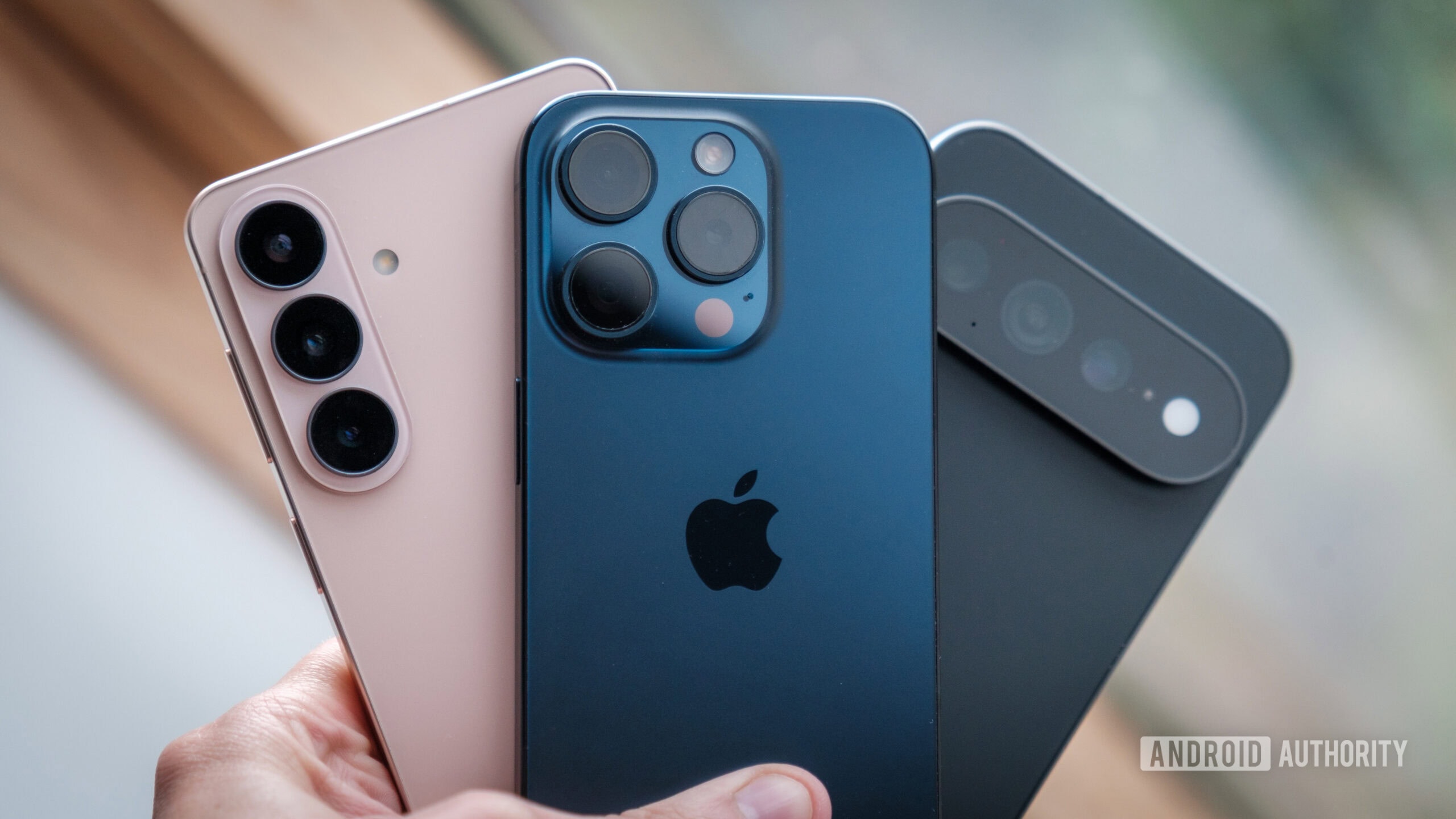
Our testing included the current market flagships: the latest iPhone, the Google Pixel 11 Pro XL, and the Samsung Galaxy S26 Plus. Each device employs a unique strategy. Apple traditionally focuses on realistic colour reproduction and a classic aesthetic. Google relies on AI-driven algorithms that attempt to maximise lighting and detail. Samsung, meanwhile, emphasises vibrant colours and “social media-ready” images, where details are often more sharply defined.
Technological Differences
The primary distinction between these smartphones lies in their use of telephoto lenses and image processing. The Pixel 11 Pro XL utilises the latest advancements in computational photography, allowing it to maintain natural skin texture even in challenging lighting. The Galaxy S26 Plus offers creative effects that allow users to adjust light sources or background depth even after the photo has been taken. With the iPhone, the system is more stable, focusing on ensuring the user achieves studio-quality results with minimal effort.
What Matters to Users?
When choosing a smartphone, users often look beyond technical specifications to how easily a photo can be shared on social media. If naturalism is your priority, Google’s algorithms may align more closely with your taste. If you prefer ready-made, processed, and vibrant photos, Samsung’s approach will be more effective. For those who want a stable and reliable result every time, the iPhone remains the most balanced choice.
Ultimately, there is no single “best” camera, as each speaks a different visual language. The choice depends on the type of portraits you prefer—natural, classic, or artificially enhanced.